The Tibetan Book Of Living And Dying - Sogyal Rinpoche
-
The Tibetan Book Of Living And Dying (revised and updated edition)
i'd love to share this great teachings from Sogyal Rinpoche with everyone. i'll slowly gradually open more and more pages of the teaching contents for you as i go along.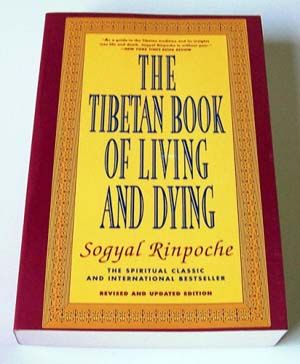
-
I read the book in 1994 before. Its a good read.
-
reviews:
"Sogyal Rinpoche.... has delivered the Tibetan equivalent of The Divine Comedy. one could imagine that this is what Dante might have written had he been a Buddhist metaphysician rather than a Christian poet."
- New York Times Book Review
"Rinpoche's teachings have much to offer.... his down-to-earth tone, peppered with songs and poetry from Buddhist sages, takes away much of the intense fear of death and makes it seem like an old friend."
- Los Angeles Times
"a magnificent achievement. in its power to touch the heart, to awaken consciousness, it is an inestimable gift."
- San Francisco Chronicle Book Review
"i have encountered no book on the interplay of life and death that is more comprehensive, practical and wise. the perspective is forthrightly and profoundly Tibetan, but it is expounded so clearly that the reader has no trouble discerning on every page its universal import."
- Huston Smith, author of The World's Religions
"a clear-eyed and contemporary exploration of the profound insight of The Tibetan Book of the Dead."
- Stephen Levine, author of Turning Toward the Mystery
"this book is an extraordinary blessings: heartfelt, wise, practical, luminous - filled with inspiring stories, skillful teachings and the great compassionate heart of the Buddha."
- Jack Kornfield, author of After the Ecstasy, the Laundry -
Buddhist meditation master and international teacher Sogyal Rinpoche brings together the ancient wisdom of Tibet with modern research on death and dying and the nature of the universe. with unprecedented scope, The Tibetan Book of Living and Dying clarifies the majestic vision of life and death that underlies the classic sacred text The Tibetan Book of the Dead.
Sogyal Rinpoche presents simple yet powerful practices from the heart of Tibetan tradition that anyone, whatever their religion or background, can do to transform their lives, prepare for death and help the dying.
The Tibetan Book of Living and Dying provides a lucid and inspiring introduction to the practice of meditation, to the nature of mind, to karma and rebirth, to compassionate love and care for the dying and to the trials and rewards of the spiritual path.
"what is it i hope for from this book? to inspire a quiet revolution in the whole way we look at health and care for the dying, and the whole way we look at life and care for the living." -
Sogyal Rinpoche - "i would like to dedicate this book to Jamyang Khyentse Chokyi Lodro, Dudjom Rinpoche, Dilgo Khyentse Rinpoche, Nyoshul Khen Rinpoche, Khyentse Sangyum Khando Tsering Chondron and all my beloved masters who have been the inspiration of my life.
may this book be a guide to liberation, read by the living and to the dying and for the dead.
may it help all who read it and spur them on their journey to enlighenment! " -
Contents
Foreword, by His Holiness the Dalai Lama
Introduction to the Revised Edition
Preface
PART ONE: LIVING
1. in the mirror of death
2. impermanence
3. reflection and change
4. the nature of mind
5. bringing the mind home
6. evolution, karma and rebirth
7. bardos and other realities
8. this life: the natural bardo
9. the spiritual path
10. the innermost essence
PART TWO: DYING
11. heart advice on helping the dying
12. compassion: the wish fulfilling jewel
13. spiritual help for the dying
14. the practices for dying
15. the process of dying
PART THREE: DEATH AND REBIRTH
16. the ground
17. intrinsic radiance
18. the bardo of becoming
19. helping after death
20. the near-death experience: a staircase to heaven?
PART FOUR: CONCLUSION
21. the universal process
22. servants of peace
appendix 1: my teachers
appendix 2: questions about death
appendix 3: two stories
appendix 4: two mantras
notes
selected bibliography
acknowldegements
index -
Originally posted by marcteng:I read the book in 1994 before. Its a good read.
 must be an interesting read.... could sense you enjoyed the book.