the 4 zen school of the World
-
Chan ,known as Dhyana in Sanskrit was started as Buddha Sakyamuni held a flower in the Assembly without saying a single word .Sariputra immediately understood Buddha intention and smile .A smile that brought the Indian Lineage all the Way to Chin dan (China ) with Emperor Liang who Welcome Holy Monk Bodhidharma who only brought the Lankavatara Scrolls with him.
As my signature suggest , not to rely on words , Pointing straight to the mind
Today , the 4 school of Zen as we now see offer rich insight to understanding Buddhism
Chinese Chan school based on Illumination of the mind and Insight which was based on the Lingji [Rinzai] and Cao dong [Soto ] school ,and a 3rd school is based on prostration [ practise zen]
Japanese Zen seeks the same as Chinese Chan school but emphasis on the satori experience as a wholeness structure
Korean Zen retains much of Tang Dynasty Chinese Chan with 2 main group
Practise Zen [Kwan um Zen ] and Meditative Zen [similar to China and Japan, but not much on KOan]
the Vietnam Zen is a newbie on the scene ,after the Vietnam War , with the deep reflection on the Vietnam War ,leads people to fight their own
"mental enemies" rather than physical enemies
Vietnam Zen is very much alive under the tutelage of Ven Thich Nhat Hanh of PLum Village France
Any inputs on this thread and question is welcomed -
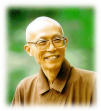
Chinese chan school Master Dharma Drum Ven Sheng Yen -

Thich Nhat Hanh ,vietnamese Monk in Vietnam Chan -

Korean Zen Master Seung Sahn, Korean Zen,offers a rich heritage since the Founder Won Hyo in the Hermitage tradition [both meditative and Practise ] -

Japanese Zen ...focus on the Rinzai and Soto School
Zen master Suzuki shown here