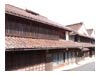
At the Fukiya Furusato Village, the townscape of Fukiya spreads out before you. Homes with copper-colored 'Sekishu' roof tiles and Bengara-colored (reddish pigment made from iron oxide) walls stand together in an orderly fashion. From the end of the Edo Period to the beginning of the Meiji Period in the 19th century, Fukiya was occupied by a number of wealthy residents. Beautiful mansions built by wealthy merchants can be found everywhere in Japan, but Fukiya is unique. Instead of building homes that competed with each other for luxuriousness, the owners of the respective houses worked together to build a town based on a unified concept. They then put their plan into action, hiring specialists in the construction of shrines and temples in Sekishu (presently Shimane Prefecture). This kind of idea was remarkably advanced back in those days. In 1977, the Agency for Cultural Affairs designated 'Fukiya Furusato Mura' a Japanese preservation district of important traditional structures.
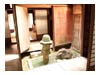

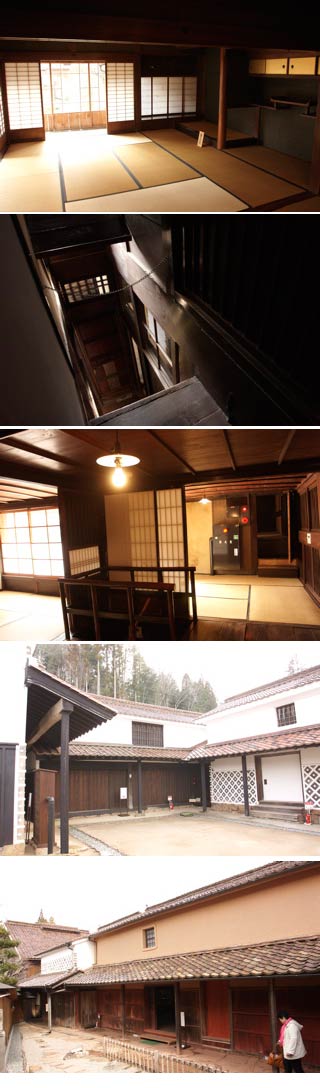 Katayama House was used until 10th generation and donated to the city of Takahashi. It was not built in single construction. It was extended three times. Katayama family spent their fortune which made from Bengara Production for this house.


 There are a lot of must-see sights in Okayama, including cherry blossoms in spring time, sunflowers in summer time, and giant trees, hundreds of years old.


Delicacies of Okayama
Being blessed with harvests from the sea and mountains, Okayama has had a variety of local cuisine since early times.


- The mild climate, sunny Okayama "food" to journey
- Please enjoy the fresh fish, delicious rice and sake, as well as fruits of Okayama, famous throughout Japan.
- Rice grown in an optimum climate is extremely delicious.
- Okayama’s famous rice, Asahi-mai, is preferred by many sushi restaurants as well as by fancy, traditional Japanese restaurants for their dishes. Okayama is also the production center of good sake brewed from rice.
- Cultivation technique especially developed to grow delicious fruit.
- Fruit cultivation technique has been developed over a hundred year period. Now Okayama is called the “Fruit Kingdom.” We hope you enjoy the delicious fruit produced in Okayama.
- A variety of seafood from the Seto Inland Sea, changes seasonally.
- Affluent and delicious seafood in Okayama, such as mackerel, sardinella zunasi, black rockfish, and oysters.
Enjoy the intriguing “delicacies” of Okayama.

- Fruit of Okayama Prefecture like jewel. As for Okayama Prefecture, the fruit kingdom is famous.
- Okayama has many sunny days throughout the year. In combination with its mild climate, this makes it the ideal place for growing fruit. Many different kinds of fruits, including white peaches and grapes, are grown here. The fruit of Okayama is a popular brand among the people of Japan.
 In season from the middle of May to November
- Muscat of Alexandria
- Due to its wonderful fragrance and elegant taste, it deserves to be called “Queen of Fruits”.
 From middle of July to middle of August
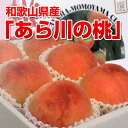
- White peach
- Local specialty of Okayama. Most popular fruit.
 In season from the middle of May to November
- New pione grapes
- Large, sweet and seedless; Okayama is the largest producer of grapes in Japan.


- Okayama is surrounded by both sea and mountains, and has a variety of traditional cuisine which draws ingredients from both locations.
- The cuisine has been loved by common people since long ago. Recently such types of cuisine are called “B-grade gourmet dishes”. They are tasty, and not too expensive. Such B-grade gourmet dishes include “oyster okonomiyaki pancake” and “horumon udon noodles” (made from animal entrails).

- Okayama Barazushi
- We recommend you try Barazushi, a famous local dish of Okayama. Made of rich, fresh sea food and vegetables on top of vinegared rice, this plate is served at Sushi restaurants in the southern part of Okayama Prefecture.

- Milk of Jersey cattle, dairy products
- The number of Jersey cattle in Okayama is the greatest in all of Japan. Sweet rich Jersey milk is utilized in the production of processed foods such as yogurts and cheese.
 In season from May to July
- Mamakari (Japanese Sardinella-a type of ray-finned fish)
- This small and tasty fish is a specialty of Okayama Prefecture. Mamakari literally means to “borrow rice from neighbors.” However, in olden days people used to say that they needed to ask their neighbors for rice because the Mamakari dish was so good that they couldn’t make enough of it with the rice they had alone, and that they needed get rice from neighbors to satisfy their appetite.


- Popular local cuisine
- Recently, tasty and not too expensive casual dishes so-called “B-grade gourmet dishes,” including “oyster okonomiyaki pancake” and “horumon udon noodles” (horumon is made from animal entrails), are popular among common people.

- Kakioko pancake
- Big oysters are added to the “Hinase-yaki pancake” popular in the Hinase area. This is a casual but sumptuous dish loaded with fruits of the sea.

- Hiruzen Yakisoba (sautéed noodle)
- In Hiruzen, this type of noodle, sautéed with chicken and sweet soy sauce, is popular. It is said that the people in this area use this type of hand-made sweet sauce because it was difficult for them to purchase sauce.

- Tsuyama Horumon Udon Noodle
- These are noodles sautéed with fresh “horumon” (made from animal entrails) and a unique sauce. It has a rich flavor.


- A sunny land, Okayama, is blessed with abundant nature, and is a good place for sake brewing.
- “Good rice for sake,” “abundant water,” and “fresh fruit”; Okayama Prefecture is one of the most suitable places for sake and wine brewing. We strongly recommend you to try the sake made in Okayama.

- Sake
- We have a variety of distinctive sake.

- Beer
- Beer made with fresh-tasting water and quality raw materials is popular among people throughout Japan.

- Shochu (distilled spirit)
- Rice and proso millet harvested in the local area are used, creating a flavorful and mellow taste.

- Wine
- High-quality-grape-producing Okayama is also active in the wine production.

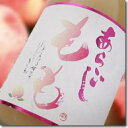
- Liqueur
- There are a lineup of good liqueurs made from Okayama’s specialty products, such as from the white peaches and the pione grapes.


- The vegetables of each season offer a contrasting touch to cuisine.
- Vegetables grown in plentiful water in the mild climate of Okayama offer accent cuisine. Please try the fresh vegetables from Okayama District.

- Momotaro tomatoes
- The tomatoes have a good balance of both sweetness and tartness.

- Yellow chive
- The yellow chive is softer and sweeter than green chive, and is a high-end food item.

- Black soybeans
- Large black soybeans have a texture like that of sweet chestnuts when boiled. The volume of their production is number one in Japan.

Perfect souvenirs!
 The food of Okayama is eye-catching and delicious, and thus it becomes a popular to give as a souvenir.


 Kurashiki is a good choice for travelers seeking to discover 'authentic' Japanese culture and history. A thriving commercial hub since feudal days when its port received important rice shipments, it continues to prosper partly for the nostalgic aura still present in the old streets and current cultural attractions. Rice granaries from the 17th century, with white walls and black tiles, contrast with the green willow lined canal running through the Kurashiki Bikan Historical District. With facilities such as the Ohara Museum of Art, Kurashiki has been a magnet for famous artists and other representatives of Japanese culture.


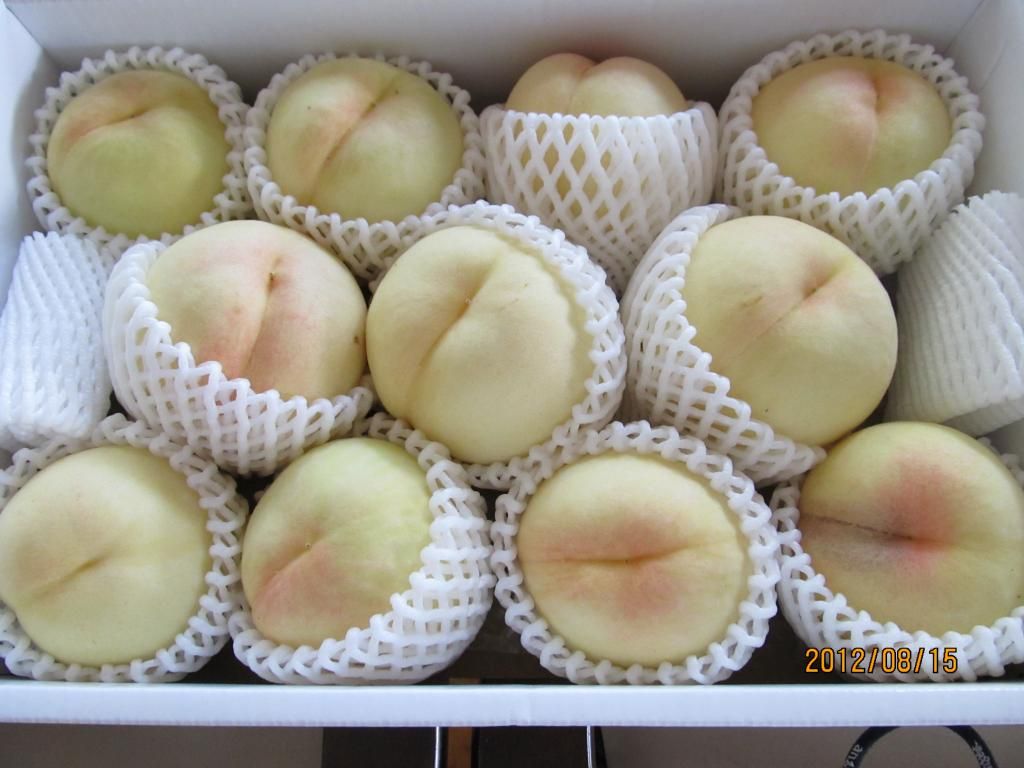
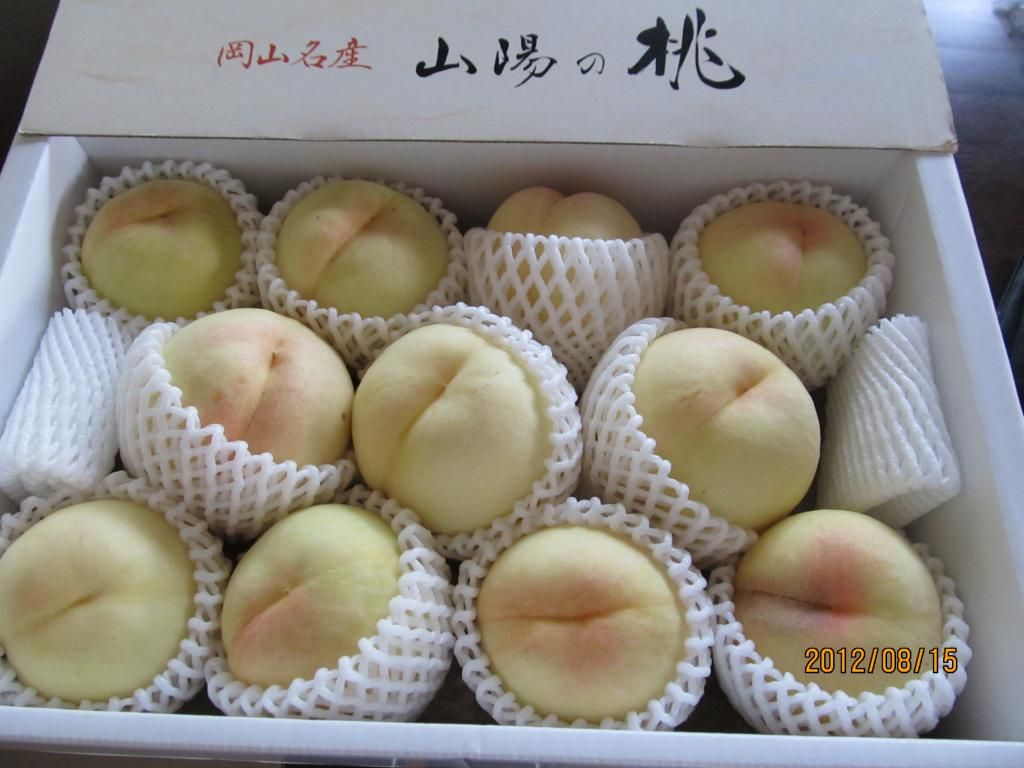
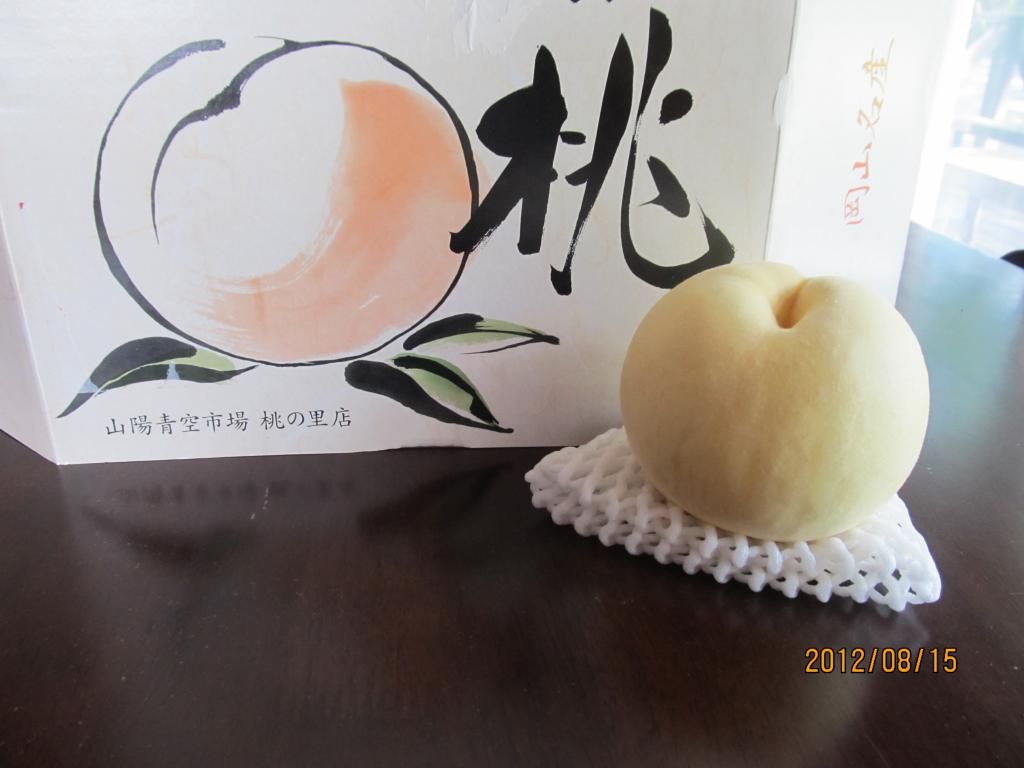
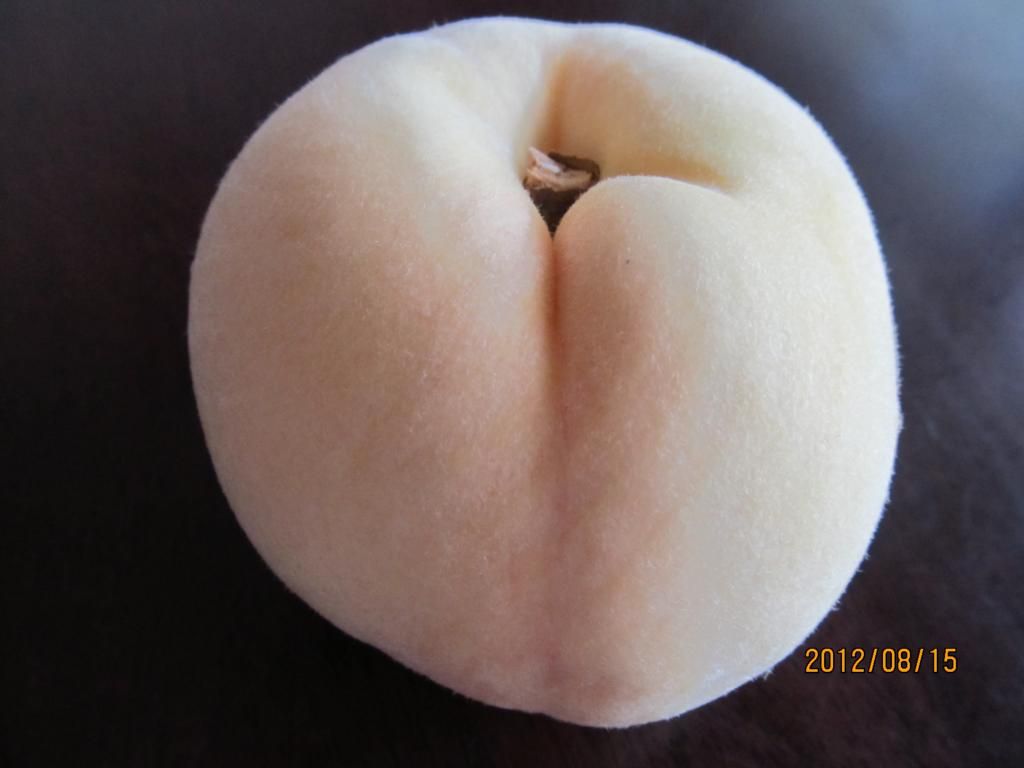
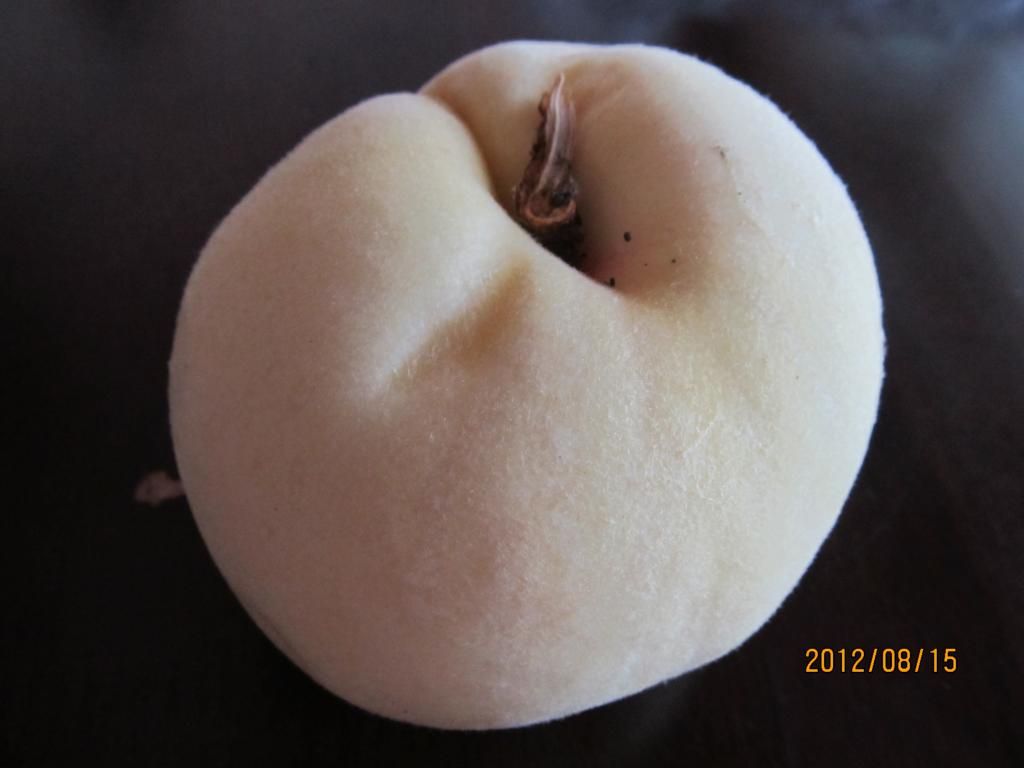
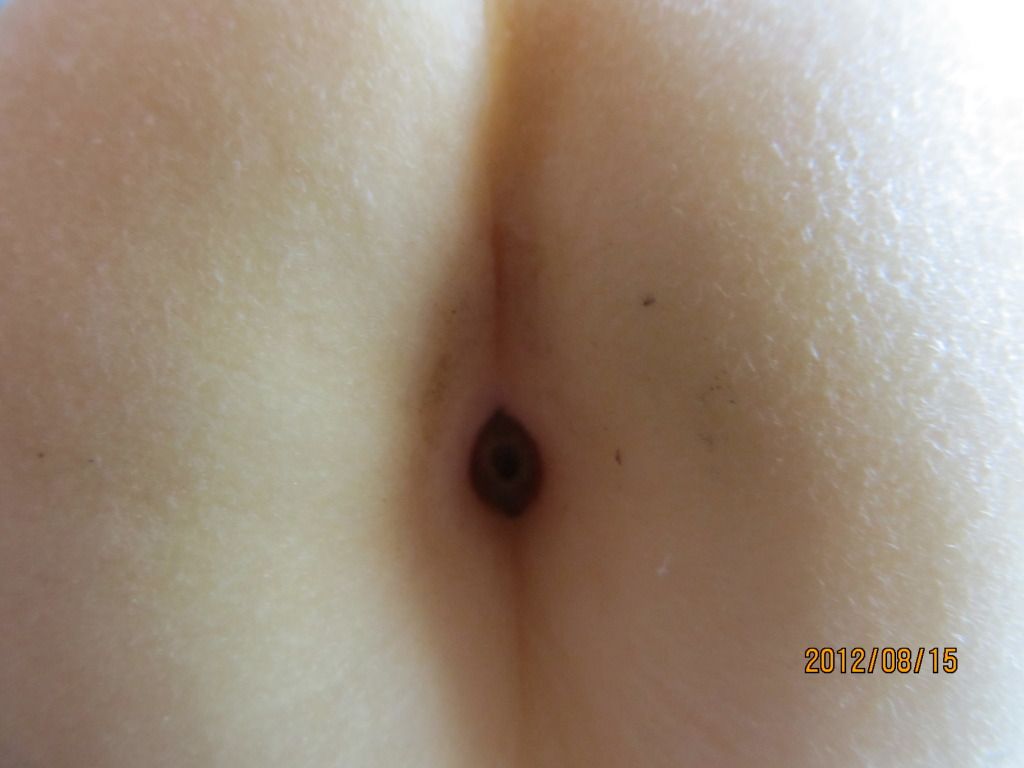
 The Shimizu white peach used in Kanjuku Torokeru Shimizu Hakuto-shu is the diamond of fruits. It is grown by farmers in Akaiwa with care and heart.
  All Muromachi Shuzo's staff carefully handle the white peaches. These intense two weeks are filled with hard work.
  Prepared white peaches rest in sake made from Omachi-mai rice for eight months.


![I have a favorable reception since a release start! Sales ranking first place acquisition product! 800 g - around 900 g of 1 Momotaro grape bunch ≪ postage ≫ Hokkaido 500 yen, Okinawa 800 yen [easy ギフ _ packing] [comfortable ギフ _ expands an address] [comfortable ギフ _ Messe] [excellent comfortable ギフ _ case]](http://thumbnail.image.rakuten.co.jp/@0_mall/eikouen/cabinet/mbudou/momobudou_800900g.jpg?_ex=128x128 "I have a favorable reception since a release start! Sales ranking first place acquisition product! 800 g - around 900 g of 1 Momotaro grape bunch ≪ postage ≫ Hokkaido 500 yen, Okinawa 800 yen [easy ギフ _ packing] [comfortable ギフ _ expands an address] [comfortable ギフ _ Messe] [excellent comfortable ギフ _ case]")
![It is recommended for the non-experience who wants to experience sweetness. [Momotaro grape] 1 around 900 g size bunch bunch ≪ postage ≫ Hokkaido 500 yen, Okinawa 800 yen [easy ギフ _ packing] [comfortable ギフ _ expands an address] [comfortable ギフ _ Messe] [excellent comfortable ギフ _ case]](http://thumbnail.image.rakuten.co.jp/@0_mall/eikouen/cabinet/mbudou/momobudou_900g.jpg?_ex=128x128 "It is recommended for the non-experience who wants to experience sweetness. [Momotaro grape] 1 around 900 g size bunch bunch ≪ postage ≫ Hokkaido 500 yen, Okinawa 800 yen [easy ギフ _ packing] [comfortable ギフ _ expands an address] [comfortable ギフ _ Messe] [excellent comfortable ギフ _ case]")
![≪ postage ≫ Hokkaido with 3-4 bunch bunches in around 2 kg of producer feelings decrease pesticide cultivation [full ripeness Momotaro grape] 500 yen, Okinawa 800 yen [easy ギフ _ packing] [comfortable ギフ _ expands an address] [comfortable ギフ _ Messe] [excellent comfortable ギフ _ case]](http://thumbnail.image.rakuten.co.jp/@0_mall/eikouen/cabinet/mbudou/mbdou3fusa.jpg?_ex=128x128 "≪ postage ≫ Hokkaido with 3-4 bunch bunches in around 2 kg of producer feelings decrease pesticide cultivation [full ripeness Momotaro grape] 500 yen, Okinawa 800 yen [easy ギフ _ packing] [comfortable ギフ _ expands an address] [comfortable ギフ _ Messe] [excellent comfortable ギフ _ case]")
![To the non-experience who wants to experience sweetness. It is for exchanges of presents and is recommended. [Momotaro grape] ≪ postage ≫ Hokkaido with 600-700 g of 2 bunches 500 yen, Okinawa 800 yen [easy ギフ _ packing] [comfortable ギフ _ expands an address] [comfortable ギフ _ Messe] [excellent comfortable ギフ _ case]](http://thumbnail.image.rakuten.co.jp/@0_mall/eikouen/cabinet/mbudou/momobudou_600-700x2.jpg?_ex=128x128 "To the non-experience who wants to experience sweetness. It is for exchanges of presents and is recommended. [Momotaro grape] ≪ postage ≫ Hokkaido with 600-700 g of 2 bunches 500 yen, Okinawa 800 yen [easy ギフ _ packing] [comfortable ギフ _ expands an address] [comfortable ギフ _ Messe] [excellent comfortable ギフ _ case]")
![[the highest peak of the melon] 1 ball jeweled article [easy ギフ _ packing] in the crown melon (cantaloupe) "white" from Shizuoka [comfortable ギフ _ expands an address] [comfortable ギフ _ Messe] [excellent comfortable ギフ _ case] [RCPsuper1206]](http://thumbnail.image.rakuten.co.jp/@0_mall/eikouen/cabinet/meron/img10071839924.jpg?_ex=128x128 "[the highest peak of the melon] 1 ball jeweled article [easy ギフ _ packing] in the crown melon (cantaloupe) \"white\" from Shizuoka [comfortable ギフ _ expands an address] [comfortable ギフ _ Messe] [excellent comfortable ギフ _ case] [RCPsuper1206]")
![≪1 ≫ melon (ares melon) jeweled article [easy ギフ _ packing] from Kumamoto or from Miyazaki [comfortable ギフ _ expands an address] [comfortable ギフ _ Messe] [excellent comfortable ギフ _ case] [RCPsuper1206]](http://thumbnail.image.rakuten.co.jp/@0_mall/eikouen/cabinet/meron/meron-b1.jpg?_ex=128x128 "≪1 ≫ melon (ares melon) jeweled article [easy ギフ _ packing] from Kumamoto or from Miyazaki [comfortable ギフ _ expands an address] [comfortable ギフ _ Messe] [excellent comfortable ギフ _ case] [RCPsuper1206]")
![≪ postage ≫ Hokkaido with three Atago pears 500 yen, Okinawa 800 yen [easy ギフ _ packing] [comfortable ギフ _ expands an address] [comfortable ギフ _ Messe] [excellent comfortable ギフ _ case]](http://thumbnail.image.rakuten.co.jp/@0_mall/eikouen/cabinet/nashi/atagon3.jpg?_ex=128x128 "≪ postage ≫ Hokkaido with three Atago pears 500 yen, Okinawa 800 yen [easy ギフ _ packing] [comfortable ギフ _ expands an address] [comfortable ギフ _ Messe] [excellent comfortable ギフ _ case]")
![≪2 ≫ melon (ares melon) jeweled article ≪ postage ≫ Hokkaido from Kumamoto or from Miyazaki 500 yen, Okinawa 800 yen [easy ギフ _ packing] [comfortable ギフ _ expands an address] [comfortable ギフ _ Messe] [excellent comfortable ギフ _ case] [RCPsuper1206]](http://thumbnail.image.rakuten.co.jp/@0_mall/eikouen/cabinet/meron/meron-b2.jpg?_ex=128x128 "≪2 ≫ melon (ares melon) jeweled article ≪ postage ≫ Hokkaido from Kumamoto or from Miyazaki 500 yen, Okinawa 800 yen [easy ギフ _ packing] [comfortable ギフ _ expands an address] [comfortable ギフ _ Messe] [excellent comfortable ギフ _ case] [RCPsuper1206]")
![≪ postage ≫ Hokkaido with two Atago pears 500 yen, Okinawa 800 yen [easy ギフ _ packing] [comfortable ギフ _ expands an address] [comfortable ギフ _ Messe] [excellent comfortable ギフ _ case]](http://thumbnail.image.rakuten.co.jp/@0_mall/eikouen/cabinet/nashi/atagon2.jpg?_ex=128x128 "≪ postage ≫ Hokkaido with two Atago pears 500 yen, Okinawa 800 yen [easy ギフ _ packing] [comfortable ギフ _ expands an address] [comfortable ギフ _ Messe] [excellent comfortable ギフ _ case]")