


Strawberry fruit is a perishable, I will eat before they fully damaged.




Takanashi new, new "No Milky Way" of the lagoon high varieties made ​​to fit over knowledge "no fall Imamura", it is also the origin of its name.
Very strong sweetness, taste the goodness of Takanashi's new features, and the texture was Sharishari flavor is fresh and elegant exquisite Odama.
And bite, mouthful spread plenty of flavor and sweetness its classy.
How to eat a delicious new Takanashi
You can also eat delicious immediately after the delivery, and further increases richness lay for a few days, you can more delicious.
If stored in the refrigerator or a cool place, I will have about two weeks.


It is said that the name "No Atago" is named after it was born at the foot of the "Mt" (current Tokyo). It is a red pear extraordinary magnitude the world's largest Okayama boasts features.
Well as visual impact, it is also exceptional good aroma, flavor. Please enjoy the lush texture, and shape up.
How to eat a delicious new Takanashi
You can also eat delicious immediately after the delivery, and further increases richness lay for a few days, you can more delicious.
If stored in the refrigerator or a cool place, I will have about three weeks.
How to choose a good pear
Please choose what you heavily heavily in his hand, there is a gloss in the pericarp. It is said from some height, better with low waist and there is a needle next to the also delicious.


Duck pear is native to China (Yari). is so called because it is similar to the figure shrugged his neck ducks.
From having a very attractive aroma, is a pear that is also referred to as "pear aroma" alias.
After harvest, ripened about a month, creating a unique aroma and taste sweet and sour.
Enjoy after enjoying a mellow flavor.


 Okayama, the 'land of sunshine', enjoys a temperate climate, gorgeous scenery, and plentiful harvests from both land and sea. Centrally located in Western Japan, Okayama Prefecture sits between the Seto Inland Sea and Chugoku Mountains. This gateway to a region rich in culture and history is blessed with plenty of museums, art galleries and beautifully preserved ancient sites.

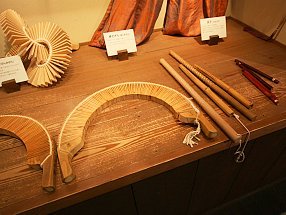
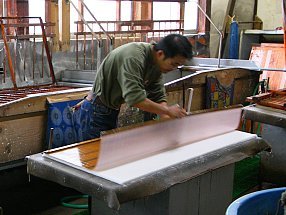
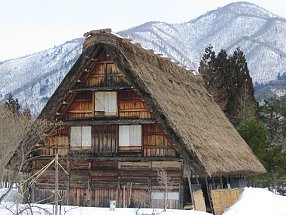
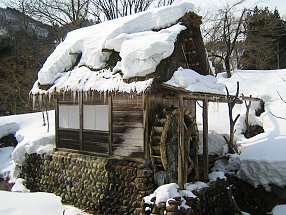
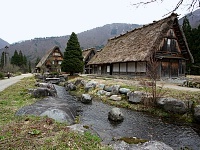
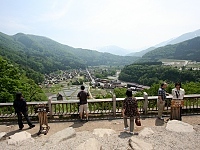
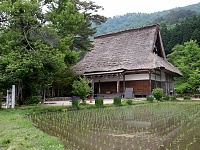
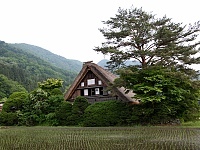
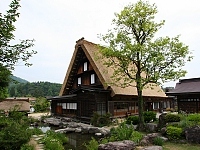
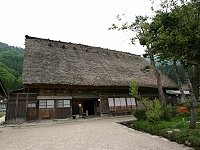
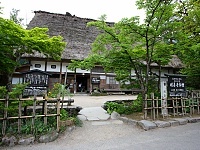
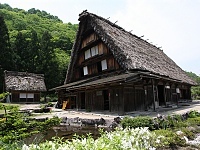
 The traditional farmhouses in Suganuma and Ainokura, like those in Gifu's 'Shirakawa-go', have stood for almost 400 years and were designated UNESCO World Heritage Sites in 1995. Constructed in an architectural style known as 'gassho-zukuri', the houses are characterized by a steeply slanted thatch roof reminiscent of two hands joined in prayer. In order to withstand the region's abundant snowfall, each home is large and sturdy - standing three or four stories tall with an exceptionally strong frame and thatching. Nestled in the picturesque Shogawa River Valley, there are 9 homes in Suganuma and about 20 in Ainokura. In Ainokura, the surrounding fields, forests and roads have also been designated a special retention zone to ensure the rural landscape is preserved for future generations. Several times a year the village is illuminated, creating a fairy-tale ambience. Visitors keen for a memorable experience can stay overnight in one of the 'gassho-zukuri' houses. Other noteworthy sites include the Gokayama Folklore Museum, Murakami and Iwase 'Gassho-zukuri' houses, as well as the 'Gokayama Washi-no-sato' where beautiful paper crafts are on display and available for purchase.
 The Tateyama-Kurobe Alpine Route, linking Toyama and Nagano Prefectures, is a premier scenic roadway offering spectacular views of the Tateyama Range. Along with Mt. Fuji and Mt. Hakusan, Mt. Tateyama is regarded as one of Japan's three most beloved mountains. During winter, the snow is so heavy that the route must be closed until spring. It re-opens in mid-April after snow plows blast through, creating 'Yuki-no Otani' (snow canyon), a 20 meter high snow corridor that lasts until the end of May. Between June 26 and October 15, visitors have the opportunity to see the drainage of Kurobe Dam, Japan's highest at 186 meters. The 3,000 meter high mountain range can be traveled via bus, cable cars and ropeway offering more sightseeing options. From snow capped peaks in winter to splendid summer flora, the views are beautiful in any season.



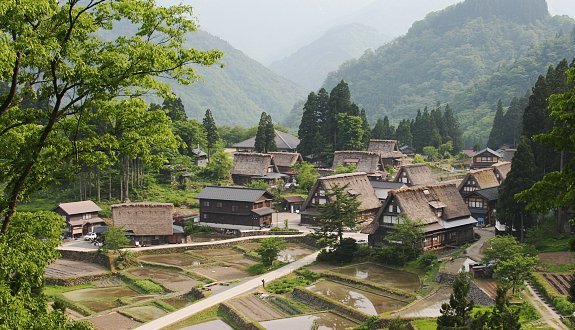
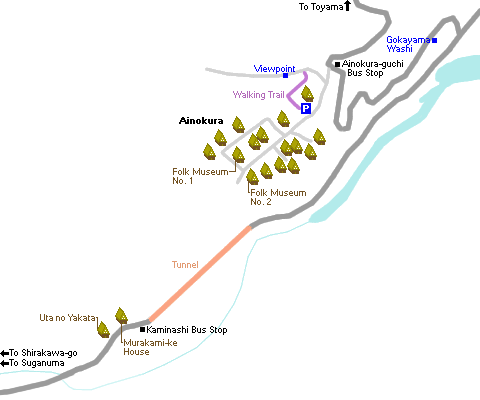
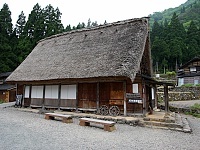
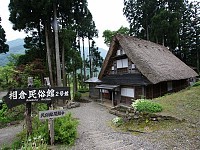
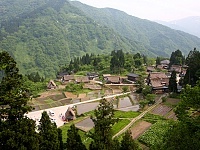
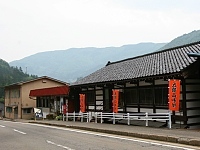
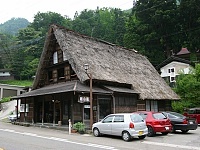
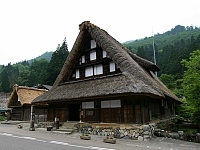

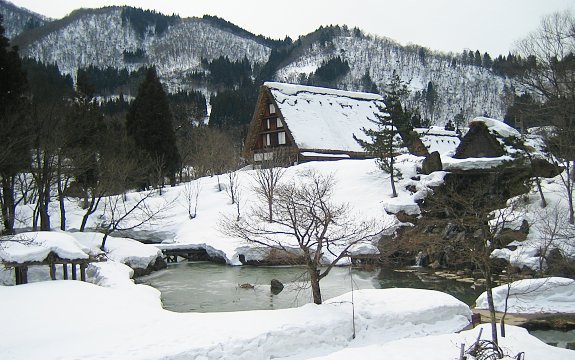

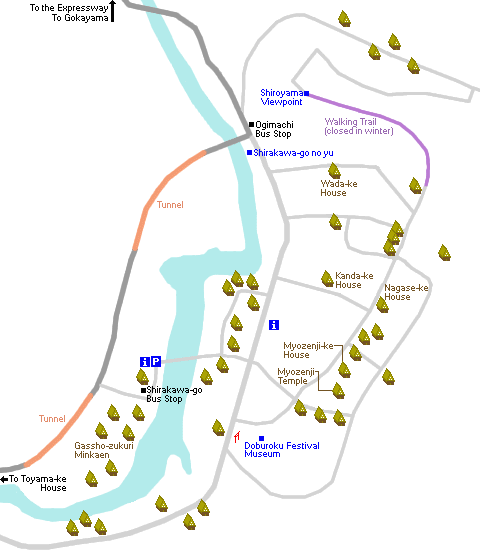
 Largest village in Shirakawa-go.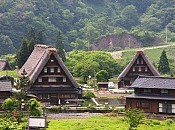
 Small village with farmhouses in Gokayama.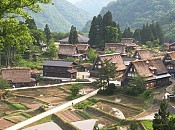
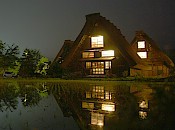
 A highly recommended experience.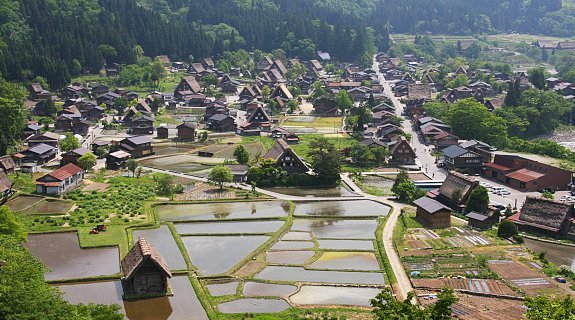


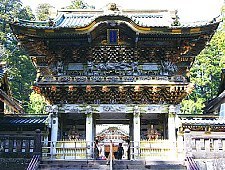


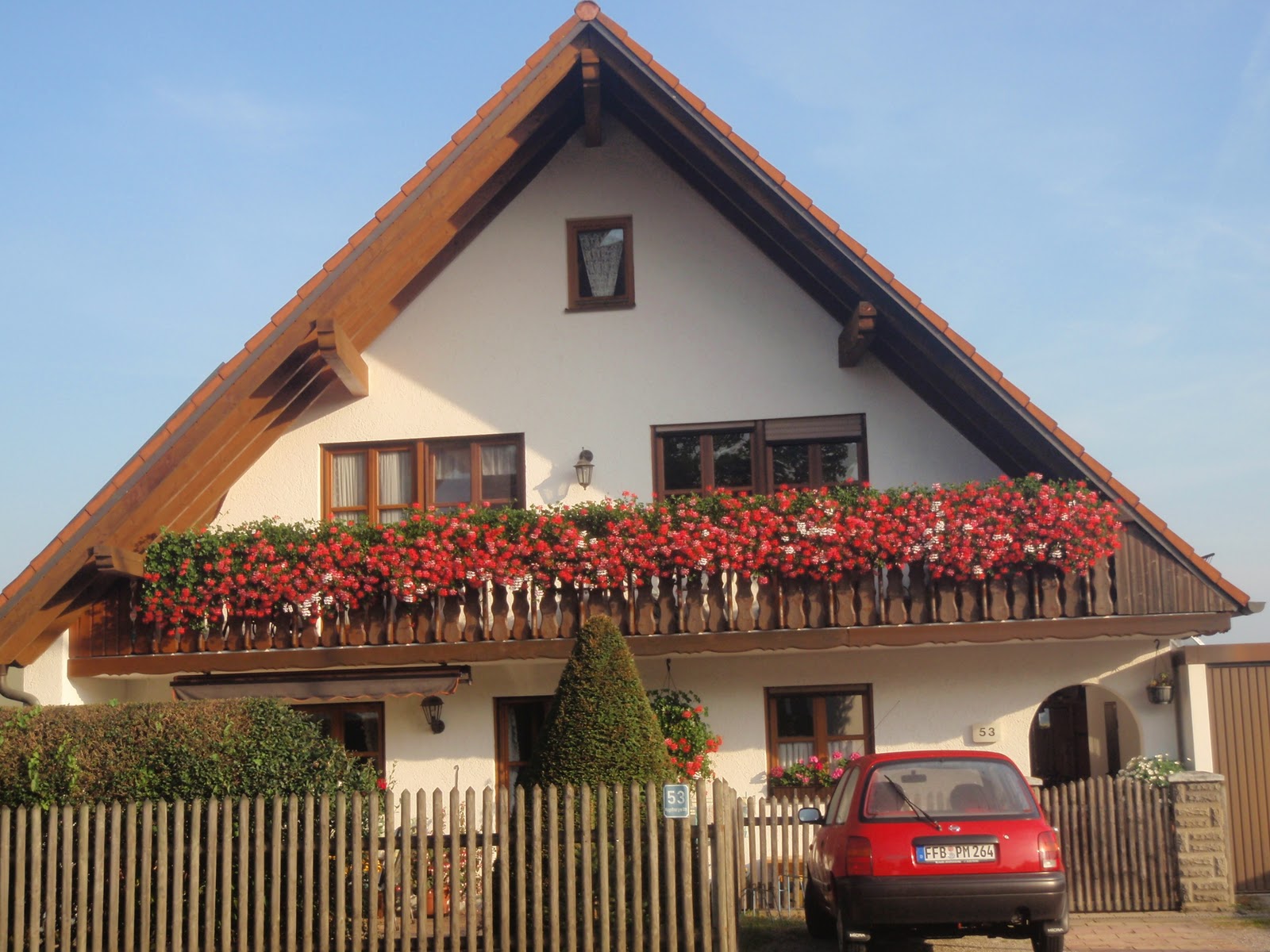
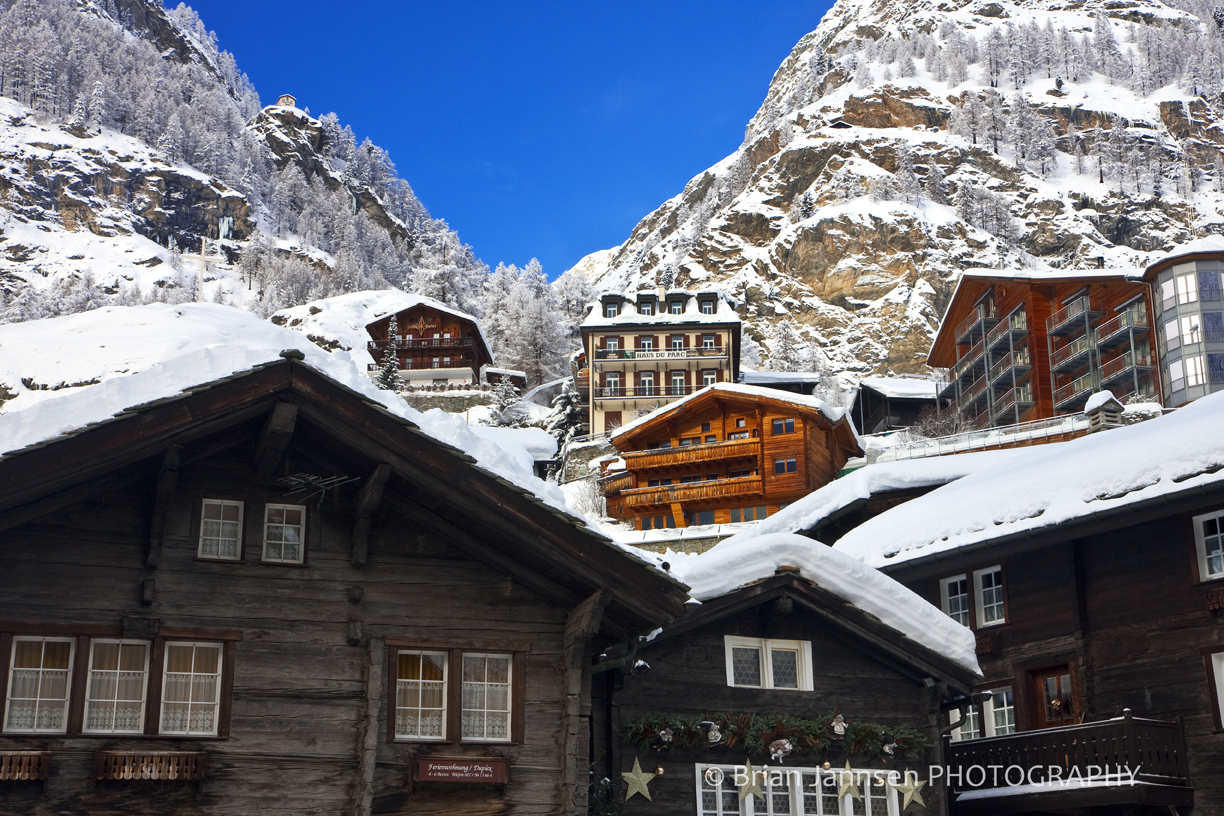 From Switzerland Alpine, are they not same, as like in Japan.