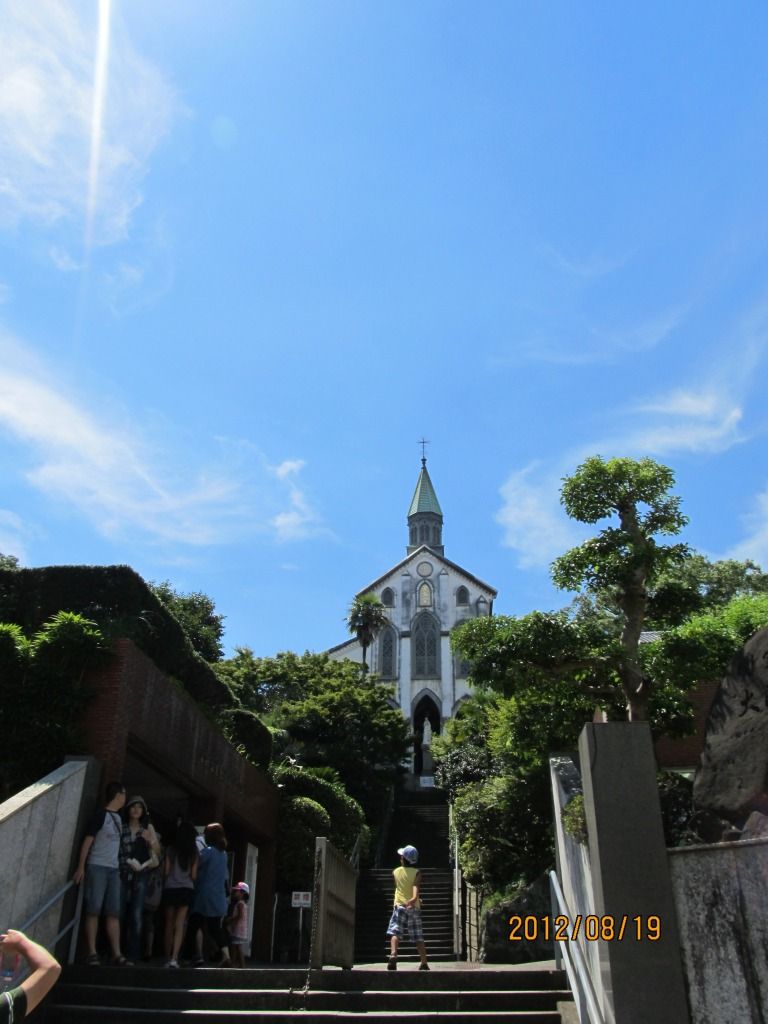
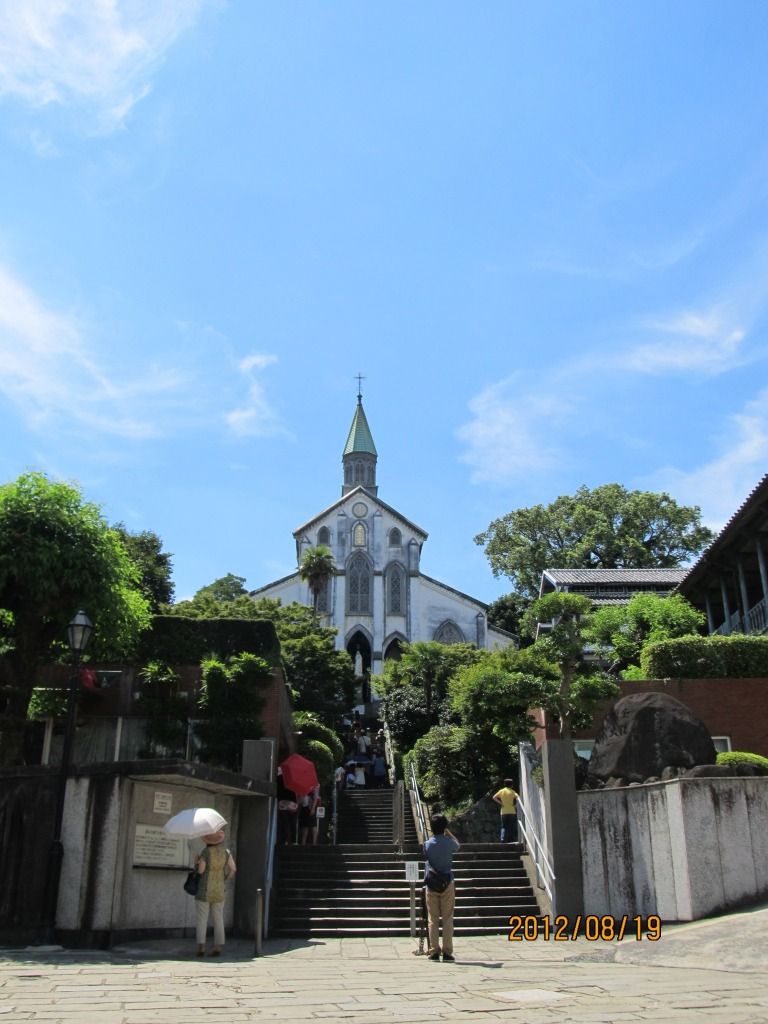
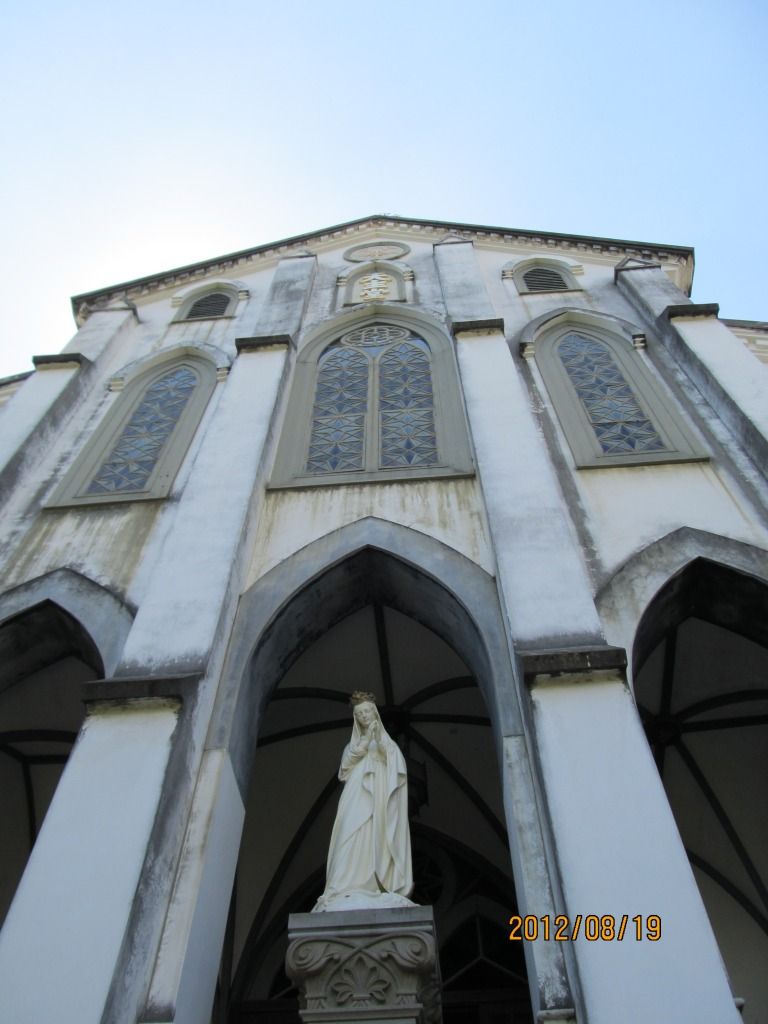
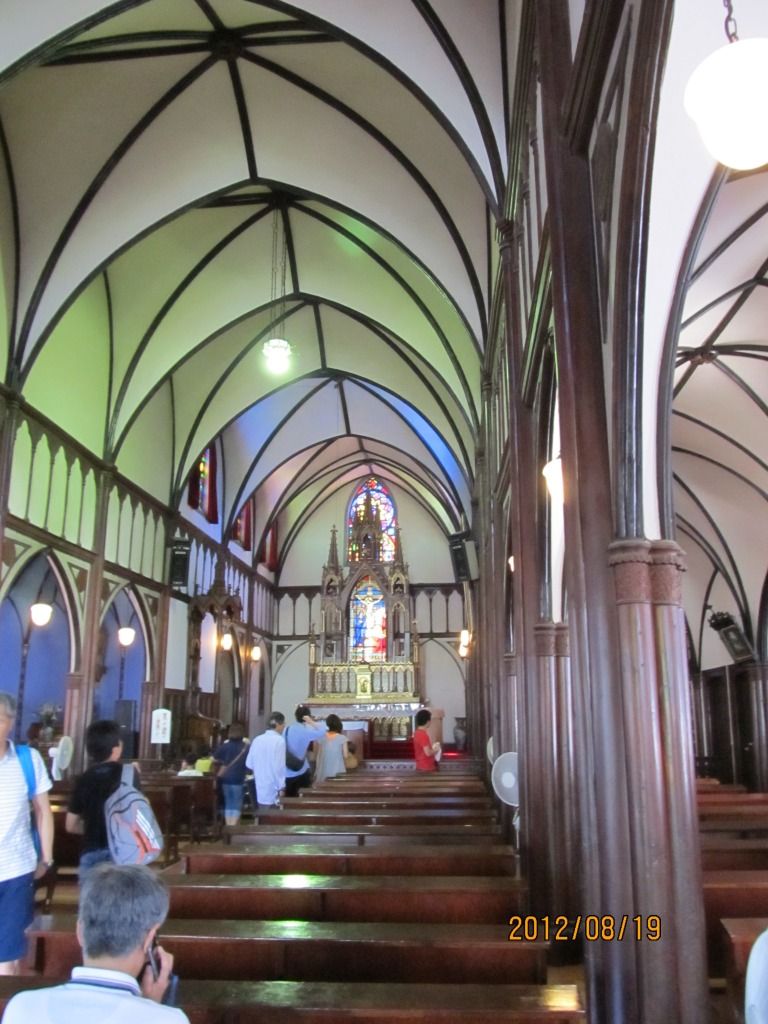
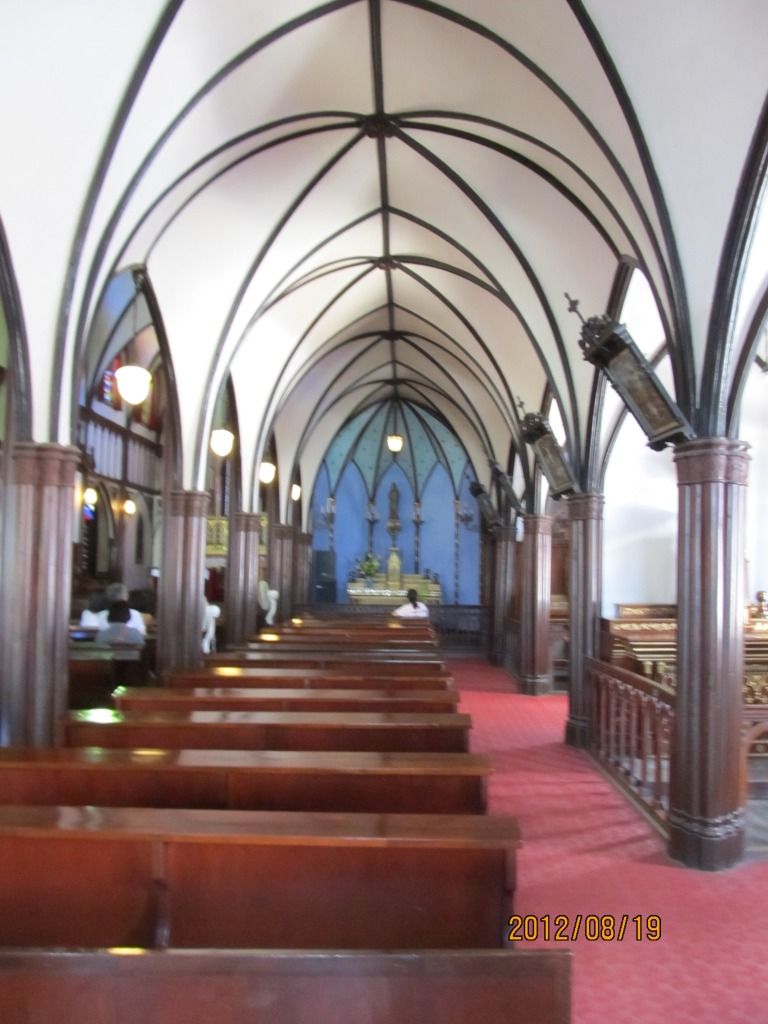
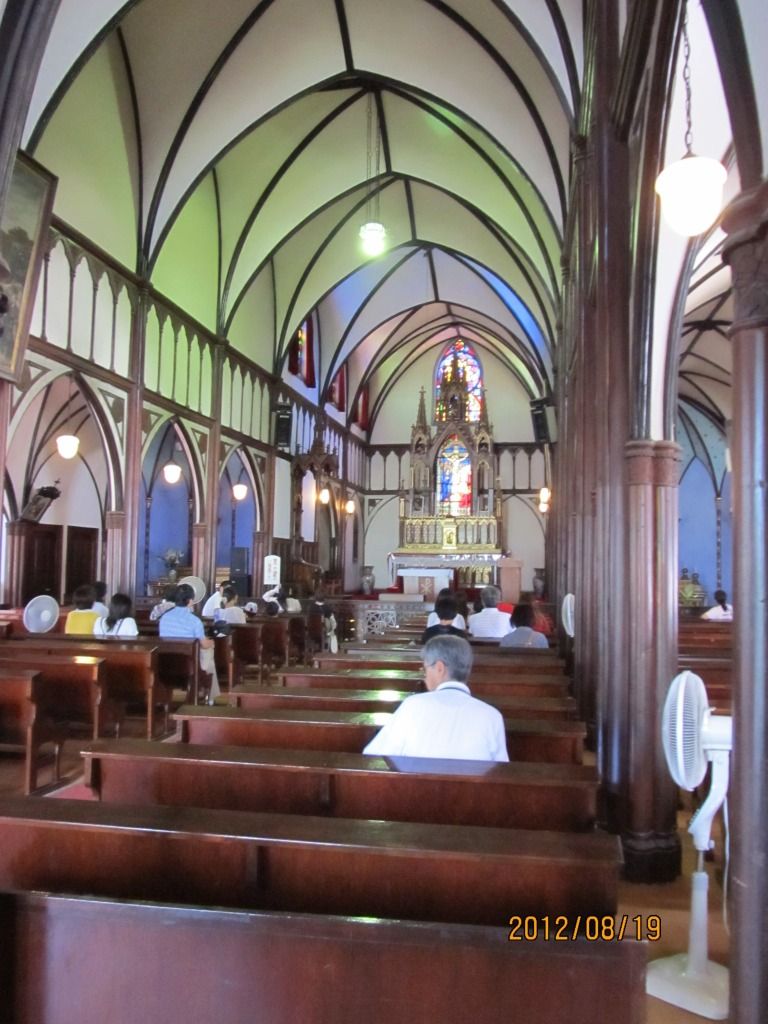
The church was built mainly under the leadership of French missionary Bernard Petitjean and held its consecration ceremony in February 1865.
Hawaii Japan.
Video.
|
||||||||
|
Katsuren castle was the residence of the influential Lord Amawari at the time when the Ryukyu Kingdom was still in the stage of stabilization. Amawari resisted until the last moment and destroyed Gosamaru, an important vassal to the king. He tried to usurp the sovereignty by attacking Shuri Castle where the king resided, but instead suffered disastrous defeat and destruction. His defeat brought stability to the sovereignty at Chuzan, with Shuri Castle as its core. Katsuren Castle is designated as a historic site.
|
||||||||
The church was built mainly under the leadership of French missionary Bernard Petitjean and held its consecration ceremony in February 1865.
- See more at: http://newsonjapan.com/html/newsdesk/article/111469.php#sthash.HLPWT33y.dpuf
We covered this before Nagasaki.
In spite of the prosecutions to Christians, some of them succeeded in handing down Christianity to their next generation. It is said that the total number of Catholic believers in Nagasaki city is lover 30,000. You can find many churches in Nagasaki city.
Two of the most famous churches are Urakami Cathedral and Oura Cathedral.
Urakami Cathedral
This Catholic cathedral was once the largest in Japan, but the cathedral was destroyed by the A-bomb. The present building was completed in 1959.
Oura Cathedral
The cathedral was built in 1865 and is the oldest wooden church in Japan. It is said that this church was built for relieving the souls of the 26 martyrs. This church is built to face in the direction of the hill of Nishizaka where 26 martyrs were crucified.
source
Oura Catholic Church (Nagasaki City, Nagasaki Prefecture)
Oura Catholic Church was constructed in the last years of the Edo Period in 1864 for the growing community of foreign merchants, who took up residence in Nagasaki after the end of Japan's era of seclusion.
Oura Catholic Church is considered the oldest standing Christian church in Japan, and is the only Western buidling to be designated as a national treasure.
Location : Nagasaki City, Nagasaki Prefecture
This was the oldest church in Japan and built by French missionaries in 1864.
It's not used as a church any more, however. It's located right next to Glover Garden.
Oura Catholic Church (Nagasaki City, Nagasaki Prefecture)
Kawagoe-shi, Saitama Prefecture, flourished as a castle town of Kawagoe castle in the Edo period. It had a strong connection with the Tokugawa family and was called Little Edo. Old warehouses, temples and ruins of castles still remain today. As it is not far from Tokyo, it is an ideal town for a day out.
JR Kawagoe Station or Honkawagoe Station of the Seibu Shinjuku Line is convenient for sightseeing in Kawagoe.
Shinjuku to Kawagoe (60 mins) JR Saikyo Line
Yurakucho to Kawagoe (60 mins) Tokyo Metro Yurakucho Line
Shibuya to Kawagoe (60 mins) Tokyo Metro Fukutoshin Line
Seibu Shinjuku to Honkawagoe (45 mins) Seibu Shinjuku Line Red Arrow Limited Express
find-travel.jp
You can look around the town by foot, but if you buy a free pass for 500 yen, you can ride the Ko-Edo Loop Bus, which cruises around 16 spots in the city, covering most of the tourist spots.
photozou.jp
photozou.jp
Kita-in Temple is a renowned Tendaishu temple. It had a strong connection with the Tokugawa famiily and was specially protected by the regime. Inside the temple are 538 stone Buddhas carved more than 200 years ago. Each Buddha has a different expression and takes a different pose. Also, there are many other important cultural assets such as Senba Toshogu.
blog.livedoor.jp
Kaiun Dango, rice dumplings dipped in soy sauce, is sold near Senba Toshogu. Because of its location, it is said to bring you good luck and many people visit to buy this every day.
blog.livedoor.jp
plaza.rakuten.co.jp
Kawagoe was a castle town of Kawagoe Castle in the Edo period. Most of the Castle does not remain anymore today, but the entrance and a few rooms are open to the public. The outfit back in those days and dolls of feudal lords are on exhibit. The stately atmosphere makes you feel almost as if you were back in those days.
blog.livedoor.jp
zexy.net/wedding
Hikawa Shine is said to have been built about 1500 years ago, dating back to the 6th century. Many women visit this shrine, as it is known for enshrining the God of Marriage. 20 charms prayed over by a miko, a maiden who conducts ceremonies to worship gods at shrines, are sold every day from 8 am. There are also many couples who hold their wedding at the shrine, so if you are lucky you may be able to see a beautiful Japanese bride.
morgennebel.net
Toki no Kane is a symbol of Kawagoe. Because there were no clocks in the Edo period, this tower has told the time to the people of Kawagoe by its ringing bell. Even today, you can hear the bell at 6 am, 12pm, 3 pm and 6 pm. Toki no Kane, along with the surrounding environment retains the vestiges of the Edo period.
There are many restaurants in this warehouse-style building. You can eat Japanese dishes such as kamameshi (a rice, meat and vegetable dish served in a small pot) and ramen. There is also a free rest place, so why not take a rest here when you are tired from walking?
blogs.yahoo.co.jp
www45.tok2.com
Not only did Kawagoe flourish as a castle town, but there were also many prosperous merchants living in warehouse-style architectures. Such a streetscape, where many warehouse-style buildings remain is rare even in Japan. In this museum, you can actually enter the warehouse and look around it.
tachikawa.mypl.net
tc-echo.com/repo
In the old days, Japanese children went to small shops called dagashiya that sold dagashi, cheap, small sweets. There were at least one dagashiya in the city. Not only did it sell sweets, but it also sold small toys and it became a place for children to gather. This shop Edoya, sells dagashi even today. Some taste a little strange, but for the Japanese people it is something that evokes their childhood memories. How about trying one out?
www.koedo.org
r.gnavi.co.jp
Tamariki Seika is a shop selling traditional Japanese candies. On some days, you can actually see how the candies are made. There are a variety of candies with different flavours, colours and designs. It will be a perfect souvenir for your friends!
ton-q.at.webry.info
www.kawagoejob.net
The God of Good Luck, the God of Success in Business and the God of Marriage is enshrined in Kumano Shrine. As yatagarasu is the symbol of this shrine, a three-legged mythical raven which is used as a motif for the Japanese Football Assciation logo, there are many football fans that come here. You can write your wish on an ema, wooden plaques or try your luck by playing quoits. It is said that you will receive good luck if you wash your coins in the Takara Ike.
What did you think of Kawagoe? In an hour from Tokyo, you can enjoy Japan’s historical scenary and delicious cuisine.
In Japan, there are a few customs that celebrate a child’s birth with wishes for a healthy and long life for the child.
Among the many children festivals what we have in Japan, the first celebration that a child has after his or her birth is known as the “Hatsuzekku”.
Hatsuzekku celebrates the birth of a new born and calls for rituals to pray for the baby’s growth and to ward off any bad luck. Hatsuzekku for baby girls is called “Momo no sekku” and is celebrated on 3rd of March when the peach blossoms start to bloom, while for the boys, the celebration is called “Tango no sekku” and is celebrated with the family on 5th May.
blog.livedoor.jp
www.heroes2009.jp
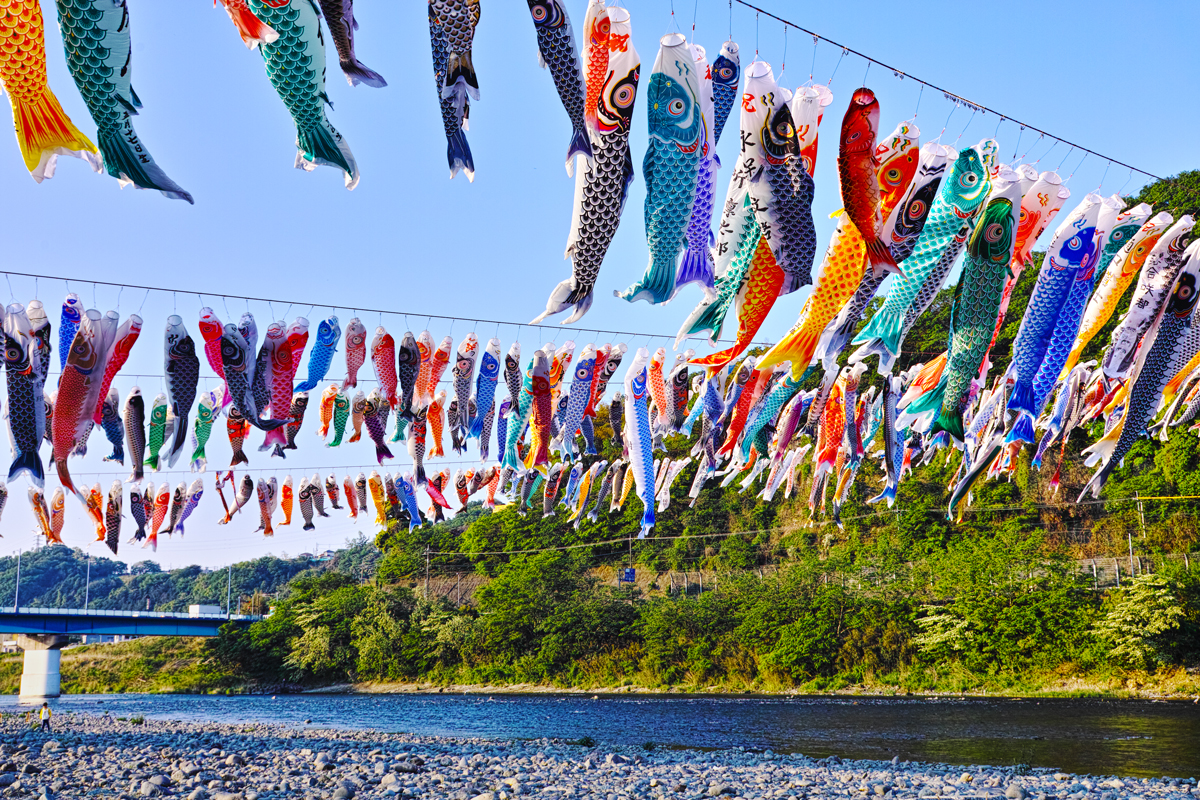
During the celebrations, households will get their houses ready with colourful carp streamers, replicas of ancient Japanese samurai helmets called “kabuto” and little samurai dolls called “Gogatsu ningyo” for the boys, or dolls that symbolise the princesses (called Ohinasama) and lords from the Heian period for the little girls.
idcturkey.com
www.uedaningyou.net
gogatsu-ando-doll.com
debz-di.kabocha.to
ganref.jp
It is believed that these dolls are necessary for the children’s smooth growth and development and that these dolls will protect the children from harm.
In the past, during the tango no sekku, families will decorate their homes with the samurai figurines and build a pole in their garden to hang the carp streamers. However, lately, as many houses now do not have enough garden space or more families live in apartment buildings, we seldom see poles of carp streamers during the celebration.
The significance of carp in the festival originates from a legend that tells of a carp that turned into a dragon after swimming up the Ryumon waterfall. The carp symbolises hope for success in a boy’s life. Hence, even if there isn’t enough space to construct a pole in the garden, you will notice some families installing carp streamers from their balcony instead.
sesamenikki.naturum.ne.jp
In the past when medical facilities are not as advanced as our modern day’s, the number of children, who passed away young were significant and the community depended on such rituals to pray for the child’s growth and health.
Hence, the birth of a child is an important event and to mark the special occasion these decorations were bought and prepared beforehand in every household. Due to the important social value that it holds, it was sold at a high price.
But even with today’s medical technologies that ensures every child to be able to grow up healthy and strong, this tradition of hatsuzekku is still practiced today to commemorate the birth of a precious life into a household.
The survey of 1,000 men and women, aged 20 to 59, was conducted by Yahoo! Japan, which aside from its general Internet portal operations also runs a sizeable online shopping network. Starting things off was a question just for the ladies: What White Day present will make you think better of the guy who gave it to you?
The results indicate that White Day is becoming as much about sweets as Valentine's Day, with desserts accounting for four of the top five answers. At number five was cookies (28.7 percent of respondents), with fashion accessories at 36.1 percent being the only non-edible present in the top five.
- See more at: http://newsonjapan.com/html/newsdesk/article/111526.php#sthash.uXwUD89B.dpuf
For Okinawa good lobang.
Wait for the next promotion to come.
this already over.
Terms of Use
How to Redeem
Spending some time on airplanes helps us better appreciate the small stuff, like awesome mobile devices and playing with prop guns. Fly to Okinawa, Japan with today’s Voucherlicious deal: $980.00 for a direct flight to Okinawa by SilkAir ($1350.00 value).


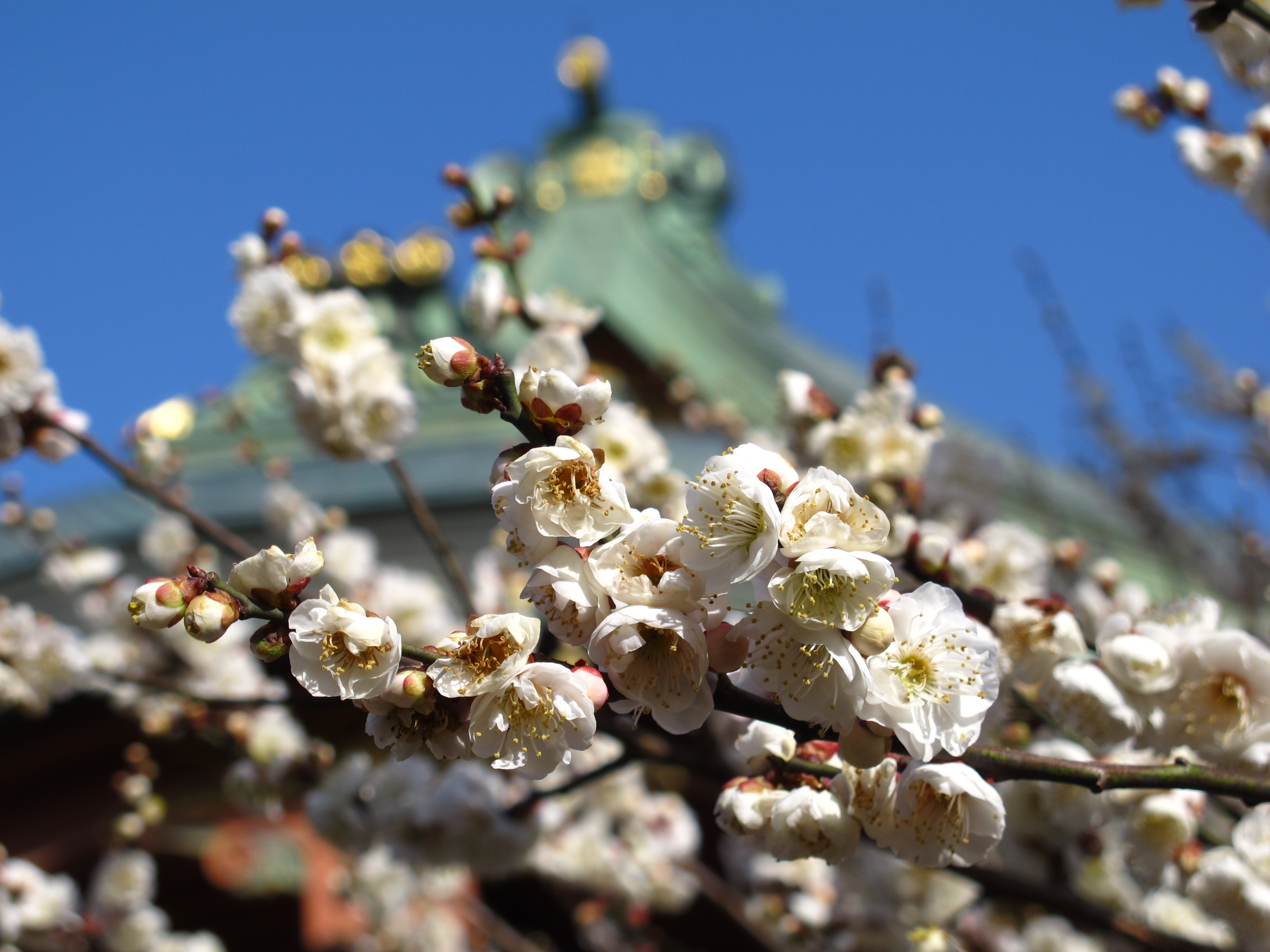
Wow... Cherry Blossom?
Or Plum Blossom!

|
SOURCE: DEEP KYOTO
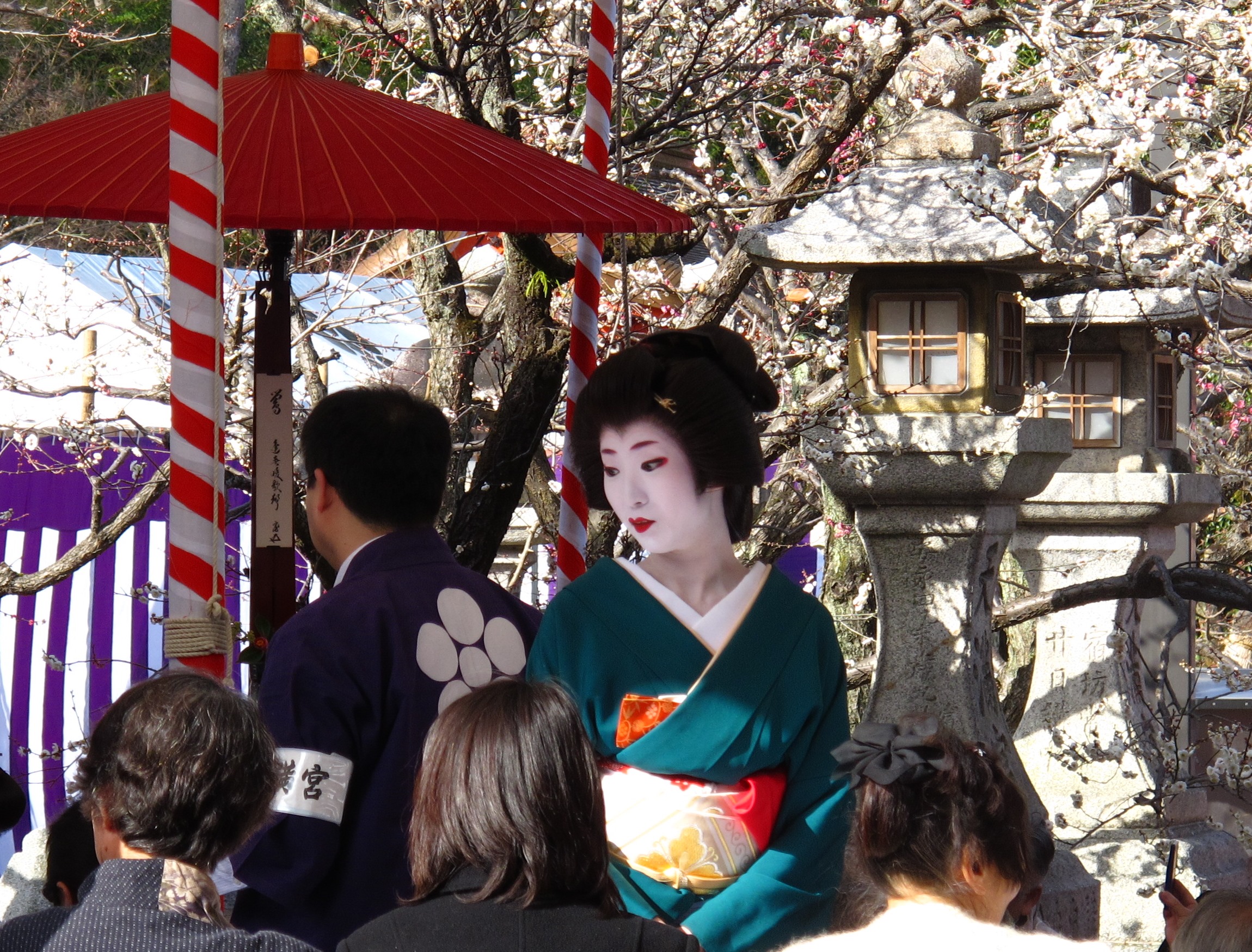
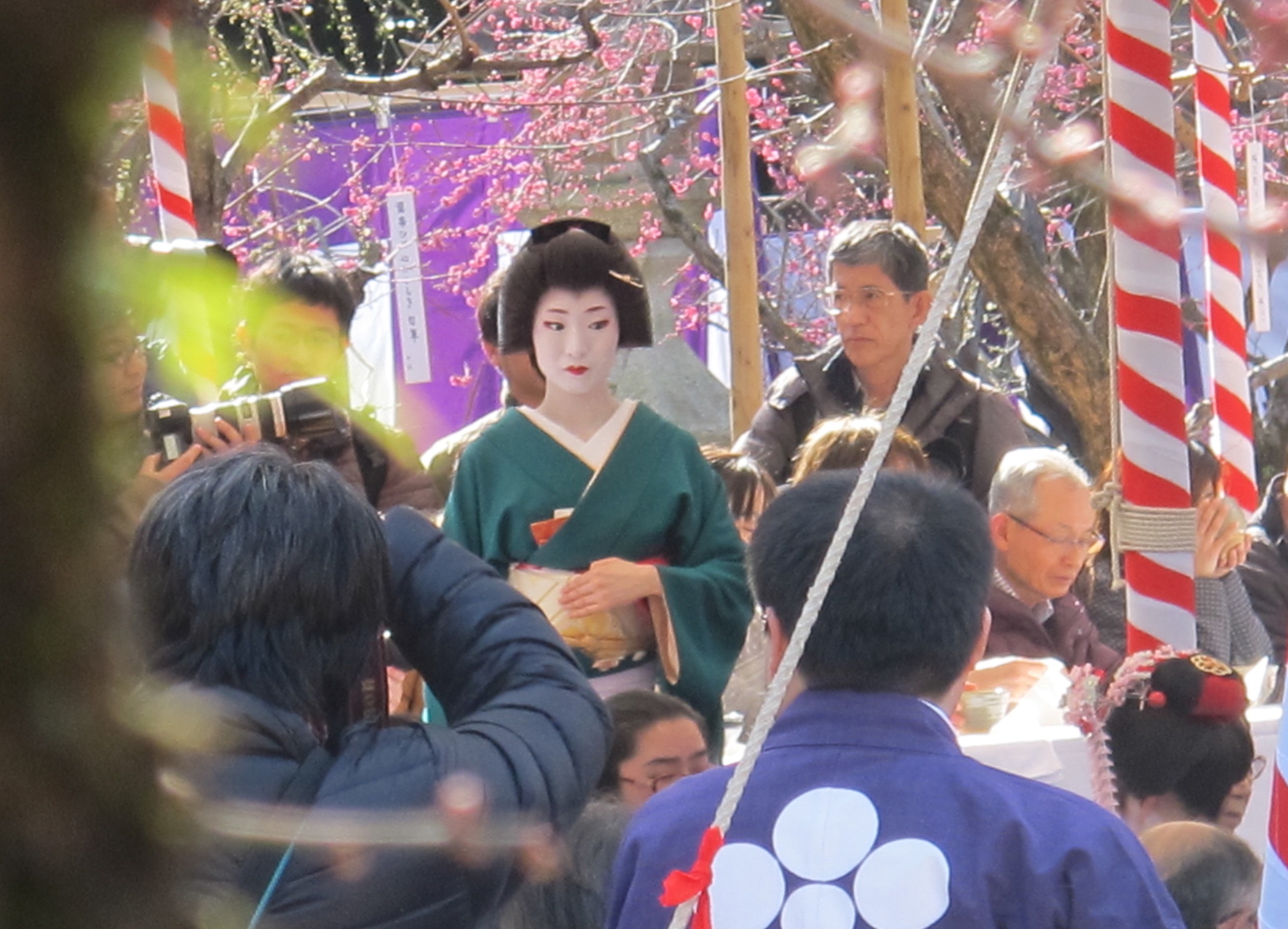
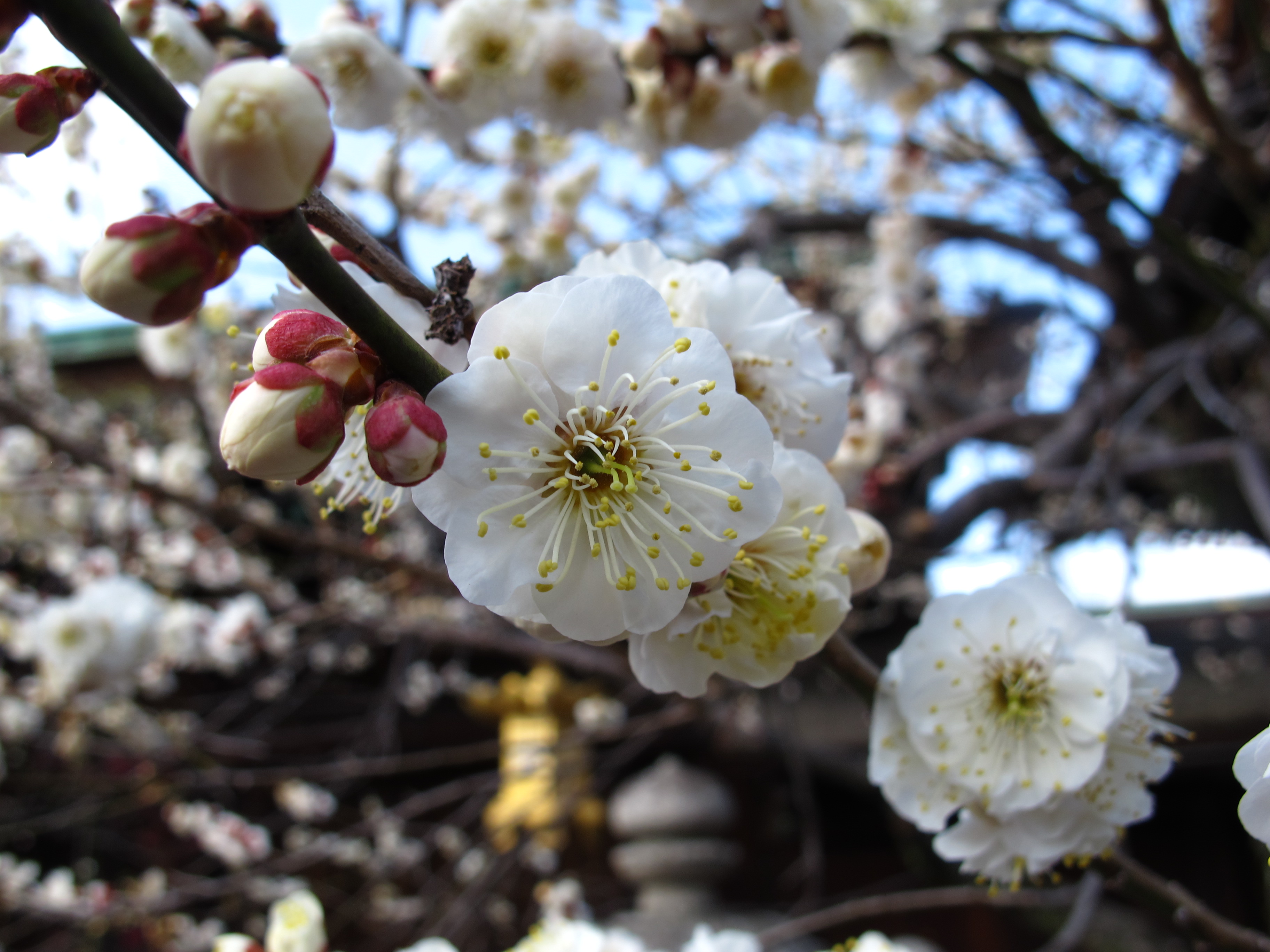
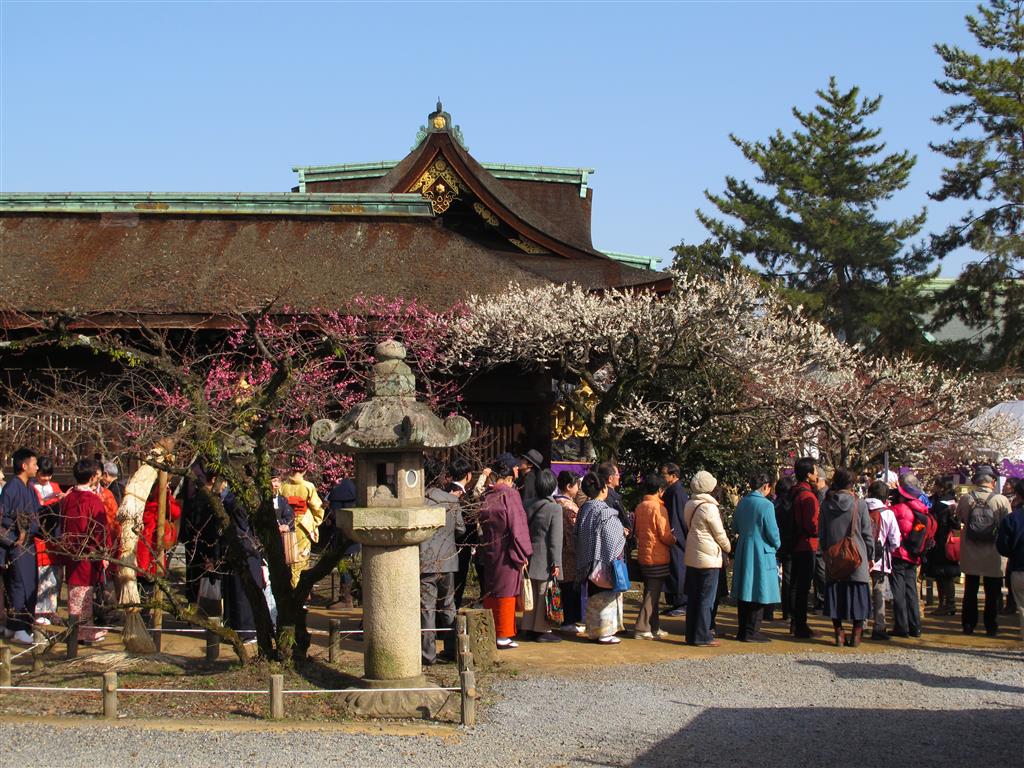
Kitano Tenmangu Shrine has a huge flea market on the 25th of every month, but on the 25th of February this coincides with the peak period for plum blossom viewing. Naturally this calls for a special celebration so every year they hold a special outdoor tea ceremony with geiko and maiko (Kyoto’s geisha) serving the tea. I went along today and found the place packed out with people. Despite the crowds though I could still enjoy the blossom. There was a long queue of people lining up for tea with the geisha. For 1,500 yen you can get matcha tea and some kind of traditional Japanese sweet… I’m not a big fan of matcha tea, so I opted to peek over the fence with these guys instead. Unlike all the other fellows straining for that perfect maiko shot, I did not have a massive telephoto lens, and so I didn’t really think I’d be able to get a decent picture. But one lady there today, happened to be taller than all the other maiko. She was quite literally head and shoulders above the rest. Plum blossom at Kitano Tenmangu will be viewable until mid-March. To get there take Kyoto City Bus #50, and get off at Kitano Tenmangu-mae. The shrine is open from 9:00~17:00 (7:00~21:00 on the 25th for the flea market). Find out more at the Kitano Tenmangu website: www.kitanotenmangu.or.jp/ |
Recently Ryosuke came home with a can of Shizuoka Green Tea Cola. He found it on a business trip up in Shizuoka. It looked like this:
It’s a carbonated beverage that tasted suspiciously like a cross between Melon Soda and Inca Cola (a famous Peruvian drink). There was a very faint aftertaste of green tea – but if I wasn’t looking for it, I wouldn’t have noticed it. Like, at all.
There might have been a hint of Dr. Pepper too, but I’m not terribly up-to-date with my sweet carbonated beverages. I drink mostly just tea and water.
I would give this drink a solid 9/10. Not a full 10/10 because aparently it was rather pricey (and difficult to find). If I’m looking for a regular carbonated beverage, I will probably just stick to Melon Soda and Coca Cola.
But as far as experiences are concerned, it was a good one. It was a delicious drink. Go Japan!
Want to read about other weird Japanese drinks? Check out:
Every summer, Japanese soft drink companies rack their brains to come up with the weirdest “limited time offer” drinks for the summer. Hands down, the winner for the weirdest summer promotional drink in Japan for 2012 was Pepsi-Cola’s “Salty Watermelon” drink. Pepsi is one of my favorite soft drink brands (I don’t drink much soda) – so this is a compliment).
This bright, florescent red fizzy liquid tasted like, well, a sweet and salty watermelon. It was also very sticky and surprisingly delicious. Like clockwork, every summer, Pepsi (and often Coca-Cola) will release a limited time only summer beverage. Past versions of Pepsi summer drinks have been Ice Cucumber, chestnut, and boiled red bean paste. Needless to say, I cannot wait to see Pepsi’s 2013 summer drink.
Pepsi’s Salty Watermelon beverage was delicious, to say the least. It tasted like a watermelon jolly rancher (no kidding) with a dash of salt. The only unsettling thing about the drink was the fact it was a bright (and somewhat sketchy) crimson liquid.
Watermelon is a bit of a delicacy in Japan; whereas American watermelons are enormous, cheap, and a bit tasteless, Japanese watermelons are small, perfectly round, and incredibly sweet. Oh yeah, and they are also freakishly expensive. Watermelon is often eaten in groups of friends (or families) in celebration. I’ve celebrated two birthdays in Japan; both have included expensive watermelons.
It was only a matter of time before someone tried to pair the Japanese love for fine watermelon (especially in the summer) with their unique soft drink flavors. I’m glad Pepsi did it; I only hope I can get another couple bottles of Salty Watermelon Pepsi this summer (because you can’t even find them on ebay anymore…).
Every summer, soft drink companies scramble to come up with the craziest drink inventions for the summer seasons. Last year’s crown of weird drinks in Japan went to Pepsi-Cola’s Salty Watermelon fizzy drink. The title for the 2013 weirdest drink in Japan, on the other hand, goes to Coca-Cola’s Ume (梅 / ã�†ã‚� /salty plum) flavored Fanta drink.
Ume is the symbol of spring-time in Japan. While Ume (ã�†ã‚�) is often translated as “plum,” it is, in fact, a particular type of apricot that is supposedly inedible if eaten as a raw fruit; instead it is either pickled, turned into wine, or strained into a non-alcoholic juice. The Ume tree blooms in early spring; the fruit is harvested in early June (hence it being a summer fruit). Someone on the Coca Cola team obviously thought it would be a good idea to try and create a carbonated beverage that captures the Japanese love for umeboshi (梅干 / ã�†ã‚�ã�¼ã�—)(picked plum) and ume fruits.
Unfortunately, the taste fell short.
I’m a huge fan for weird drinks. I couldn’t get enough of the 2012 “weird Japanese summer drink,” Salty Watermelon. I also love Ume boshi – the saltier the better. Friends around Japan are always amazed by my “iron stomach” that loved guzzling down those pickled, maroon tidbits.
However, this carbonated, light brown liquid called Fanta Ume tastes less like the pickled Ume I adore and more like “the artificial cherry gummy bears” (as one of my friends so eloquently stated after her first sip). In the end, Ume plum flavored Fanta tastes more like a non-alcoholic plum wine and less like the vinegary, salty ume drink I was expecting (then again, expecting a vinegary and salty carbonated beverage was probably a pretty stupid thing to do).
So far, three of my friends (excluding myself) have tried Fanta Ume; neither of us are particularly fond of it. However, I also detest artificial cherry flavoring (which, to be honest, this drink really does taste like the artificial, seedless cherries you would find on a cheap ice cream sundae) – so my pallet is slightly biased. If you like Japanese plum wine or artificial cherry flavor, you will probably love this unique, Japanese summer drink.
If you’re in Japan this summer, head on down to your local convenience store and try out this new, limited time offer. Even if you think you won’t like it – it makes for a great story later.
Seriously, it’s a limited time only thing. By the time Fall rolls around, these things will be off the shelf. The crazy summer drinks in Japan have a very short shelf life.
One of the (many) reasons I love Japan is because it is full of all sorts of weird and interesting things. Some of these “weird things” are places, such as the Robot Restaurant or a Rabbit Cafe, others are food and drinks, such as Salty Watermelon Pepsi or Sour Pickled Plum flavored Fanta.
Basically, Japan is never boring.
One of my (many) hobbies is to try “weird Japanese things.” Recently I’ve been on a drinking binge – where once or twice a week I try out the weirdest drink I can find in a grocery store.
This is how I discovered both Salty Watermelon Pepsi and Sour Pickled Plum flavored Fanta (which I like). Recently, I’ve been out of luck and mostly hitting awkwardly bad drinks.
This alcoholic drink is a “chuhai” (supposed to be Japanese shochu or vodka with carbonated water) type…
But, well, it didn’t taste like any of the chuhais that I love.
It was 5% alcohol. I bought it for a friend from America while she was visiting, because she LOVES green tea and was like “alcoholic green tea in a can? That sounds awesome!”
Except it wasn’t.
It tasted like watered down, stale green tea with a dash of cheap vodka.
My friend, the wonderful guest that she is, did drink the entire can. Ryosuke and I all tried it, but couldn’t stomach it…
Apparently if you dissolve a bunch of sugar into it, it doesn’t taste “too bad.” I still thought it was nasty.
Sadly, this one is going to get a 2/10 on my scale of drinks – not a full “0” because it IS alcohol green tea in a can, which is a pretty neat novelty.
Just, you know, it’s pretty gross. Sorry. If you’re looking for delicious and weird drinks, I recommend both Salty Watermelon Pepsi and Sour Pickled Plum flavored Fanta. Or really anything else on the shelf.
Living in Japan is interesting, to say the least. I have good days and bad days – but never boring days. As anyone who has spent significant time on the internet (or you know, actually lived in Japan) can tell you, Japan is full of all sorts of weird and interesting things.
Some of these “weird things” are places, such as the Robot Restaurant or a Rabbit Cafe, others are food and drinks, such as Salty Watermelon Pepsi or Sour Pickled Plum flavored Fanta.
Basically, Japan is fascinating. I could live here for 20 years and probably never run out of new, interesting things.
One of my (many) hobbies is to try “weird Japanese things.” Recently I’ve been on a drinking binge – where once or twice a week I try out the weirdest drink I can find in a grocery store.
This is how I discovered both Salty Watermelon Pepsi and Sour Pickled Plum flavored Fanta (which I like). Recently, I’ve been out of luck and mostly hitting awkwardly bad drinks. Like the last drink I reviewed, Alcoholic Green Tea in a Can.
Ok, but didn’t I have this coming? I mean, it’s “soy milk cola” – that doesn’t even SOUND appetizing, right?
Not really. I honestly had high hopes for this drink.
I’m allergic to milk; this company produces all sorts of delicious soy milk flavored drinks. My favorite are “black tea soy milk,” “pear soy milk,” “banana soy milk,” “chocolate soy milk,” and “strawberry soy milk.” I was at the grocery store last week and say they just released a new flavor, “cola soy milk.”
I liked all their other stuff.
So… why not?
Hint: it was… odd.
First of all, the cola soy milk legitimately looked like regular soy milk. It was a barely off-white, pale, liquid, basically the EXACT same color as their regular soy milk (whereas other flavors are usually colored).
If you closed your eyes and drank it, it kind of tasted like warm, creamy, non-carbonated coca cola. So not too bad. Ish.
But then you had to open your eyes and realize you were drinking something that looked NOTHING like coca cola (also, it kind of tasted flat because there was no carbonated bit inside).
I wasn’t able to finish the whole carton. The next time I went to the grocery store, they were out of stock. That was two weeks ago. I haven’t seen it since.
Japan is surrounded by sea and is well known for its variety of islands. There are so many beautiful places to go, so those islands are very attractive even for the Japanese.
Let me introduce the southern islands of Japan. Those islands still have an ancient atmosphere. This area has mild weather throughout the year. They also have their own unique culture, containing aspects different from Japanese culture.
Here are my recommendations for your next destinations in Japan.
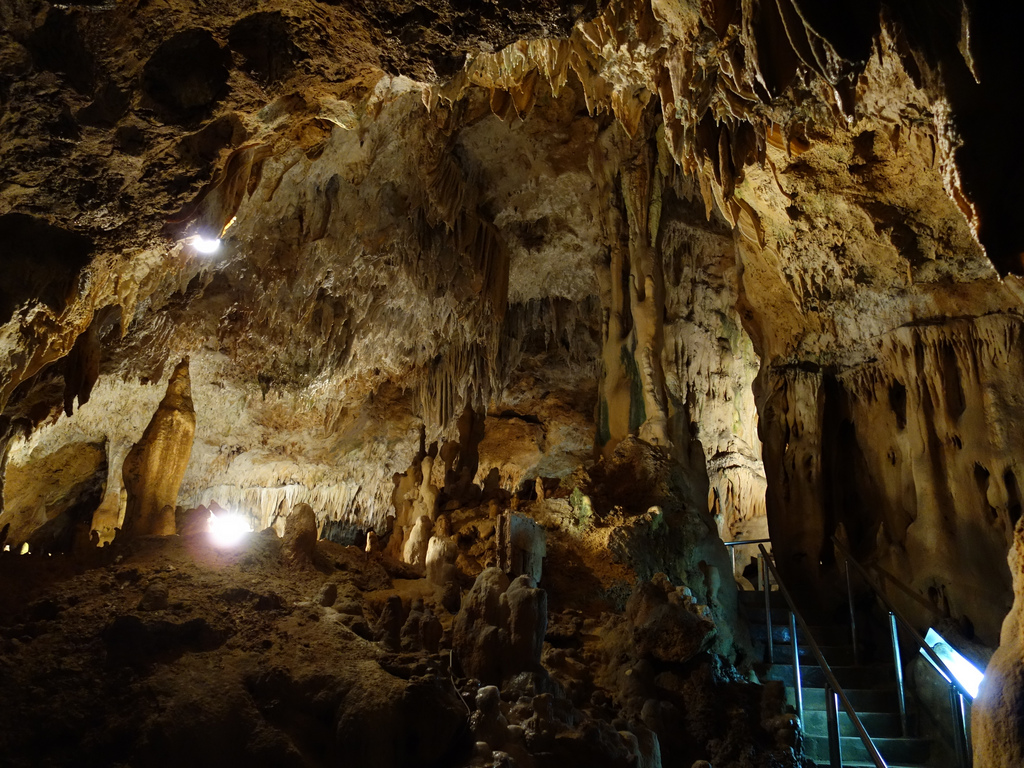
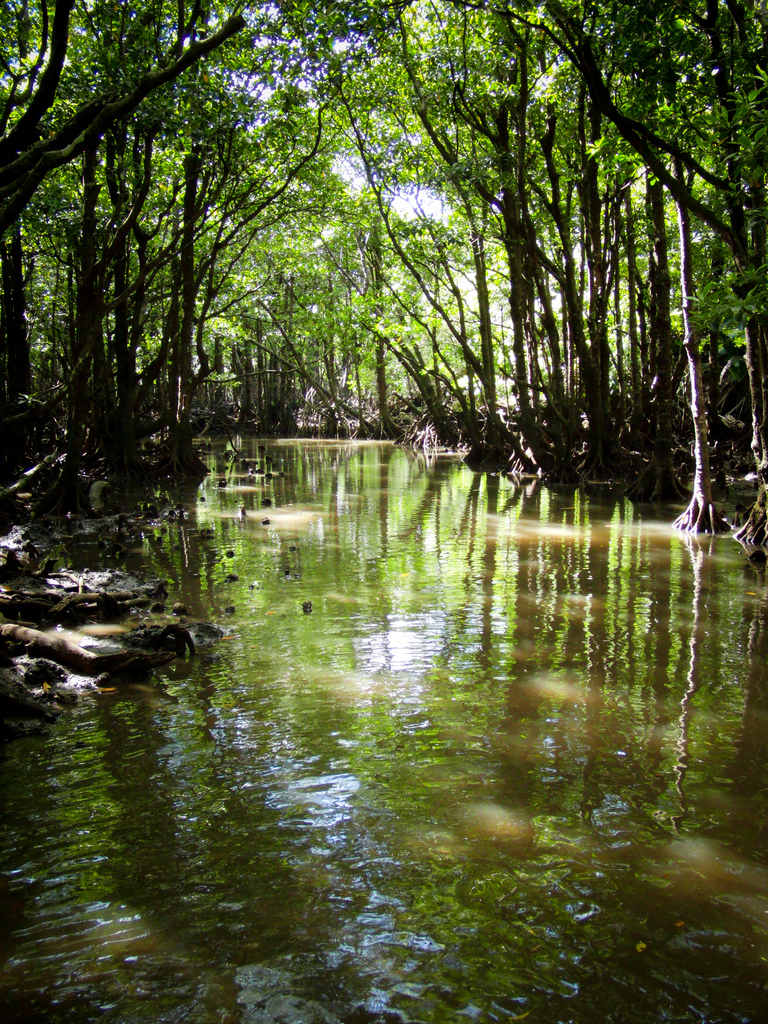
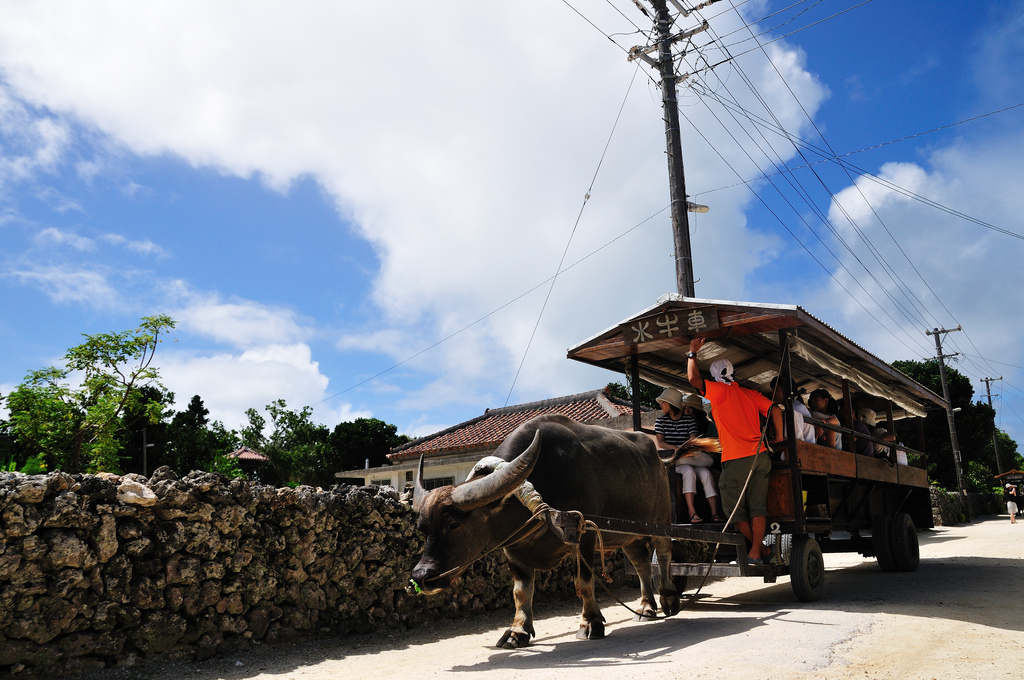
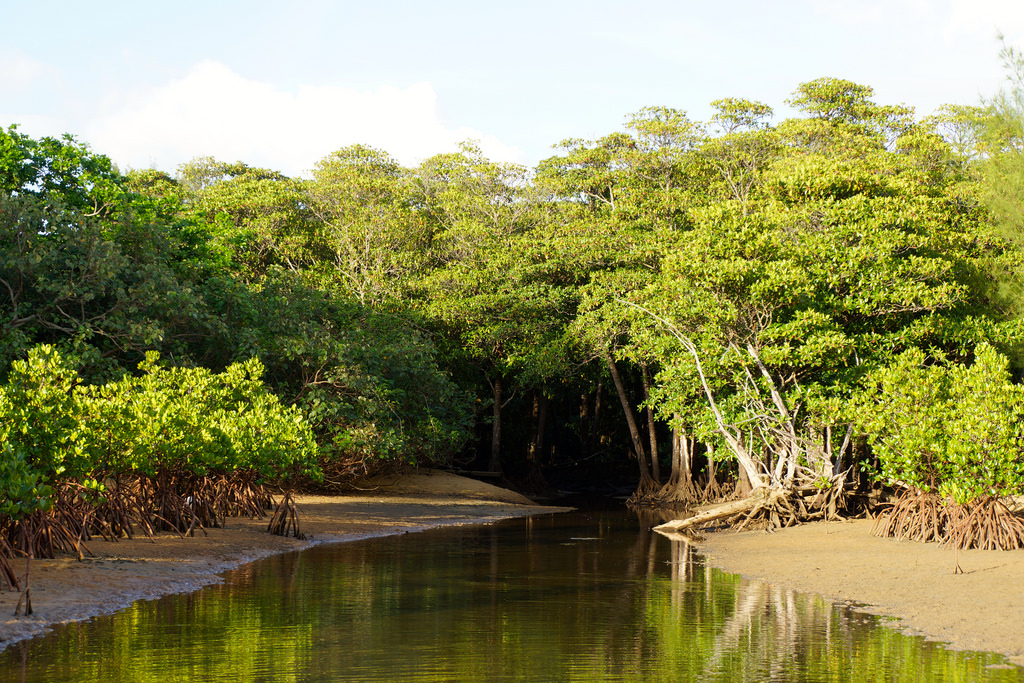
Ishigaki-jima is one of the most famous island in the Yaeyama Islands and is the third largest island of Japan. It is the perfect place to feel nature. You can enjoy canoeing in the Mangrove forest, or trekking mountains. You might be astonished by the Sabichi Limestone cave. It is said that the limestone cave was made almost 370 million years ago. This is the only cave you can go through to the sea in Japan.
Photo by nakimusi on Flickr
Photo by nimame on Flickr
Photo by Guwashi999 on Flickr
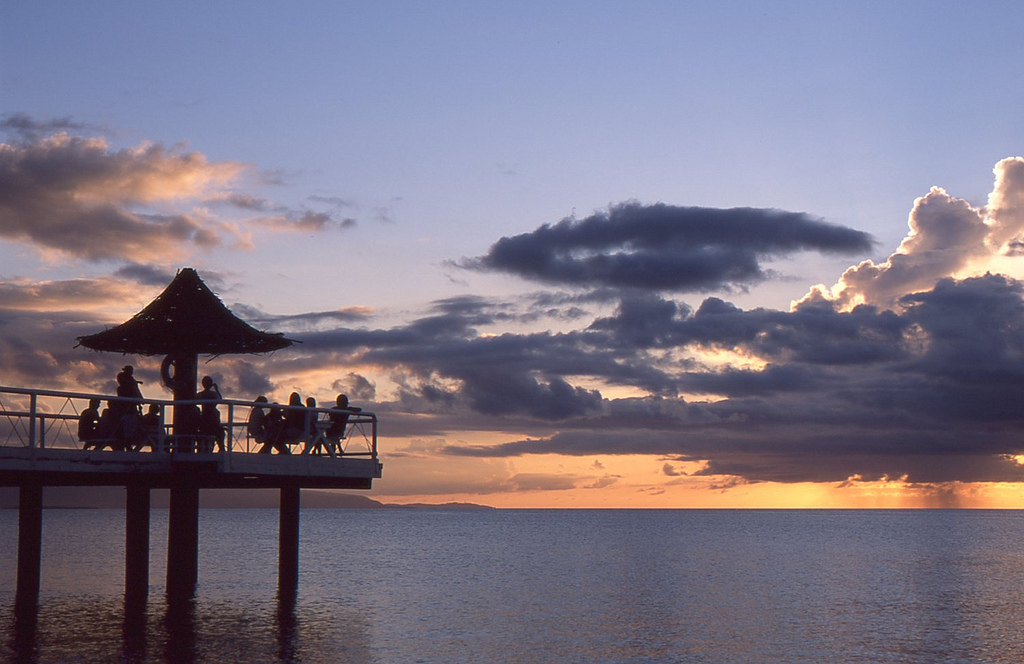
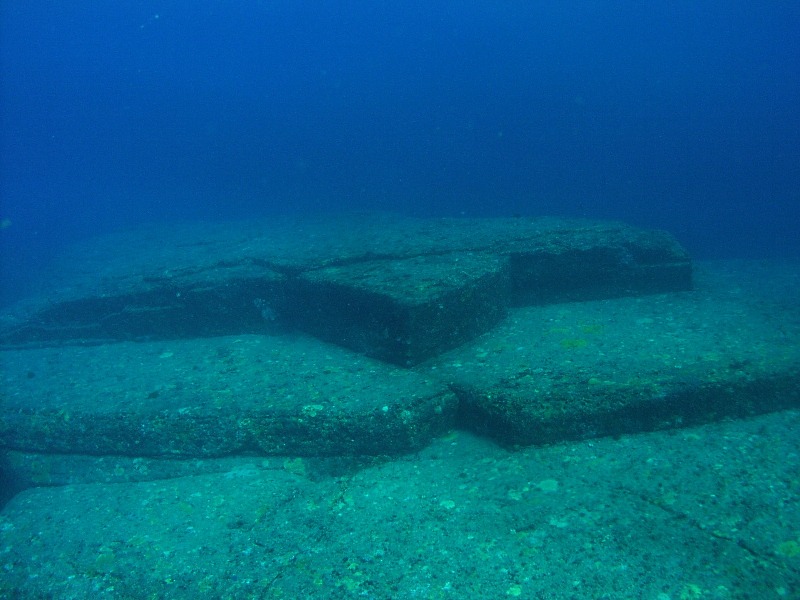
You can enjoy a completely unique experience in the Yaeyama Islands. The Yaeyama islands consists of 10 inhabited islands, including Ishigaki-jima and many surrounding inhabited islands. This area is the very southeast area of Japan, 2,000 kilometers away from Tokyo. You will be the last person to see the sun set on the day as the sun goes down very last in this area. In Yonaguni island, an old monument was discovered under the sea and this mysterious monument is getting a great deal of attention.
Photo by ajari on Flickr
Photo by Kentaro Ohno on Flickr
Photo by tomooka on Flickr

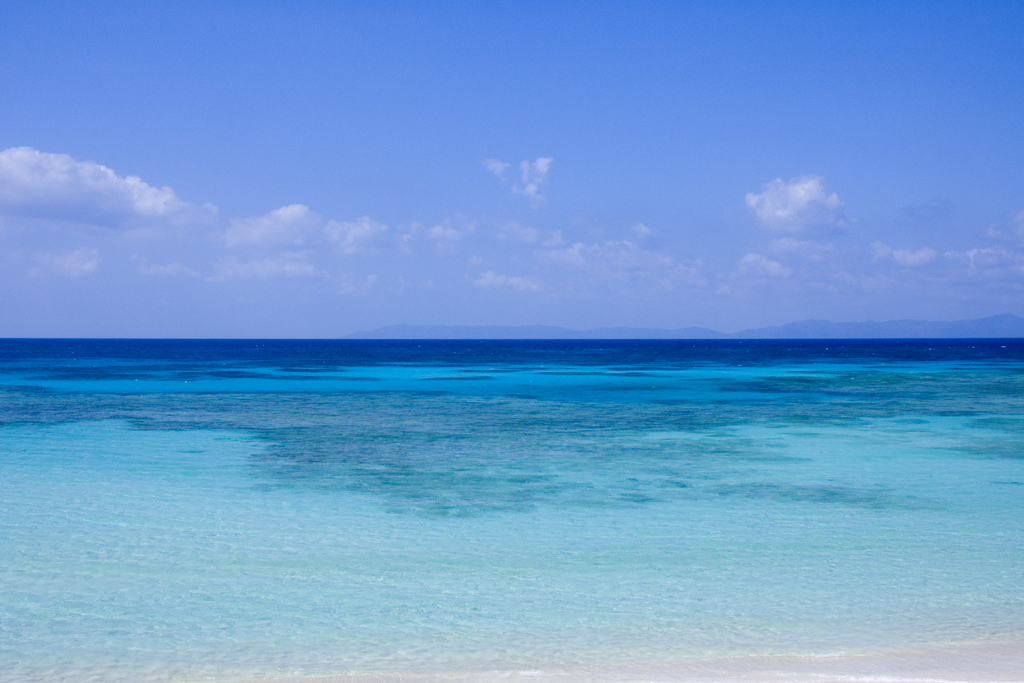
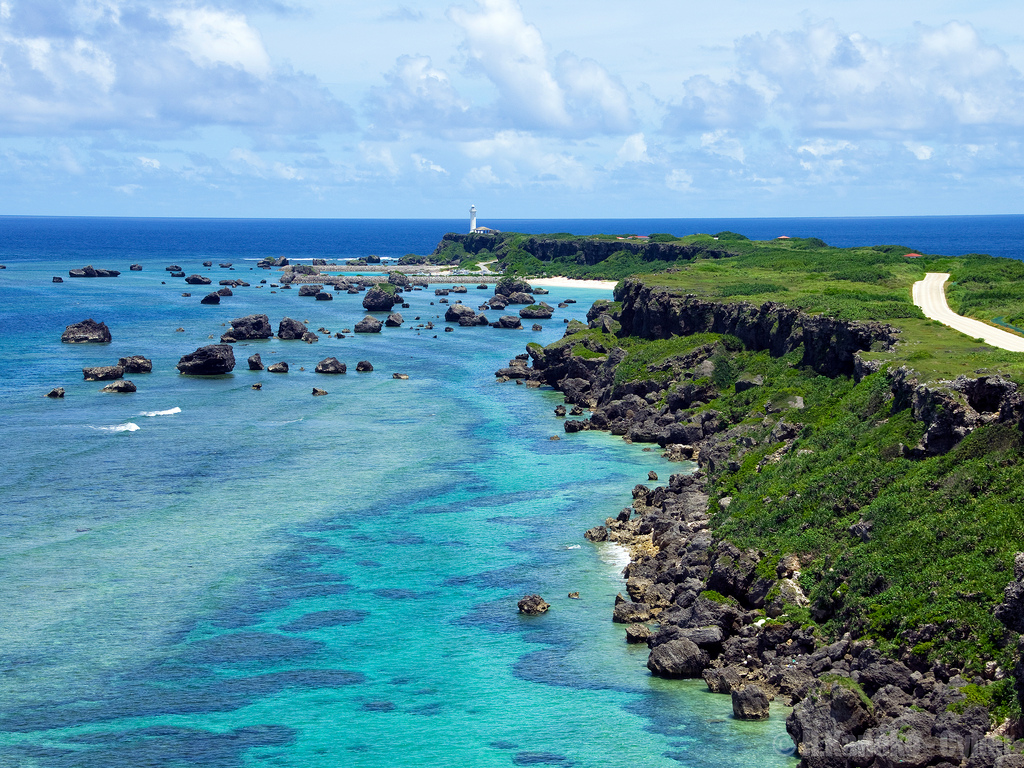
Miyako-jima is located far south from the mainland of Japan. It is 1,800 kilometers away from Tokyo. Miyako-jima is well known for its beautiful sea with coral reefs. If you really like diving, this place is perfect for you as this area has not only beautiful species of fish, but also caves and arches in the ocean.
Photo by Ippei & Janine Naoi on Flickr
Photo by cyber0515 on Flickr
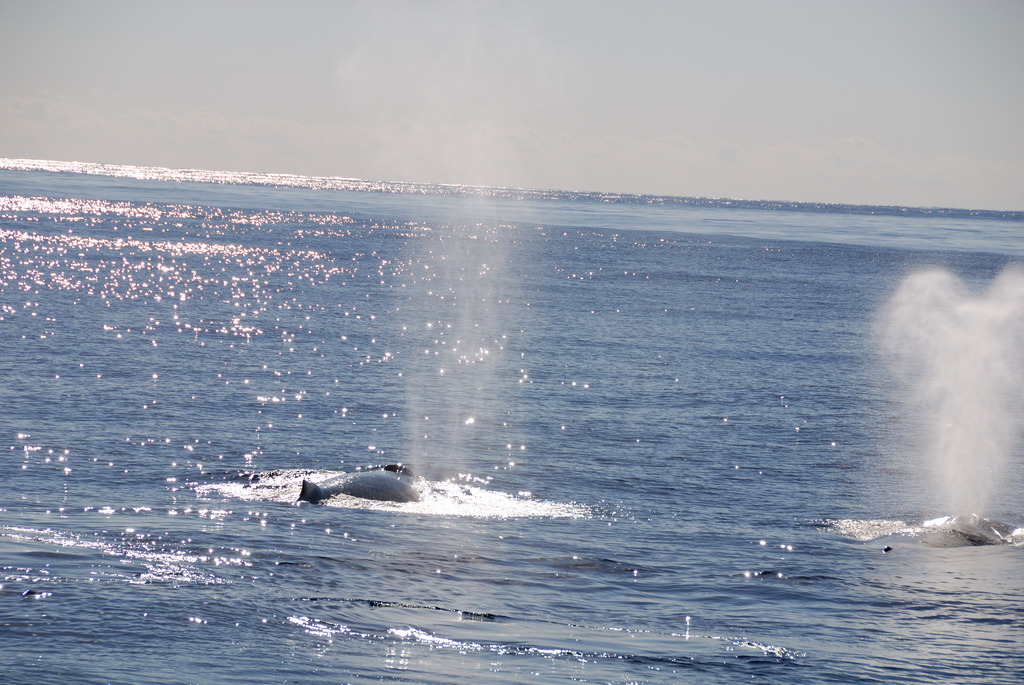
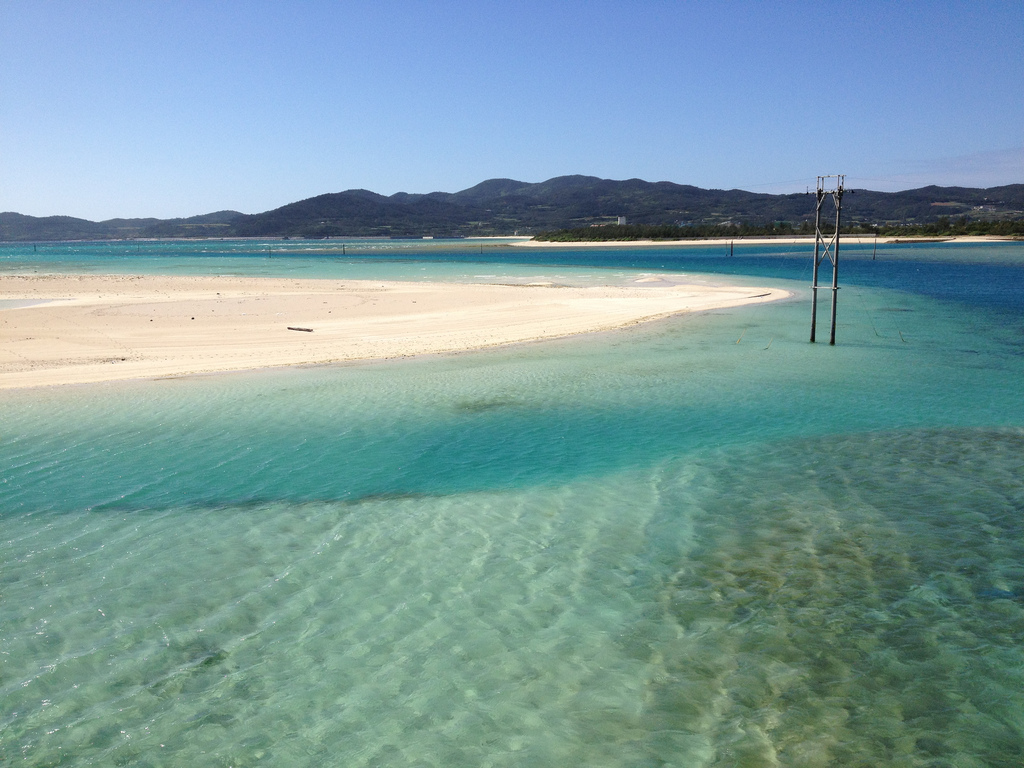
Kume-jima is 100 kilometers away from Okinawa. This place used to be a very important place for sea traffic for the Ryukyu Dynasty. There still are the ruins of castles and you can enjoy the old historical view.
You can enjoy whale watching, and spending your precious time in a relaxing mood, surrounded by beautiful blue sky and ocean.
Photo by lefty1007 on Flickr
Photo by Nao Iizuka on Flickr
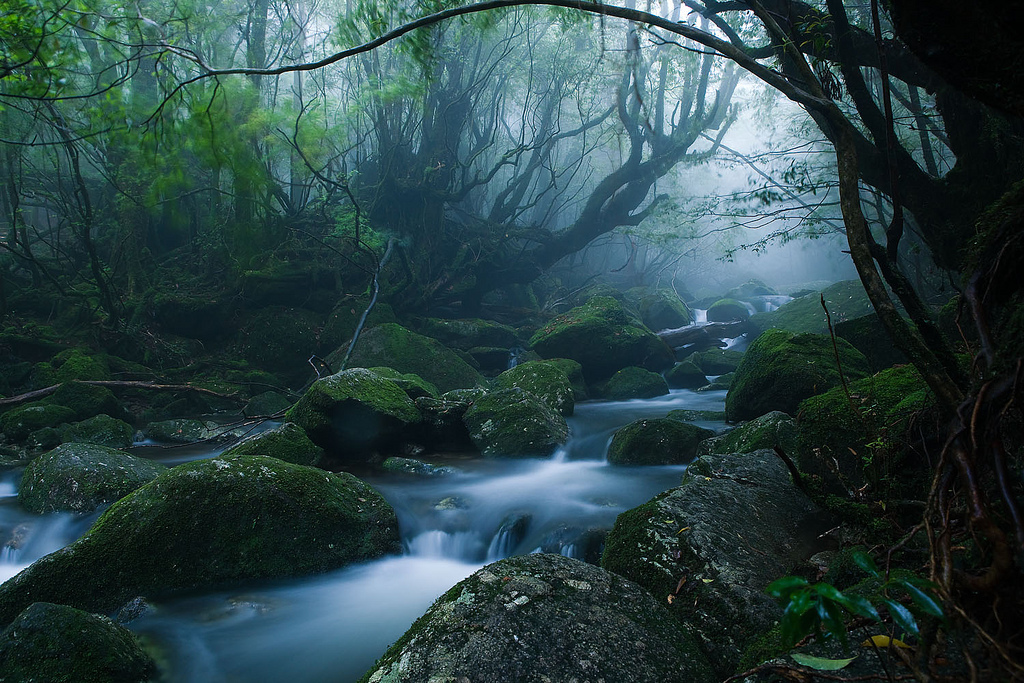
Yakushima is the best place for nature trekking. Beautiful mountains (Miyagaura-Dake), fountains and very well known Jomon-Sugi (Jomon Ceder Tree, 2,600 – 7,200 years old).There is a lot to see. After nature trekking, you can enjoy hot springs in this southern island of Japan!
Photo by gnta on Flickr
Photo by caseyyee on Flickr
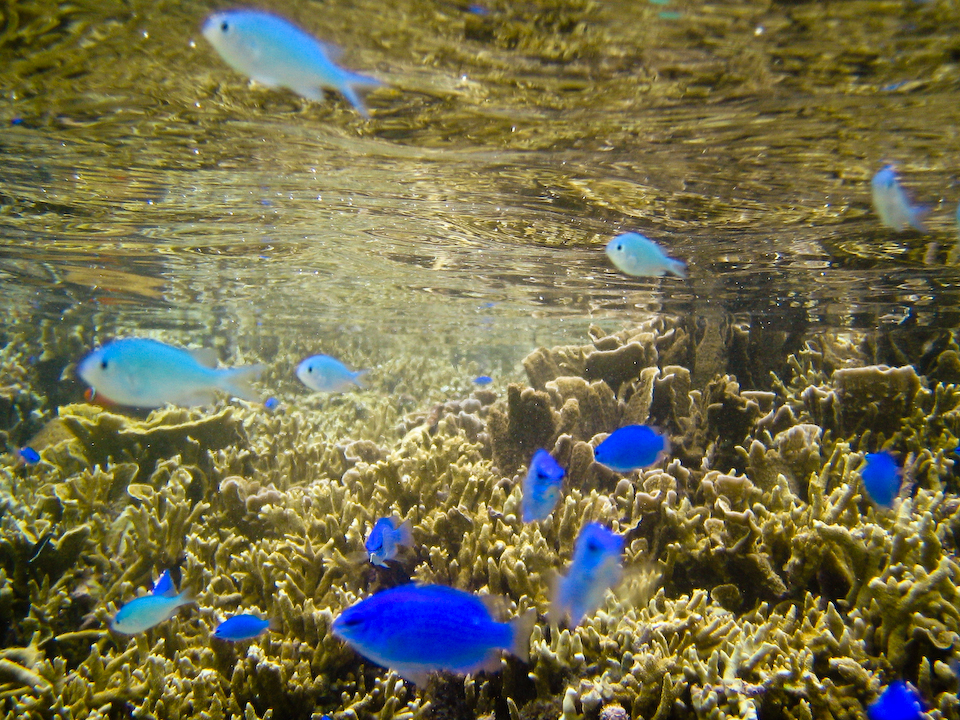
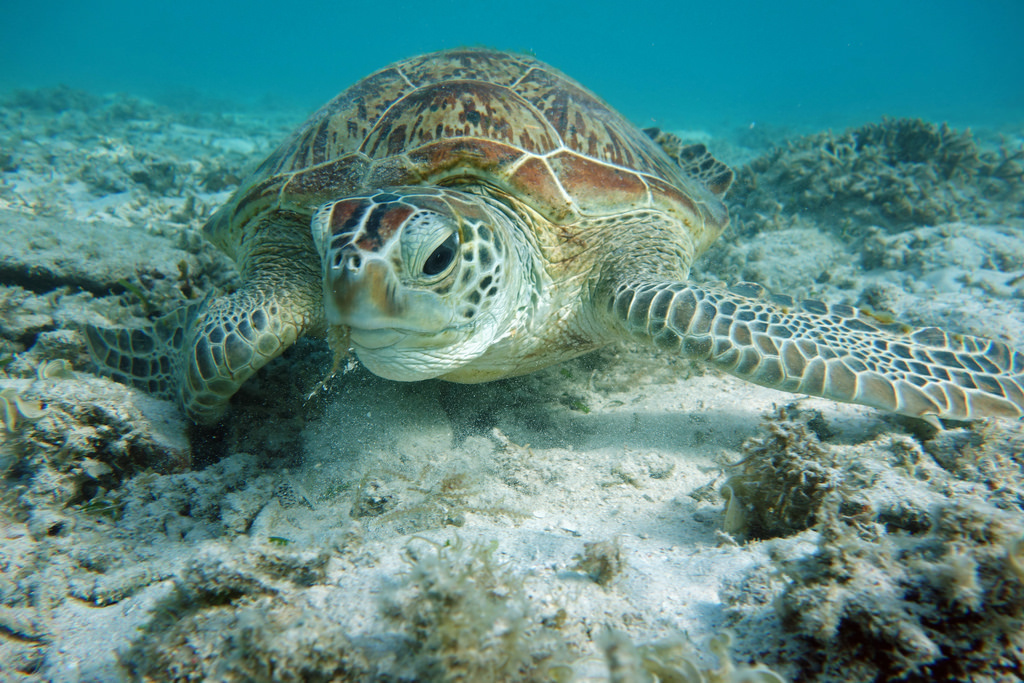
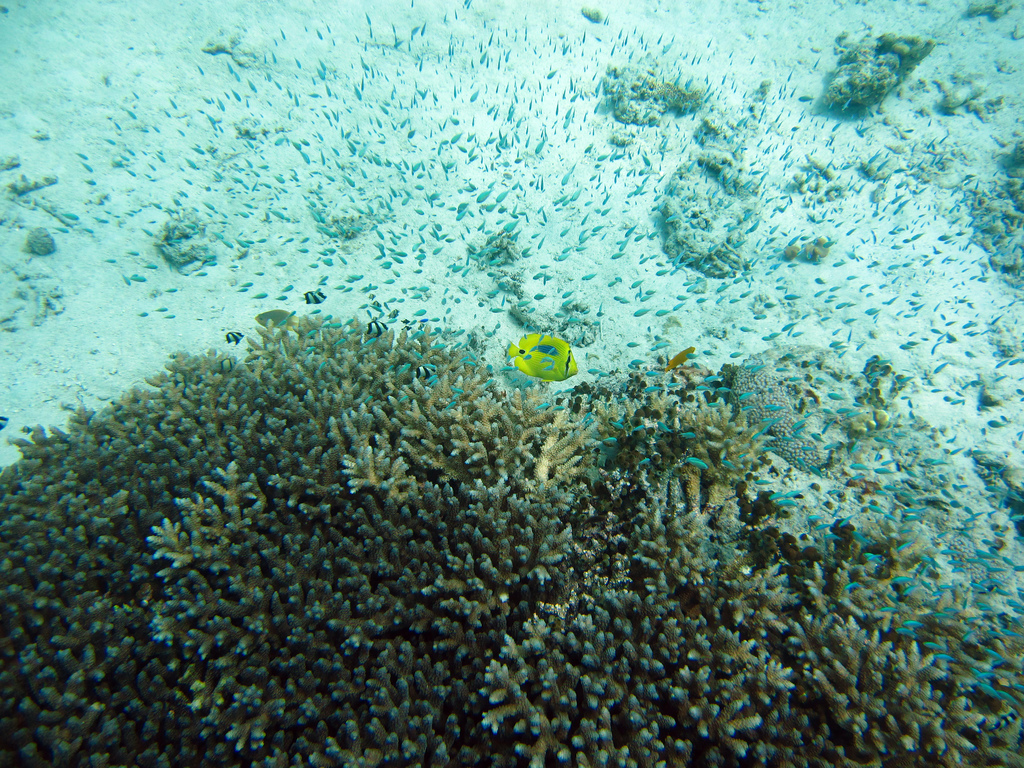
Kerama islands are 40 kilometers away from Naha City, Okinawa. There are 3 residential islands and many uninhabited islands. This place is perfect for diving and snorkeling as there are many kinds of tropical fish and coral leaves in Kerama.
If you visit the uninhabited islands, you will have a very private and wonderful beach experience!
Photo by Misenus1 on Flickr
Photo by keiyac on Flickr
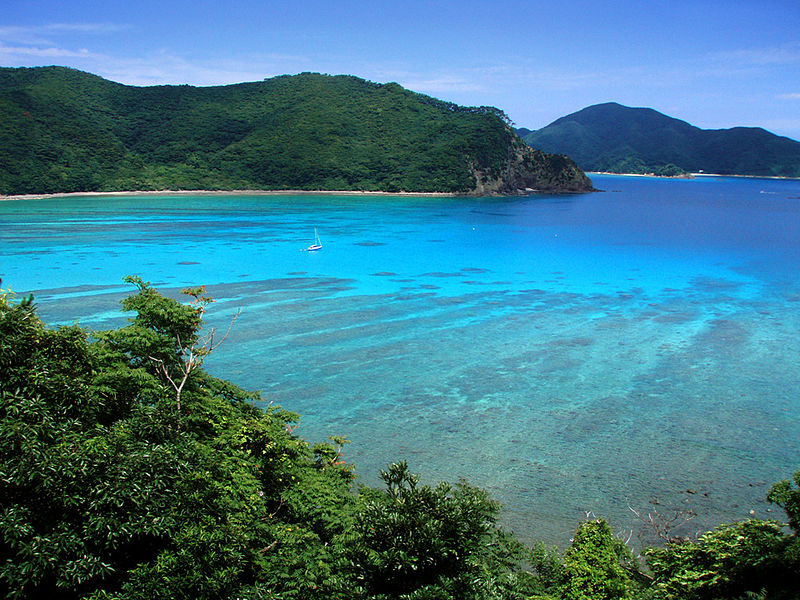
The Amami Islands are located between Kagoshima prefecture and Okinawa prefecture. On these islands you can enjoy unique plants, like the Mangrove and Banyan trees which are not seen on mainland Japan. You should try to visit Kinsakubaru forest as there are so many unique animals like the Amamino Kurousagi (Amami black rabbit) and Lidth’s jay which are nationally protected species.
Photo by Ippei & Janine Naoi on Flickr
ja.wikipedia.org
The Ogasawara Islands are located 1000 kilometers south of Tokyo. An ocean liner to goes there once a week, and it takes almost 1 day to get there.
Photo by Froschmann : ��る��� on Flickr
The Ogasawara Islands do not belong to the mainland of Japan. So they have their evolution of plants and animals and this is one of the reasons it is registered as a World Heritage Site.
There are a lot of activities you can enjoy in Ogasawara Islands. Nature trekking, star watching, taking part in night tour…if you have plenty of time, your trip to the Ogasawara Islands can be a perfect vacation for you as you are going to have a truly unique experience unlike anywhere else.
Photo by PhoTones_TAKUMA on Flickr
Video.
That figure, unsurpassed until now, will be broken in coming days, USJ officials said.
They said visitor numbers have risen sharply since the opening last July of the Wizarding World of Harry Potter.
In October, Universal Studios Japan recorded its highest monthly total of 1.46 million visitors. Then in January, the park clocked its 10 millionth visitor since April 1, 2014, a record pace for any fiscal year.
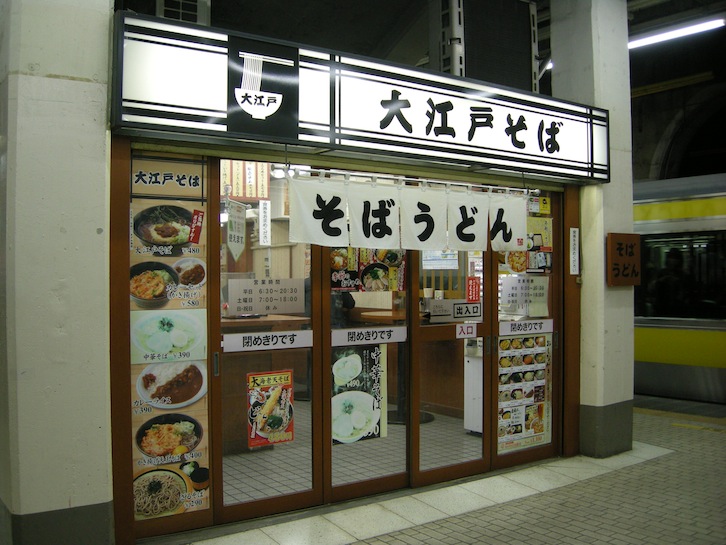
In Japan, there is a fast food called Tachigui Soba – standing-up-eating soba that you can eat in your busy time or when you feel a bit hungry. The shops mainly placed in the train station platform or inside the station
Among the foreign tourists, this Japanese Tachigui Soba – standing-up-eat soba has becoming hot topic and gaining its popularity.
hayashimasaki.net
Soba is a food made from the buckwheat fruits that processed into the soba flour, mix the flour with hot water and make a long and narrow shape of noodle when it kneaded, boil it and you can enjoy it with the broth.
www.sobakobo-sakichi.com
Tachigui Soba – standing-up-eating Soba is not a food that you eat slowly while sitting, but you need to eat it while standing. The way to order is also unusual, you have to buy the meal coupon on the vending machine and give it to the shop’s staff or you can directly order to the person who make it.
After you order it, the cook will make it for you on the spot. You can enjoy the steaming hot soba in around 3 minutes.
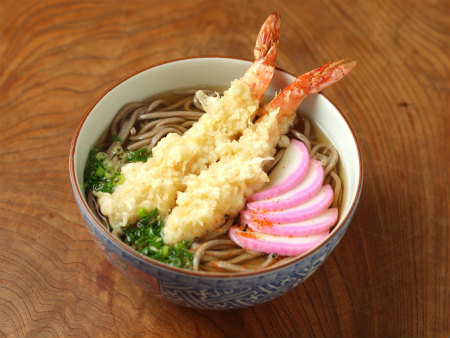
You can enjoy the kakesoba – soba in hot broth only for 400 yen. There are many kinds of toppings for soba such as kakiage – fried vegetables & shrimp, sansai – edible wild plants and ebiten – fried prawns. You can enjoy all these toppings that you like by paying additional charge.
www.nikusoba-narihira.com
mishoku-club.seesaa.net
dt125kazuo.blog22.fc2.com
After you finished eat the soba, you can put the tray in the counter and say “Gochisousama – Thank you for the meal” or you can give the tray to the staff inside the shop.
In particular the Shinshuu Soba from Nagano Prefecture is the famous one. In the first place, it is been said that the current long and narrow noodle shape was originally from Nagano Prefecture. The Shinshuu Sobahas the reputation for its good taste because this soba made from the good quality of buckwheat cultivated with the advantage of Nagano Prefecture’s climate that processed into flour and the usage of a clear clean water.
plaza.rakuten.co.jp
www.jalan.net
Why don’t you try to eat this soba when you come to Nagano for a sightseeing tour such as skiing? It’s a perfect food to warm up your body in a cold ski season.
In recent years, the Japanese Tachigui Soba – standing-up-eating soba in train station platform has become popular among the foreign tourists. What is Tachigui Soba? We will introduce to you the Tachigui Soba.
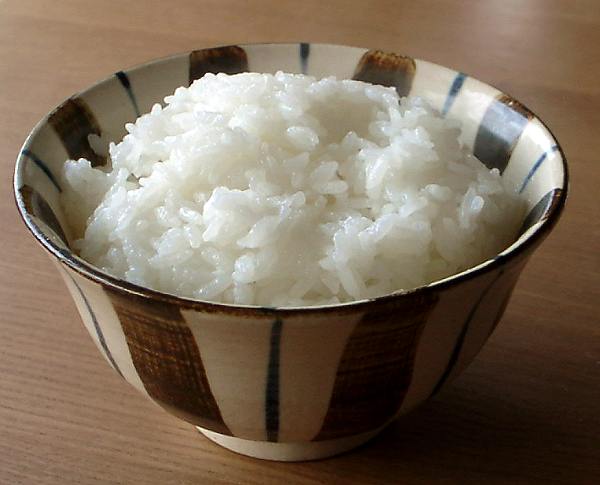
The Japanese have eaten “Okome or Kome (Rice)” as a staple diet since the ancient times.
www.rakuten.co.jp
Even though food is imported from all over the world and the Japanese eat universal food nowadays, the Japanese still eat rice commonly.
Rice has a long history and “Inasaku” which is rice cropping started in the Jomon period.
www.shin-kowa.co.jp
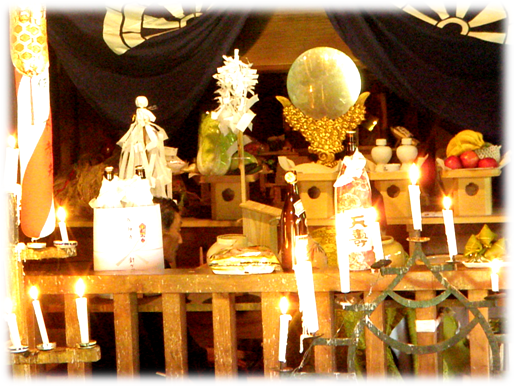
Following the Shinto religion in Japan, they dedicate rice as well as Japanese Sake and salt to god in regional festivals since ancient times.
ameblo.jp
So, for the Japanese, rice is not only food but also a crop with a spiritual value.
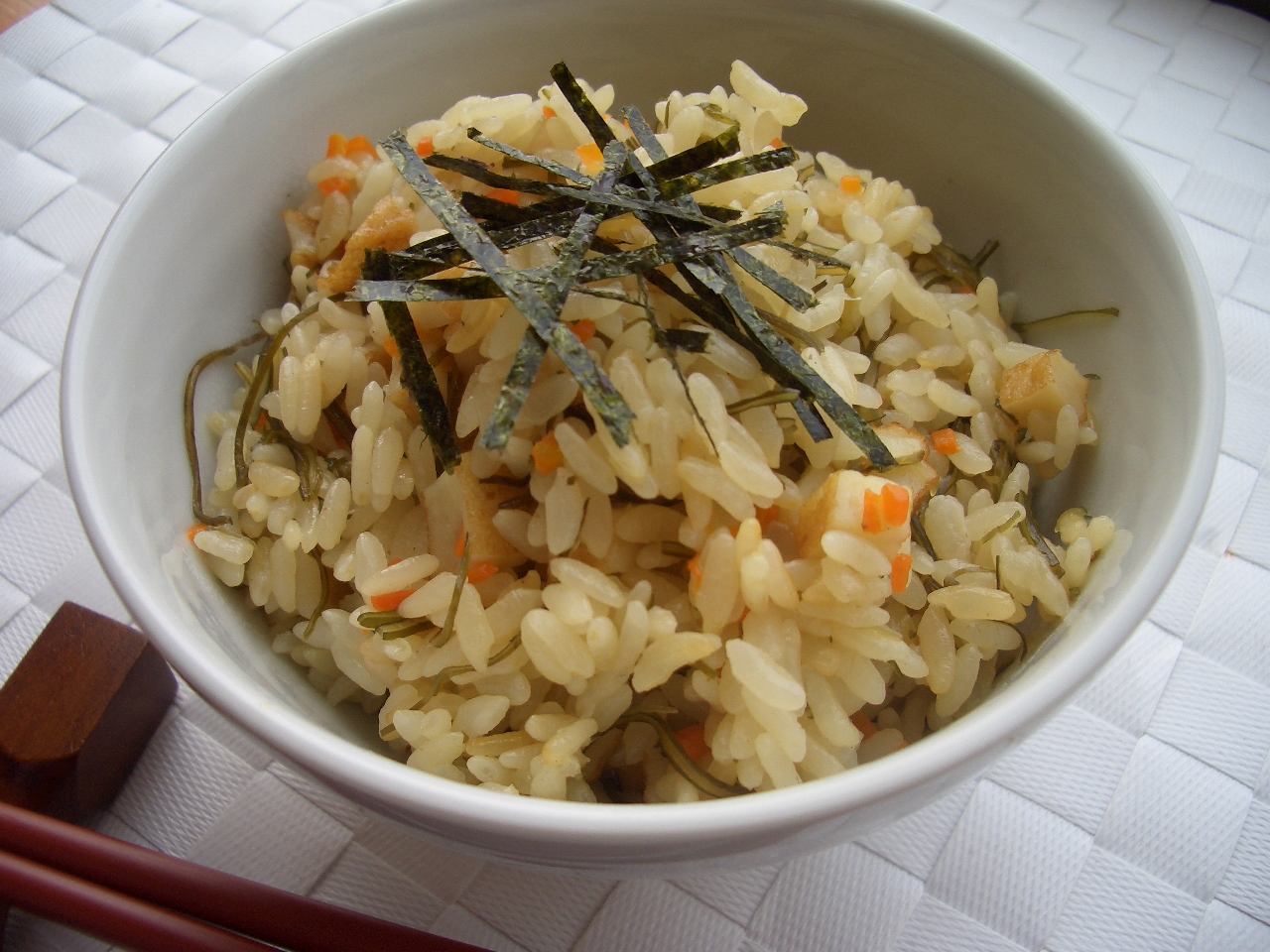
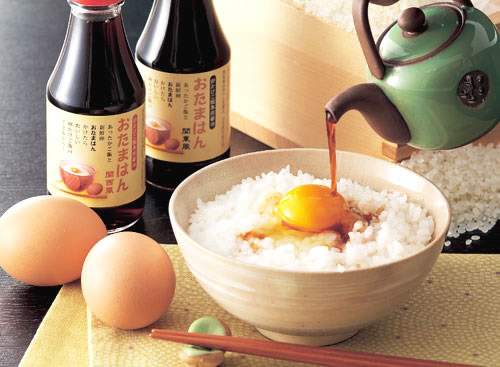
There is plenty of food used with rice in Japan, such as “Onigiri (rice ball)”, “Ochazuke (rice poured green tea, dashi or warm water)”, “Takikomi Gohan (rice seasoned dashi, soy sauce, vegetable, meat, fish or mushroom etc), “Donburi or Donburimono (rice bowl dish)”,”Tamago kake Gohan (raw egg on rice)” and so on.
oisiso.com
item.rakuten.co.jp
www.marusui-net.co.jp
miyamahonpo.com
item.rakuten.co.jp
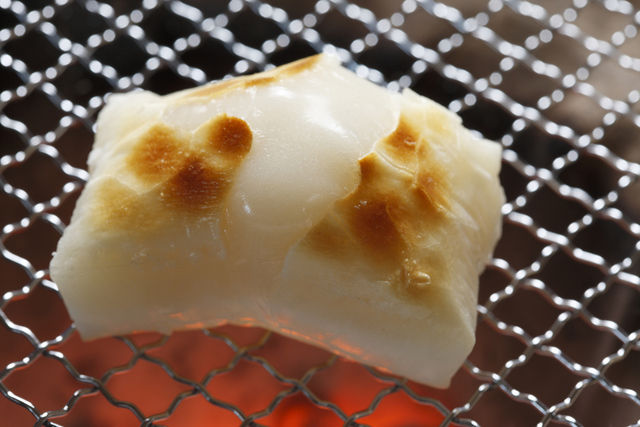
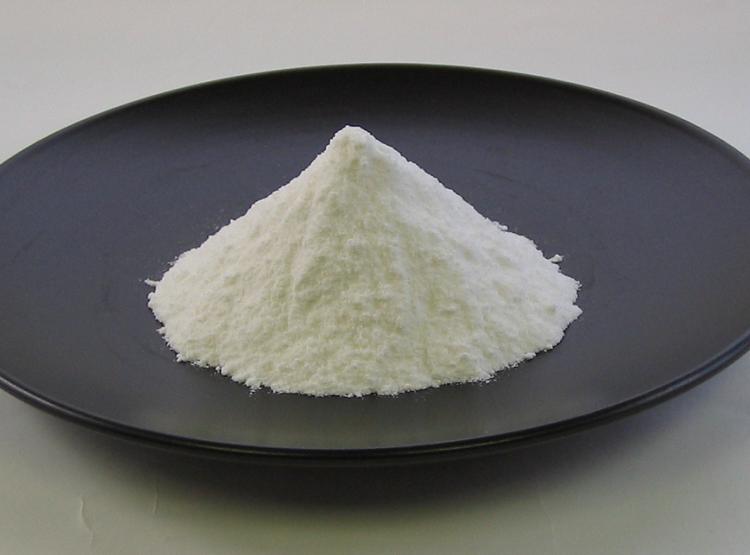
Mochigome is the sticky rice which is slightly graded up from normal rice. The Japanese eat Mochi (sticky rice cake) made of Mochigome.
motto.tips
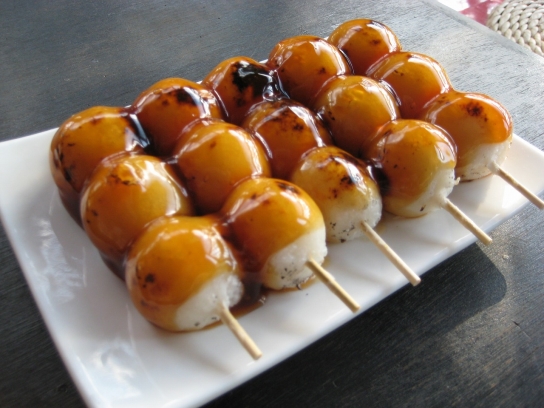
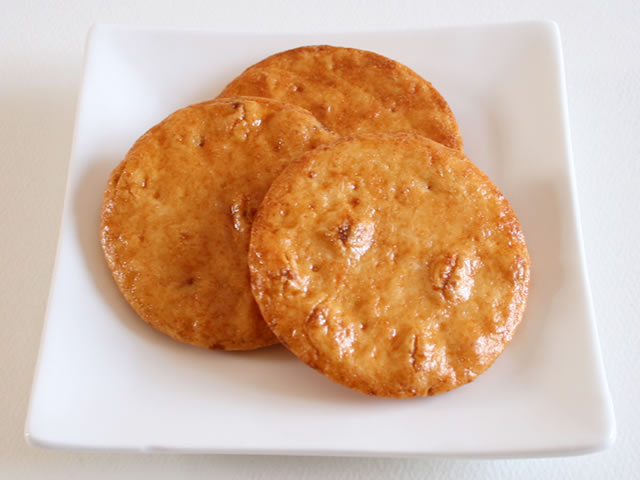
Omochi or Mochi is eaten in special ceremonies such as Oshogatsu (New Year) when Japanese celebrate the beginning of the New Year. They make the sticky rice into a powder called “Shiratama-ko (Rice glutinous flour) or “Joshin-ko (Japanese rice flour) and then these flours are used to make Odango (or Dango, Japanese sweet dumpling), Wagashi(Traditional Japanese confectionery) and Osenbei (or Senbei, Japanese rice cracker).
www.ruan-yk.co.jp
www.rankingshare.jp
chicory02.exblog.jp
zaou.co.jp
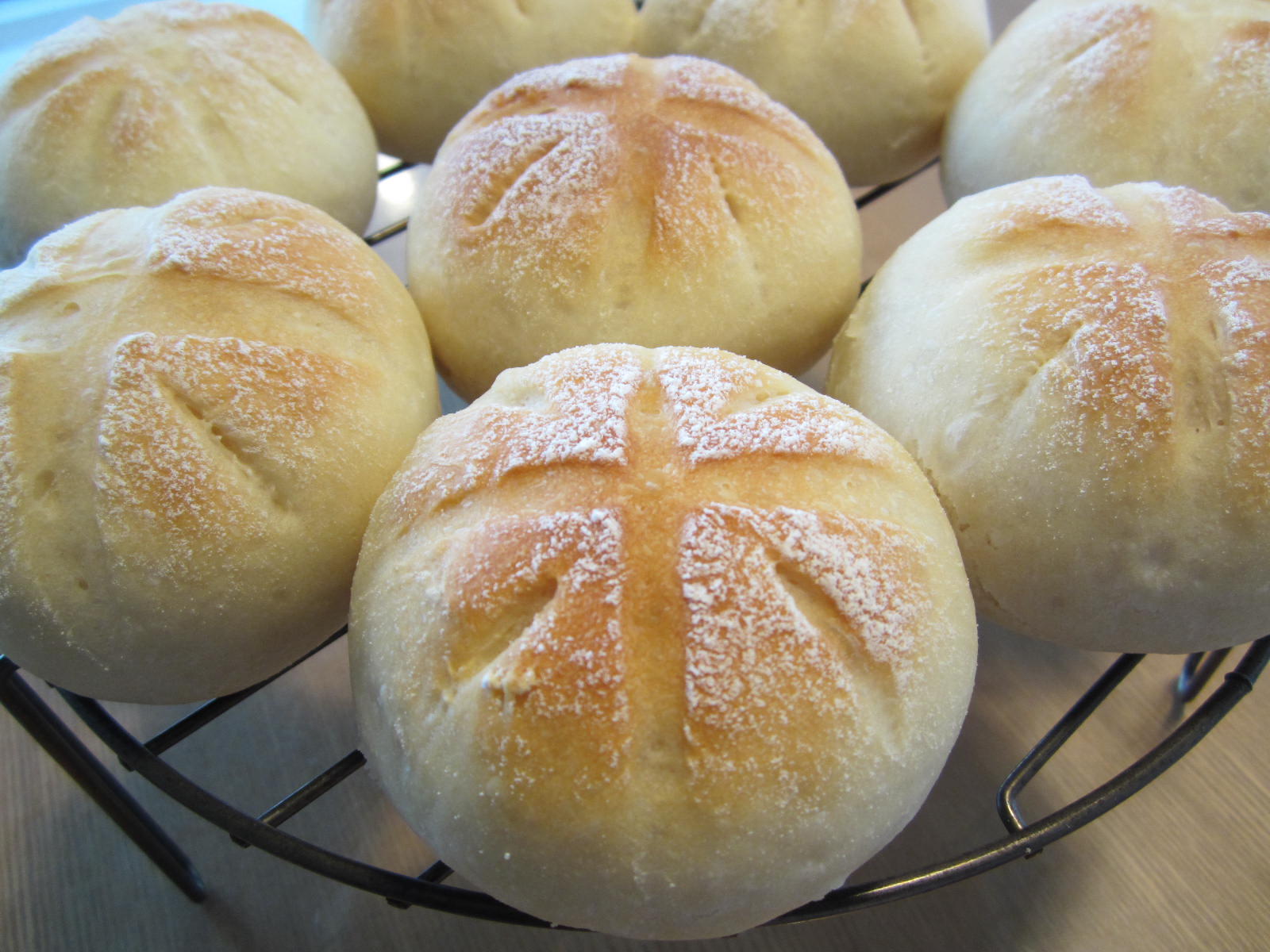
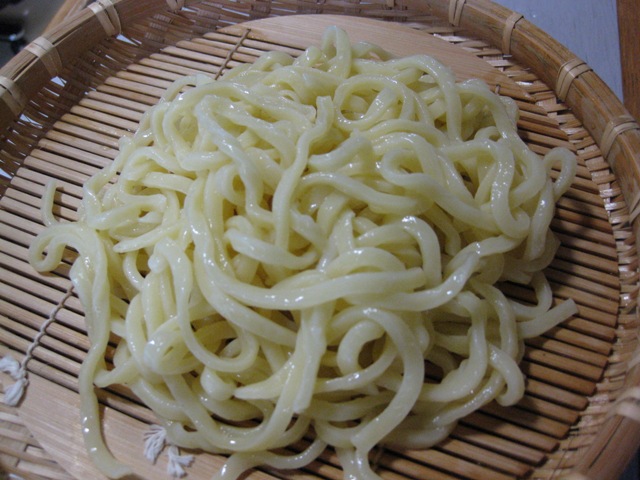
A recent development is Kome-ko (rice flour) made of plain rice. This Kome-ko can be used the same as flour to make bread and Udon (Japanese thick flour noodle).
11578678.at.webry.info
www.kyoya-ramen.co.jp
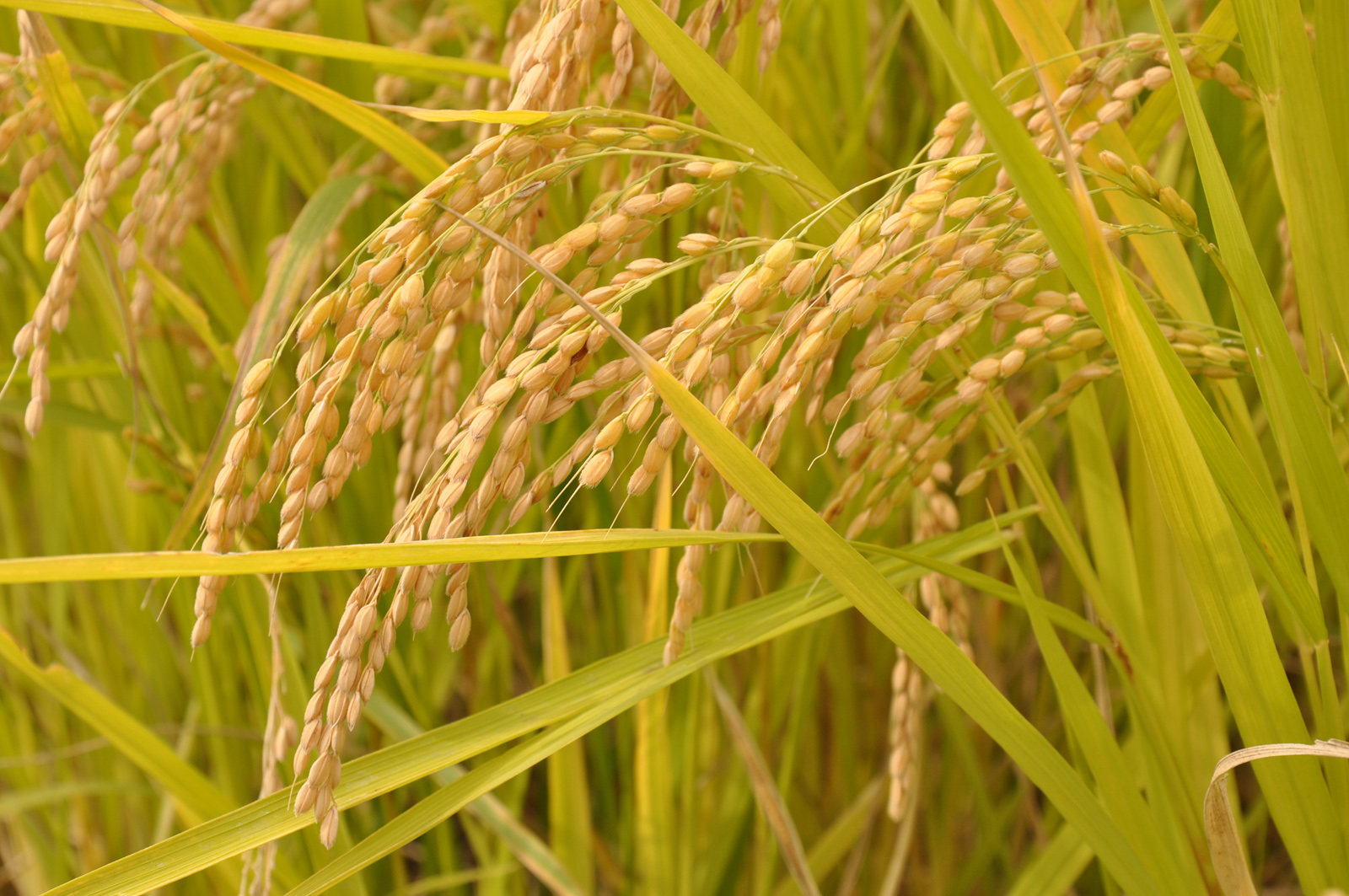
“Inasaku” which is rice cropping starts from the planting of rice seedlings called “Taue (Ta-rice field, Ue-planting)” in April and rice is harvested in September. From the planting of rice seeding to the harvest, there are many things to do and are lots of care in each process.
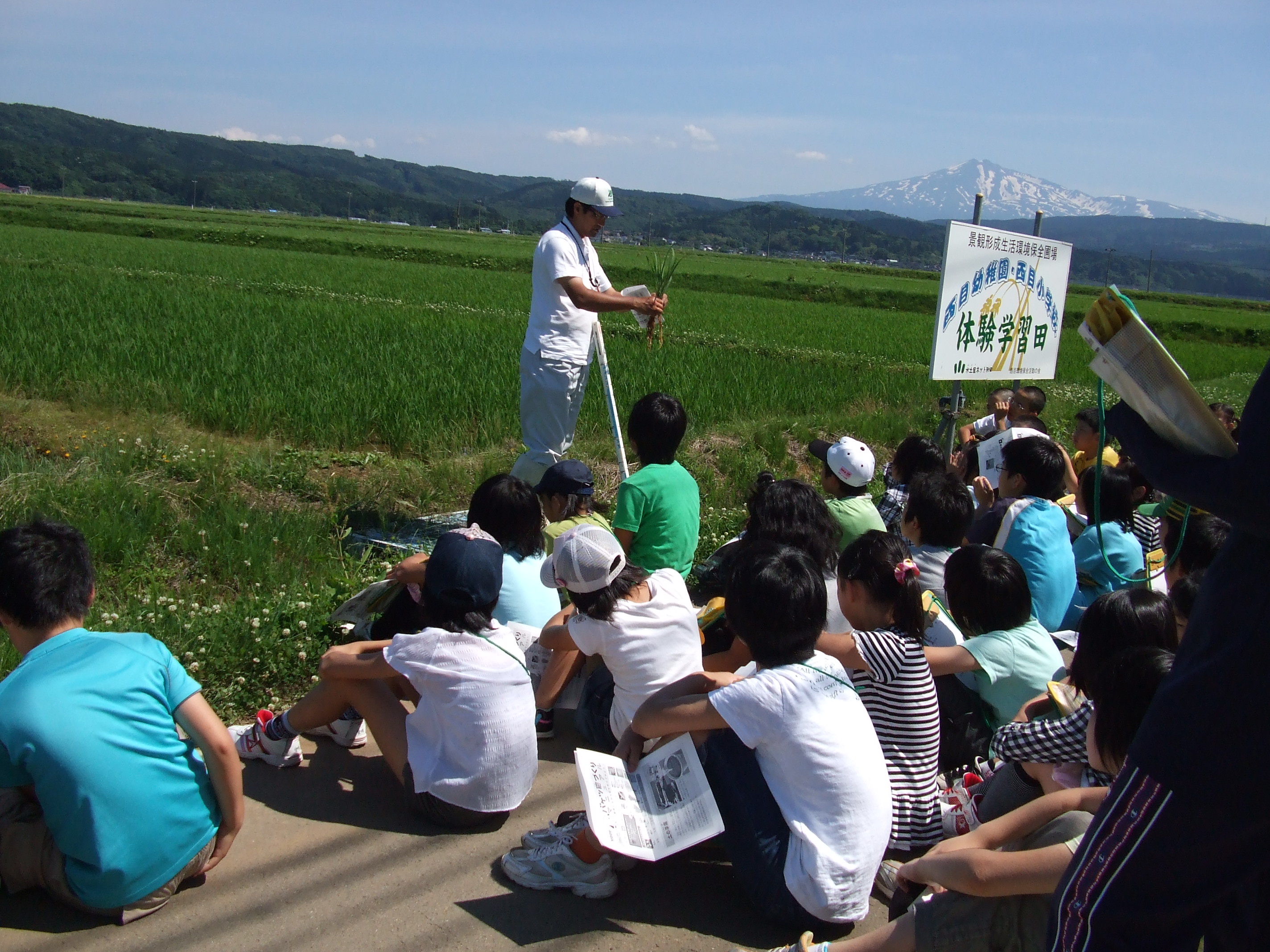
Some elementary schools in Japan have lessons in rice cropping so that students can understand the preciousness of the rice they eat every day. And after gathering rice, they cook and eat themselves. The rice they cultivated must be the most delicious.
www.city.nanjo.okinawa.jp
For the Japanese, rice is always treasured and will always be eaten eternally.
pixabay.com
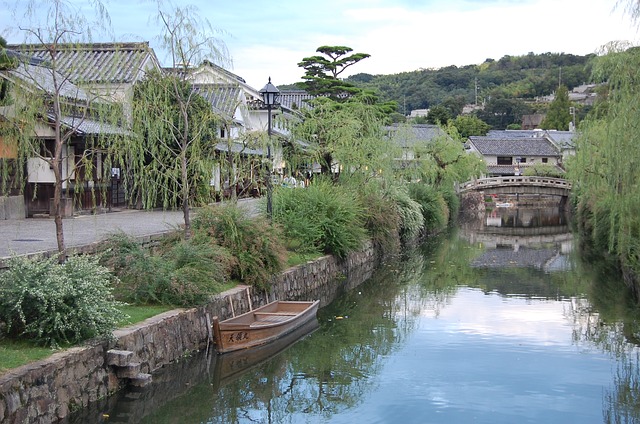
Kurashiki was one of the most important points for distributing rice. Along the canal, there are many warehouses with white walls and black tiles, which were used for storing rice. Rice was delivered here from the countryside by boat and brought to Osaka and Kyoto.
Photo by autan on Flickr
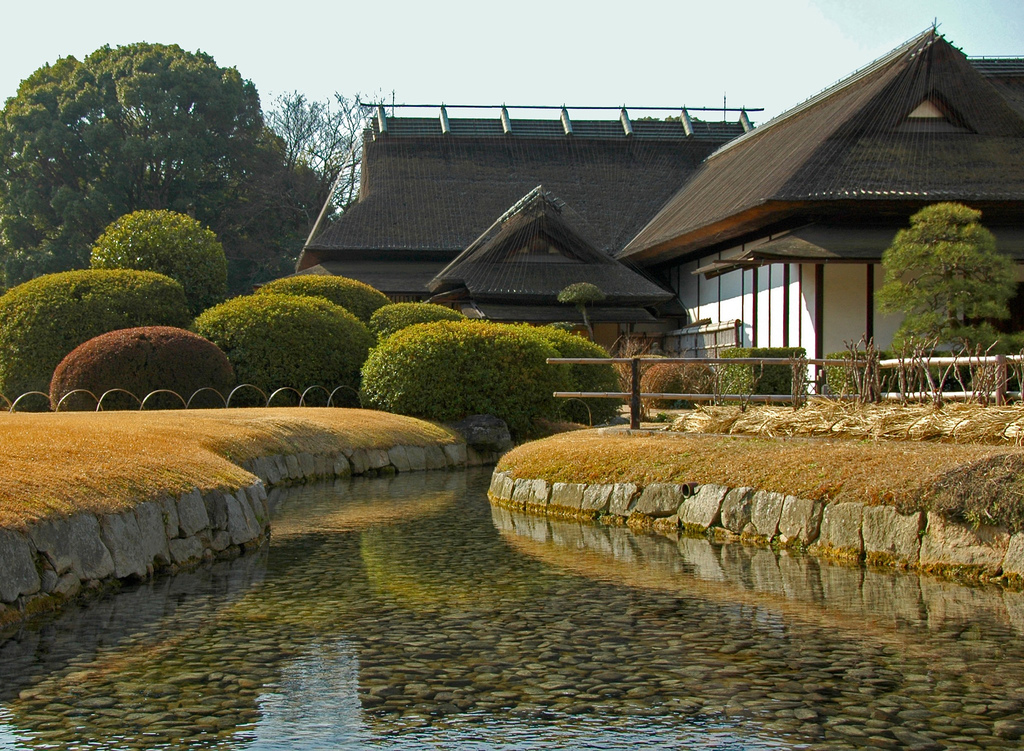
Korakuen is known as one of the three most beautiful gardens in Japan, and it was completed in 1700. The garden consists of ponds, tea houses and Edo period buildings including a stage for “Noh” – Japanese classical operas.
ja.wikipedia.org
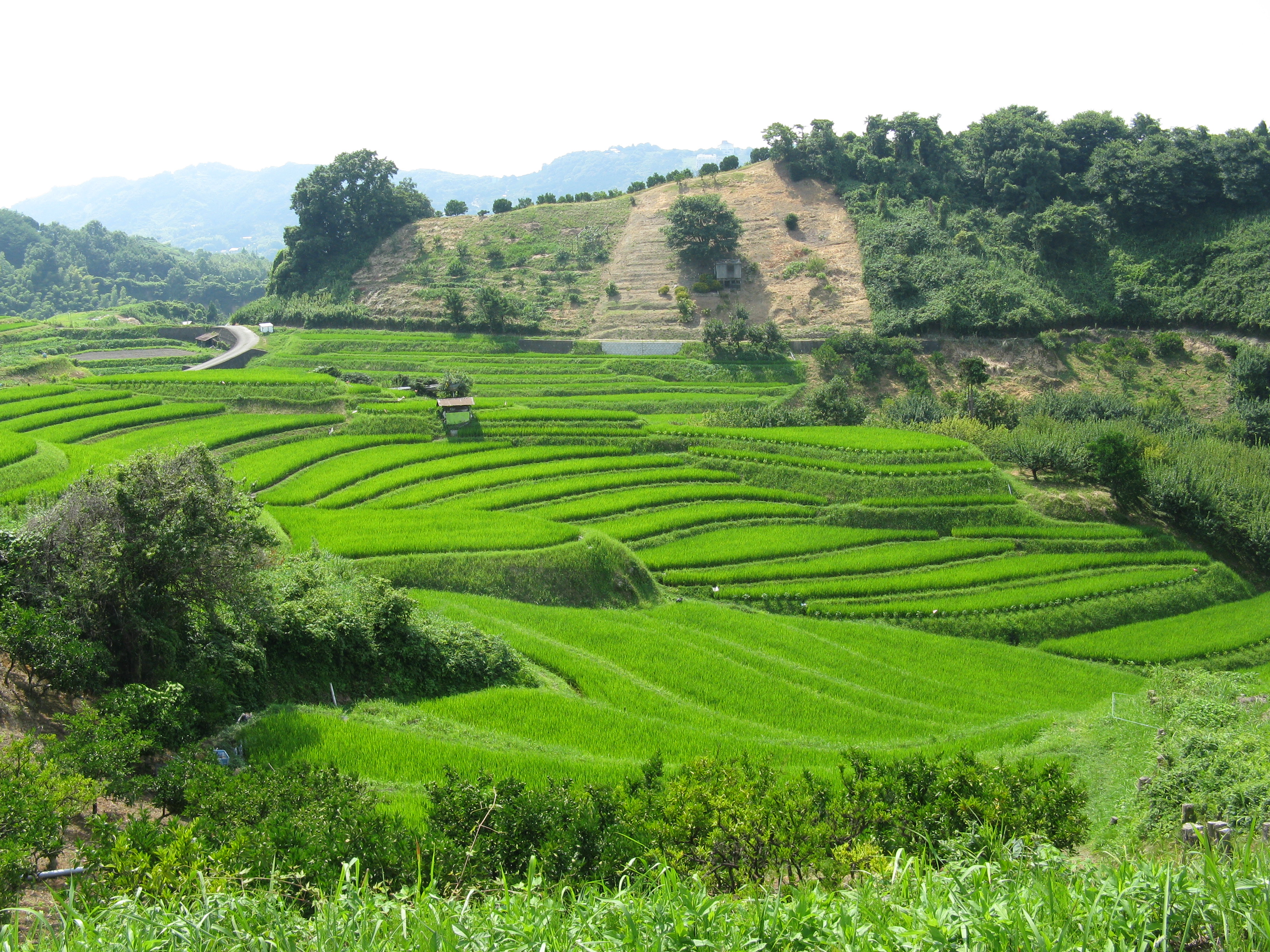
Ohaganishi Rice Terraces are located at an altitude of 400 meters, in the northwest mountainous part of Okayama prefecture. It is selected as one of the 100 best rice terraces in Japan.
Photo by PhoTones_TAKUMA on Flickr
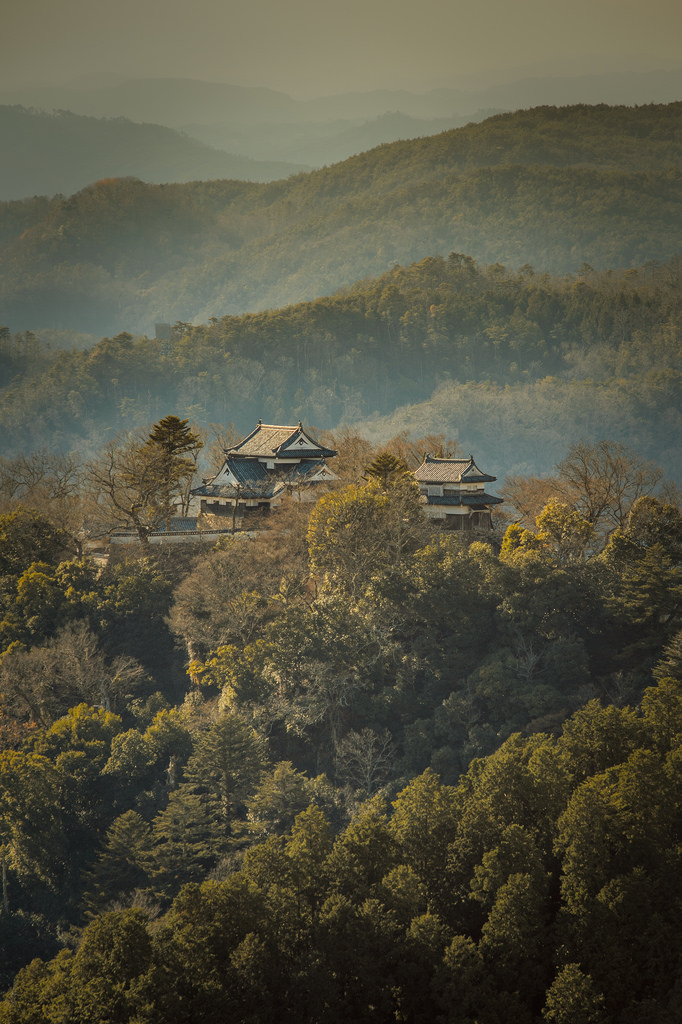
Bicchu Matsuyama Castle stands on a steep mountain in Takahashi City. It was constructed in 1240, as a defensive fortress, and is the unique example of remains of a mountain castle that survived.
ja.wikipedia.org
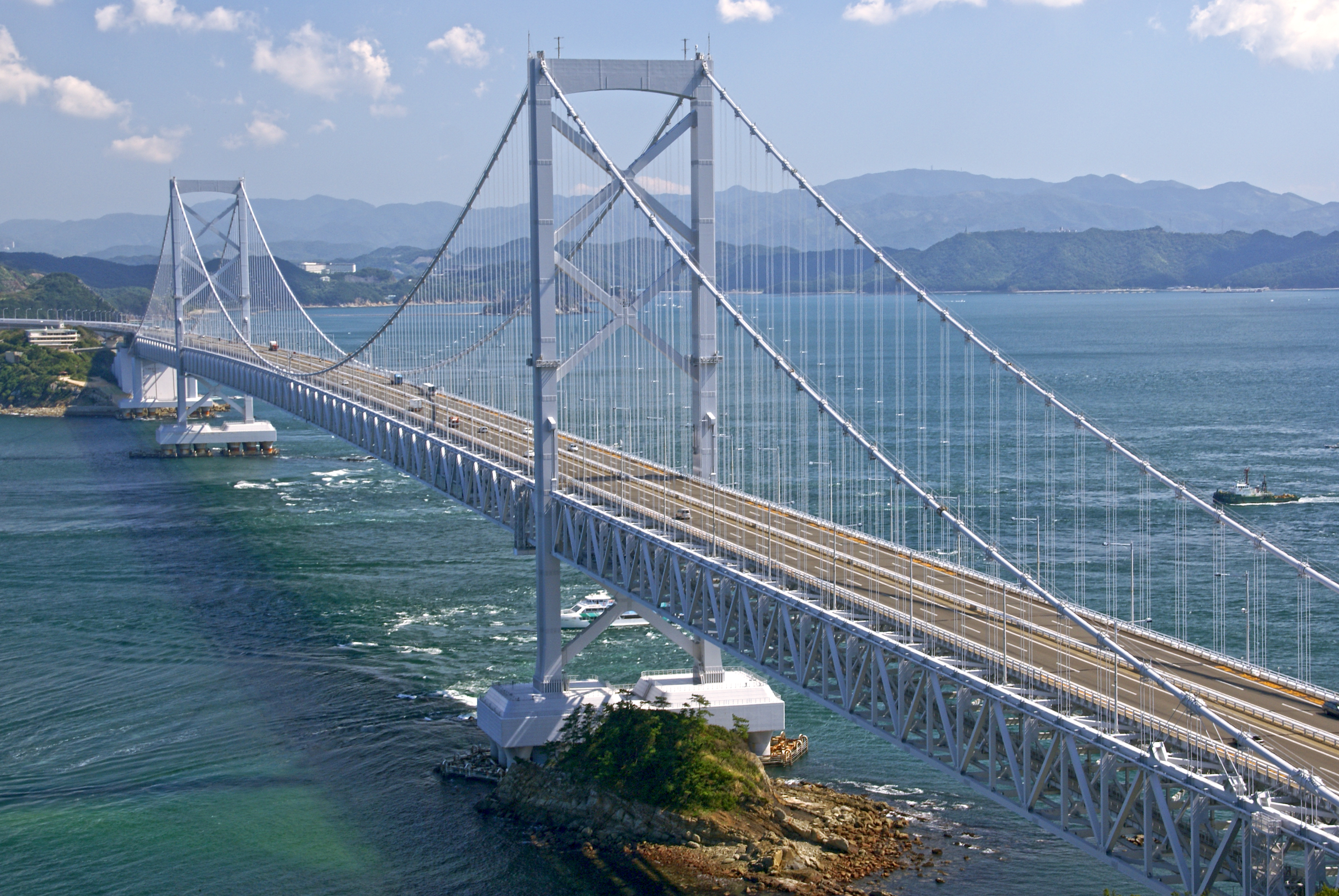
Seto Ohashi Bridge is a series of six bridges spanning five islands, and it connects Kojima in Okayama prefecture on Honshu and Sakaide in Kagawa prefecture on Shikoku. The bridge took 10 years to build, cost US$7 billion, and it was completed in 1988.
Photo by frasercgraham on Flickr
Kibitsu Shrine is located about 8 km west of central Okayama City. The main building is one of the largest shrines in Japan with a unique style – it has two gables on the roof. This shrine also has a famous 398 meter-long corridor.
Photo by cotaro70s on Flickr
Fukiya Village was a centre of red oxide produce. The red oxide was mined and used for porcelain, and they still use it for painting. Here you can enjoy the unique townscape with red roof tiles.
I, only got seven days to do Okayama.
Only seven days, not enough.
So many here.
TOP » Nature
Okayama Prefecture has a lot of beautiful landscapes, covering the northern area from the Chugoku Mountains to the plateau regions and the southern plains, with a mild climate, and faces the peaceful Seto Inland Sea. This rich variety of nature creates many region-specific cultures and histories, and gives us beautiful scenery.


There are a lot of must-see sights in Okayama, including cherry blossoms in spring time, sunflowers in summer time, and giant trees, hundreds of years old.
There are many unique and distinctive cityscapes in Okayama Prefecture, including the nationally known Kurashiki Bikan Area and Okayama Cultural Zone, scattered with many museums. Many tourists come to this area to visit this origin point of culture.


Being blessed with harvests from the sea and mountains, Okayama has had a variety of local cuisine since early times.

In season from the middle of May to November
From middle of July to middle of August
In season from the middle of May to November

In season from May to July


The food of Okayama is eye-catching and delicious, and thus it becomes a popular to give as a souvenir.
Wow~~