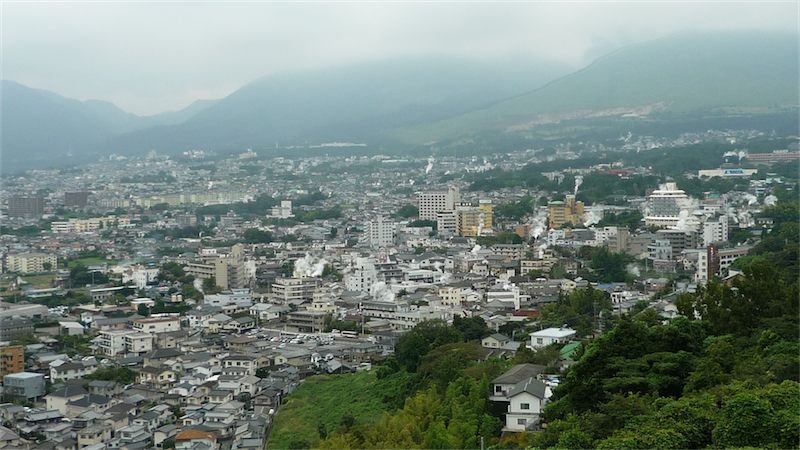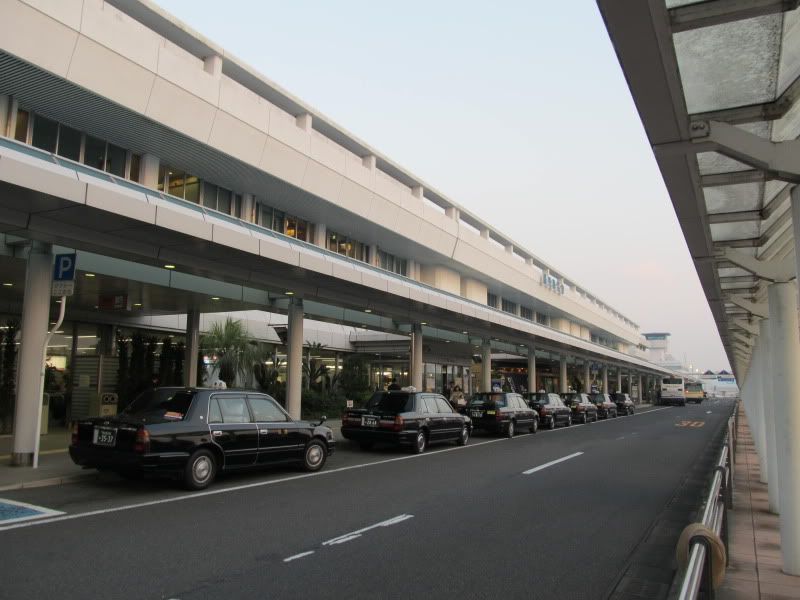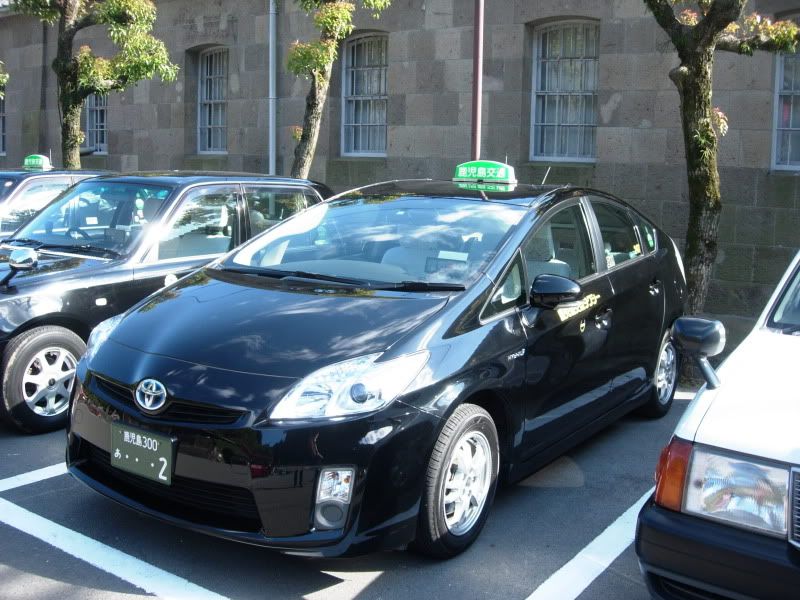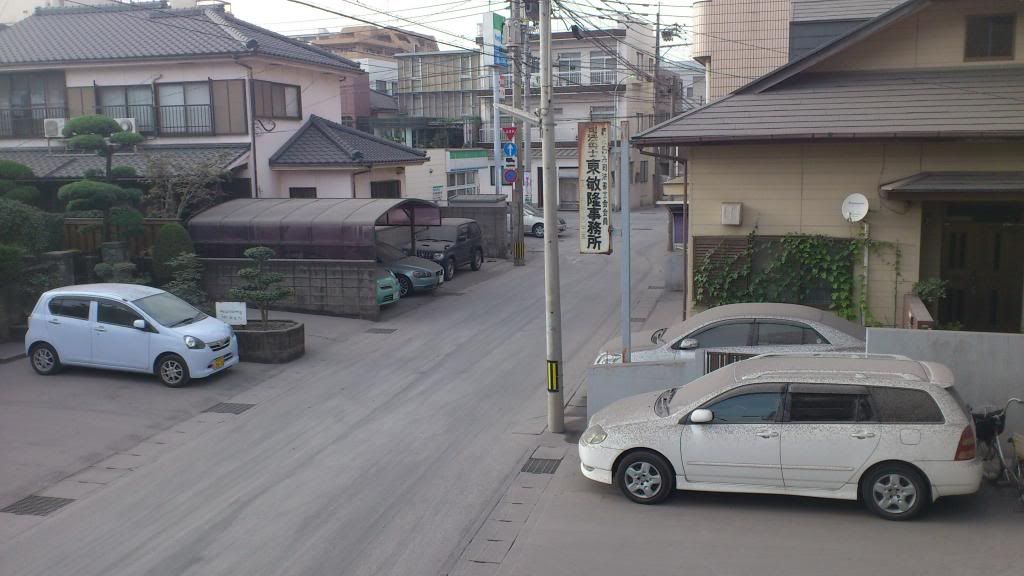
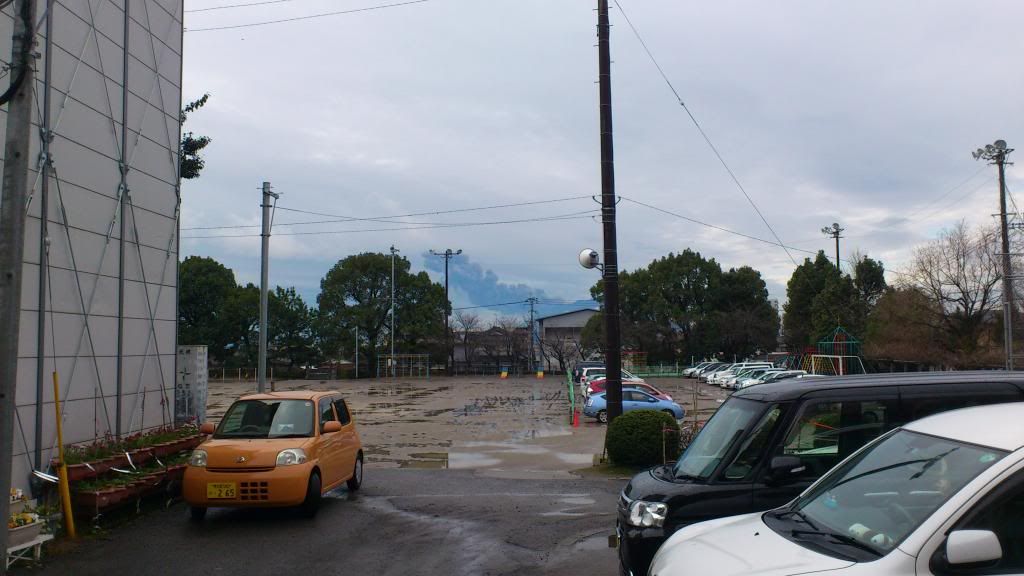
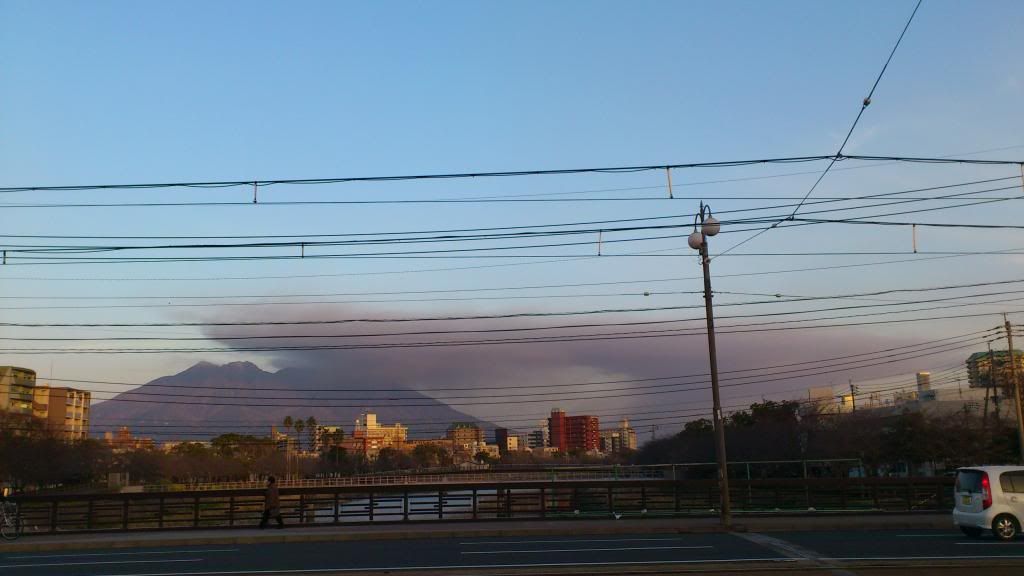
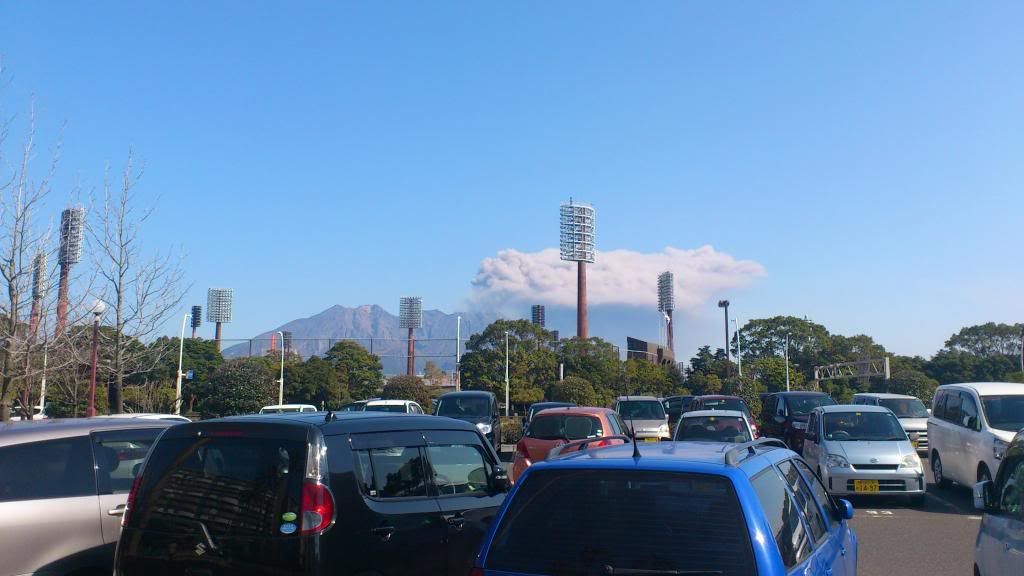


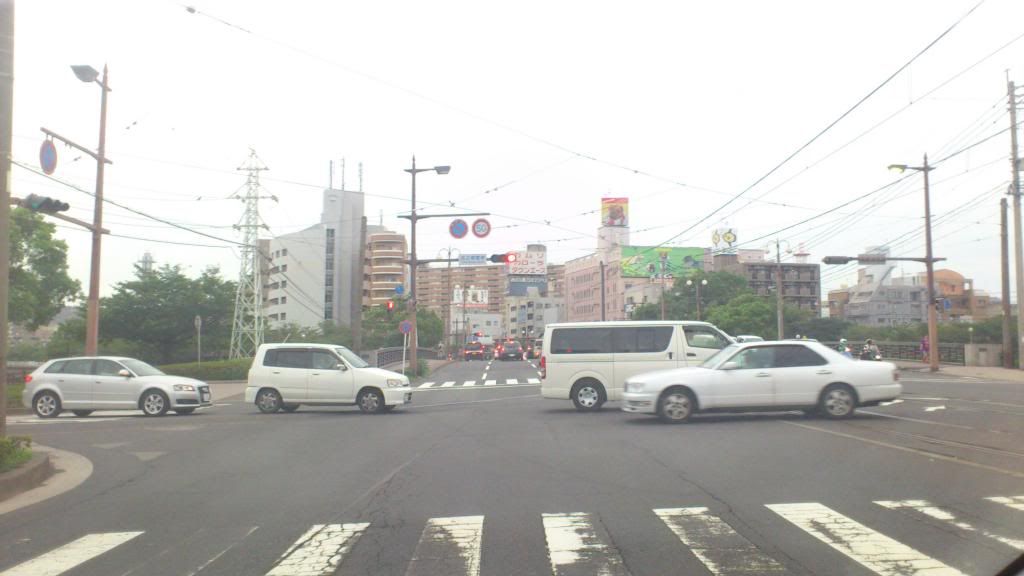
 Repeated eruptions from the Sakurajima volcano have produced large amounts of ash draping the city center Sept. 15, the Kagoshima Local Meteorological Agency said. Eruptions from the volcano overlooking the city of Kagoshima began on Wednesday morning, dumping 217 grams of ash per square meter (7 ounces per 10 square feet), the third-highest level of ash to fall since records began in 1994. Volcanic ash covered much of Kagoshima's Tenmmonkan entertainment and business district on Thursday morning, visibly forming clouds as cars drove through it and many pedestrians covering their faces with towels or surgical masks to avoid breathing it in.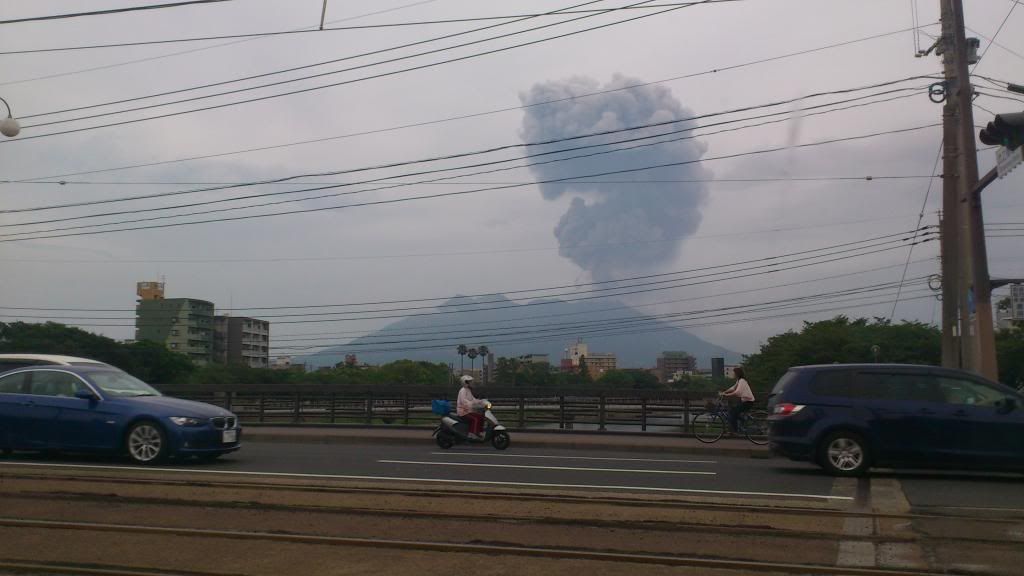


|
SOURCE: PURPLE PEN IN JAPAN
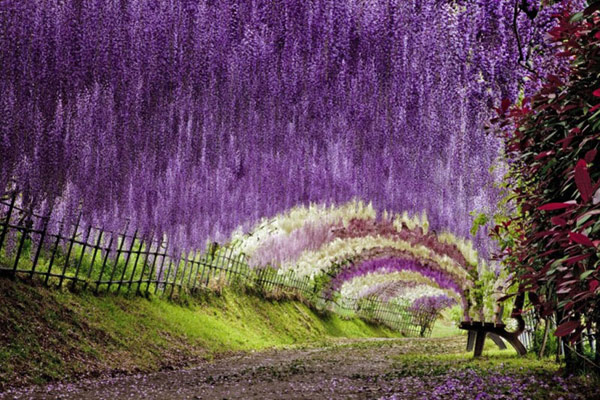
Check Yuya no Nagafuji for more details. The bus from Toyodacho Station to the temple is free. There’s no entrance fee. Last year, I went to Fujieda City, Shizuoka. There’s a Wisteria Festival in Rengeji Park until May 5th. The park is spacious with slides and play area. We visited during the Golden week and there were lots of people. The wisteria were almost at its end so its better to visit this week. Check Green Tea Club for more details. You can access this park by bus from Fujieda Station. In Tokyo, Tokyo Time Out listed several places you can visit for Wisteria. Most of the places ae in shrines and temples. However, the best places to see Wisteria are in Tochigi and in Kitakyushu. They’re quite far but the wisteria display are spectacular.
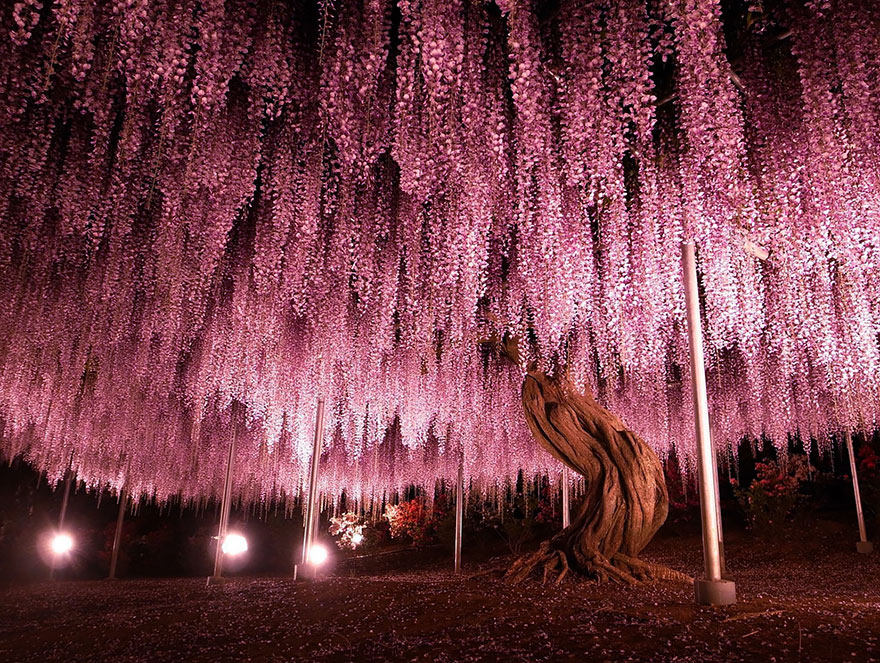
For nighttime view of wisteria in Ashikaga Park, click Myau Mayau’s Photo Gallery . To know the different kinds of wisteria, check out Ashikaga Flower Park’s official website. Should you want to go to Ashikaga Park, Yokoso Japan Tour’s website provides information. Wisteria blooms from early April to mid-May. Don’t miss this beauty!    |


Think you've encountered some out-there spa treatments? Try being slow-baked like a pie while a man with a shovel buries you in hot volcanic sand. The quest for wellbeing and beauty has taken some fairly odd turns – facial snail-slime, foot-nibbling fish, ass's milk, placenta, you name it. And Telegraph Travel is right here on the cutting edge. I bring you: the Ibusuki sand-bath.
Before coming out here I proudly told my children that I was going to Japan to be buried up to my neck in volcanic sand. Instead of the expected gasps of delight, one burst into tears and asked: "What if the volcano erupts?" The main active volcano in the region, Sakurajima, last blew its top in 1914. It dominates the skyline, puffing out blasts of ash and steam. But my destination is about an hour away, so my daughter's fears about my imminent incineration are probably unfounded.
This is Kyushu, a southern Japanese island with a balmy subtropical climate and bubbling volcanic waters surging all around. Hot-spring bathing is known as onsen. This area, in particular, is renowned for itsonsen among the Japanese, who make up more than 90 per cent of its visitors.
But only here in Ibusuki, at the southernmost tip of the Satsuma Peninsula, can you enjoy sand-bathing. Some audacious claims are made about its health benefits. Apparently it's good for lumbago, infertility, diabetes, anaemia and asthma. It also aids weight loss and "total body beauty".
If that weren't enough there's a vivid before-and-after illustration of blood colour, demonstrating the sand-bath's "detoxifying" properties. (If memory serves, it's oxygen, not sand, that makes your blood change colour. But let's not get picky – I'm here now.)


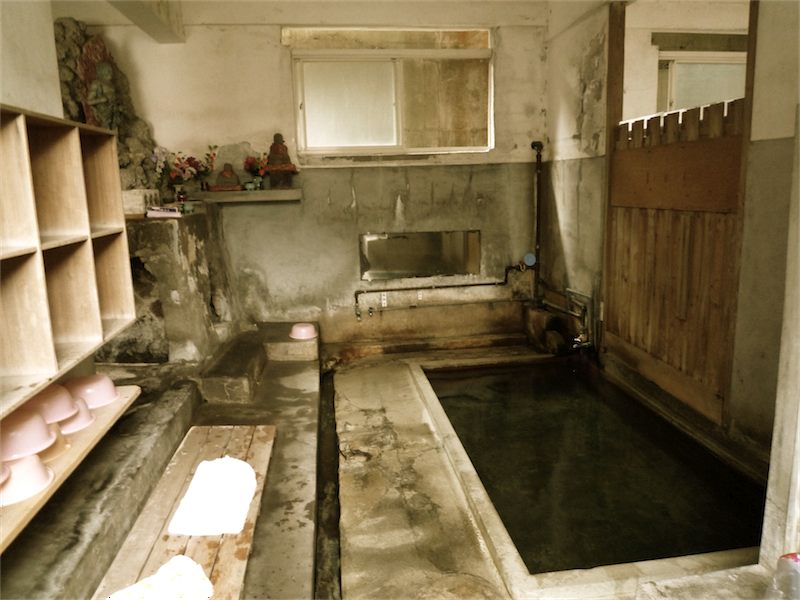
 Operated since 1986, it is capable for more than 10 people to enjoy at the same time. In 2002 a movable roof was placed for rain, as well as a lounge.


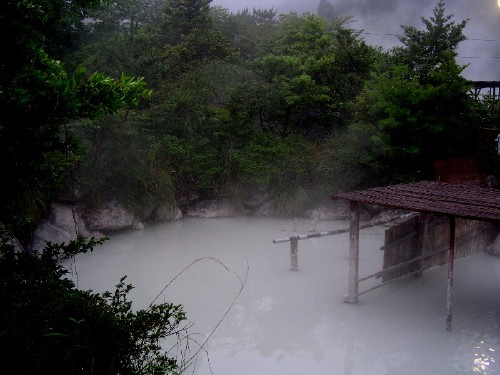
 One of Japan's four main islands and the most southerly, Kyushu was, until recently, somewhat overlooked as a tourist destination, a Cinderella to the more obvious attractions of the main island of Honshu. But travellers are beginning to go further afield: enthusiasts come here in search of the Imari and Arita pottery the area is famous for, while the more energetic go hiking, cycling and climbing. True hedonists visit the villages where rotenburo - open-air, natural hot-spring pools - bubble from the volcanic earth, drawing visitors from all over Japan and, increasingly, from abroad. Aso Station is the closest the train gets to the area; from here, I join locals on a bus that trundles for about an hour around zigzag bends into the mountains through a thick, white mist to Kurokawa Onsen, a spa village in a steep valley. Sanga Ryokan is set on the hillside, several buildings scattered among the trees. Streams tumble over boulders and find a dozen paths down the hill. Mayu, the charming, kimono-clad daughter of the house, is the sole English speaker.