|
SOURCE: JAPAN AUSTRALIA
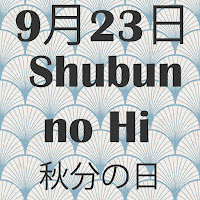
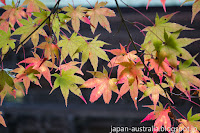 Silver Week or (シルãƒ�ーウィーク) in Japanese is called ‘Silver Week’ because it is a close second to that other famous collection of national holidays in late April and early May which is called ‘Golden Week‘. Silver is also a commonly used word that is used to describe the older generation in Japan. Respect for the Aged Day is one of the national holidays that falls in the Silver Week period, so it can be said to have a double meaning. The three national holidays that make up the five-day break of Silver Week are:
Japan’s Holiday LawsJapanese law stipulates that any workday sandwiched between two national holidays should become an additional holiday. Nice, right? This special national holiday is given the general term Kokumin no KyÅ«jitsu. Japan also has the Happy Monday system, whereby any national holiday that falls on a Saturday or Sunday is shifted to the Monday. Got to love Japan, right? The land of national holidays! The Next Silver WeekUnfortunately Silver Week is a rare occurrence that only happens when the stars perfectly align and Japan’s national holiday laws kick-in. The next Silver Week will occur again in September 2020 (September 19 -23), so make sure you make the most of this fantastic opportunity if you are in Japan. Silver Week is a popular time to travel in Japan and to get outdoors to enjoy the beautiful Autumn weather. We have a Sports Day (é�‹å‹•ä¼š) to attend today in Gifu. |
What does this phrase mean to you? I visualize three monkeys acting out this saying, ironically being called “wise”. I have always associated this saying with ignorance – the lack of acknowledgement of wrongdoings. I’ve seen it on non-profit organization T-shirts for social justice, and even historical war posters using propaganda to lure people into action.
When I heard that the original depiction of these “Three Wise Monkeys” was in Nikko, the righteous side of me stirred to go see it, maybe to snap a photo and upload it on Facebook with a deep, profound quote.
Alas, after a long train ride from Tokyo, I reached my destination, the Toshogu Shrine, and was amazed by this vast, vibrant group of artistic structures. Nikko boasts the most lavishly decorated Shrines in all of Japan. My eyes transfixed on the stunning 5-story Pagoda, and my feet became anxious to cover all of the grounds. Now, where were these monkeys?
 Photo by Daniel Incandela
I passed through colorful gates and admired the intricately detailed work on all of the structures. In the Honjido Hall, I gawked at the amazing “Crying Dragon” portrait that commanded the whole ceiling. I squealed at the cute Nemurineko or “Sleeping Cat” on the Sakashitanou Gate. I gave reverence to the dignified burial grounds that Tokugawa Ieyasu, the founder of the Shogunate responsible for Nikko’s thriving years.
After an hour on the grounds, I had to stop and ask someone about the monkeys. It turned out that I had missed them near the entrance… on one of the storage houses. What an odd place of origin, especially considering the monkeys’ popularity. I had expected that they would be more significantly showcased. The work isn’t even its own entity; it’s part of an 8-panel story. I quickly learned that out of context, the meaning of the “Three Wise Monkeys” that I have come to know is actually misinterpreted.
 Photo by Denys Zlobin
To clarify, the story represents the cycle of human experience, which includes childhood to the trials and tribulations of adulthood, and then back to giving birth. The “Three Wise Monkeys” can be found on the second panel, and actually represent innocence rather than ignorance. Children should see no evil, hear no evil, or speak no evil because, as the panels that follow show, they will encounter struggles as they grow up anyway. Childhood is a precious, fleeting time and once innocence is lost, it is lost forever.
The way I’m describing the above depiction is still probably more philosophical than it needs to be. Or perhaps, every artwork in this Shrine has profound meaning that has been overlooked by the public. I still wonder how these monkeys became so well-known to enter the general psyche. Nevertheless, the “Three Wise Monkeys” artwork is just the tip of the iceberg at the Toshogu Shrine’s incredible tribute to its beloved leader.
Access:
Toshogu Shrine, 1300 yen entrance fee, open everyday 8:00-17:00 (closes at 16:00 from November-March)
Use JR Nikko Line or Tobu Nikko Line. From Nikko Station, several buses head to Toshogu Shrine and other places of interest.







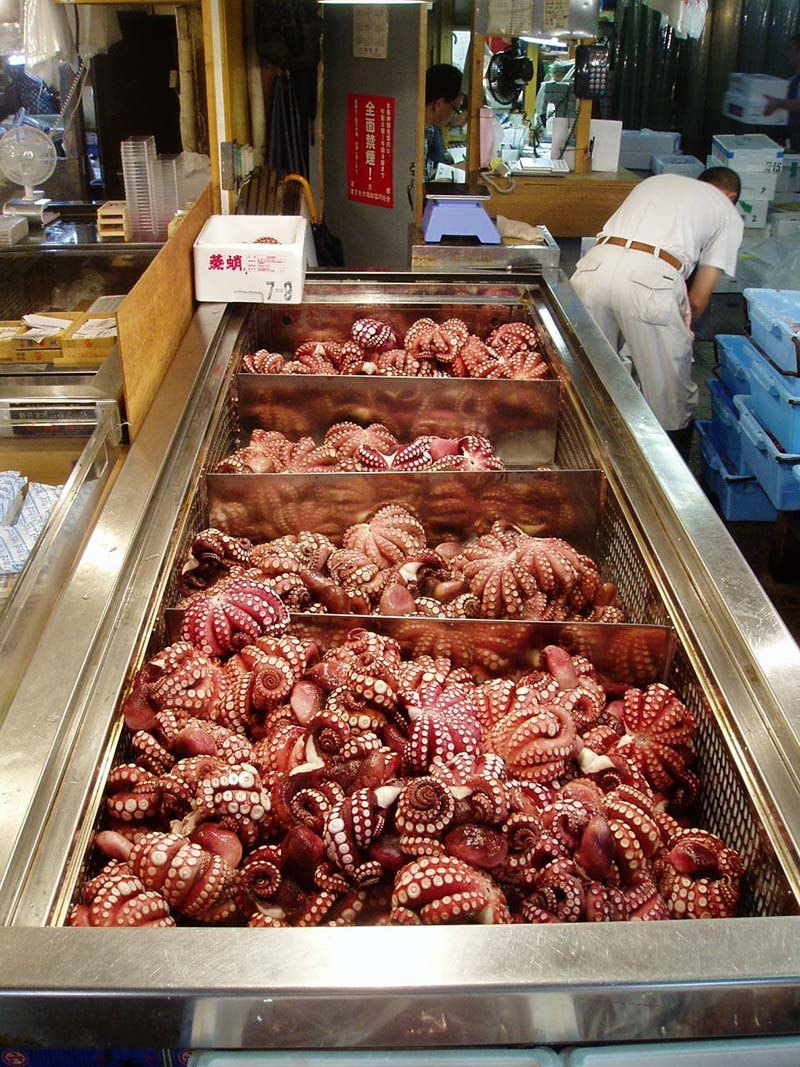
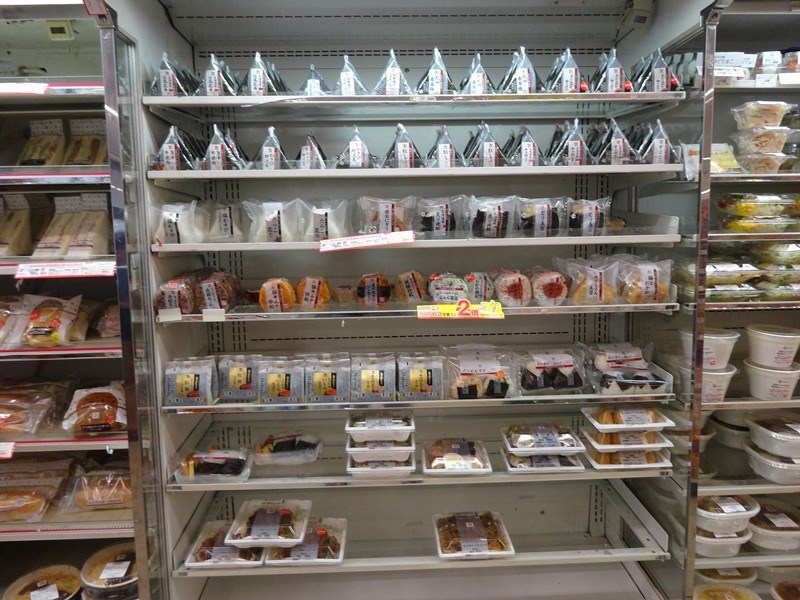










 We’ve seen some pretty crazy and colorful food here before on RocketNews24. We’ve witnessed