: Yunohira is a small peak 373 meters high, and is located about 2.5 km west of Kitadake peak.
 : Kurokami is a district on the east side of Sakurajima.

 : The museum introducing Meiji Restoration around 1868 and Satsuma Domain.
 : The bronze statue of Toshimichi Ookubo.
 : The ruin of Shimazu family's villa and its Japanese garden.
 : The promenade along Kagoshima Port.


It snows in the southern country! Sakurajima Island in winter

The winter monsoon that blows in from the East China Sea brings snow into the usually warm Kagoshima City. Seeing Sakurajima Island covered with snow is a winter tradition in Kagoshima City.

 Yunohira Observatory(top) and Arimura Lava Observatory in a field of lava
Sakurajima Island has one of the most active volcanos in the world. The mountain has three main peaks: Kita-dake, the northern peak which stands at 1,117m tall, Naka-dake, the middle peak standing at 1,060m and Minami-dake, the southern peak which reaches 1,040m. The “Yunohira Observatory”, located in the forth station of Kita-dake, is the closest place to the crater that is accessible to the public. Here you can see the marks of volcanic activity carved into the rough surface of Kita-dake and in the field of lava rocks strewn below.
“Arimura Lava Observatory”, located at the foot of Minami-dake, is a place where you can actually feel the volcano. You can hear the rumbling of the crater and see the unusual scenery woven by the field of lava rocks and black pine trees.
“Sakurajima Visitor Center” is a mini museum where you can experience the history of Sakurajima Island and understand the mechanism of a volcano through high-definition monitors and dioramas. The center sells souvenirs that you can only find in Sakurajima Island, such as bowls of Sakurajima Yoganyaki-ware. Be sure to stop by when you visit Sakurajima Island.
The volcanic island which is home to both the largest and the smallest in the world.
Sakurajima is home to about 4,500 people who co-exists with a volcano; a rarity in this world. Making use of the unique features of the land, the people of Sakurajima are growing the largest and heaviest Japanese radishes and one of the smallest kinds of oranges in the world.

The heaviest Japanese radish in the world is “Sakurajima Daikon”, which grows large in heavily pumice-laden soil. The Guinness World Record holder weighs 31.1kg (about 68.6 pound) and measures 119cm (about 46.8 inches) around the middle.
One of the smallest kinds of oranges in the world is the “Sakurajima Komikan”, which can be as small as 5cm (about 2 inches) in diameter. Despite their size, they are very sweet and grow abundantly. Several hundred kilograms of these can be harvested from a single tree from late November to late December.

Enjoy running with the beautiful scenery of Sakurajima Island

Every December, participants can take part in the popular “Running Sakurajima” event. There are 3 courses: 5km (about 3.1 miles), 10km (about 6.2 miles) and half marathon. All courses are fully-equipped with a first-aid station, so even beginners can enjoy running safely.
The “Kagoshima Marathon”, which will be held for the first time on March 6, 2016, is “a marathon race to feel everything about Kagoshima”. The race runs along Kinko Bay and through Tenmonkan, the biggest business street in southern Kyushu, and “Shuseikan”, a World Heritage Site. Both of these events will be accepting applications for their next race this summer. Applicants from overseas are welcome.
Let’s go see 10,000 cranes!


When visiting Kagoshima in winter, head a little outside of Kagoshima City to see 10,000 cranes. The Arasaki area in Izumi City is located about 25 minutes from Kagoshima-Chuo Sta. by Shinkansen and is home to one of the largest populations of overwintering cranes in the world. Cranes start arriving around late October when the rice farming season ends, and by mid-November the rice paddies and vegetable fields along the ocean are filled with over 10,000 cranes, including hooded cranes and white-necked cranes.
The Izumi City Crane Observation Center is open for a limited time every year from November 1st to the 4th Sunday in March. The Centre helps visitors get up close to observe the ecology of cranes and watch them dance and eat. At “Izumi City Crane Museum, Crane Park Izumi”, you can learn about cranes and the relationship between cranes and humans. From December 1st to the end of February, a sightseeing bus runs between Izumi Sta. and both the Observation Center and the Museum. A discount ticket set (adult 1,000 yen) is also available.

Izumi City is located near the boundary between Kagoshima Pref. and Kumamoto Pref. and many country samurai (warriors who were engaged in farming during peacetime) lived there during the period of the Satsuma Domain. Today their residences remain exactly as they were at that time. Many tourists take advantage of a tour package which includes both a walking tour of the town and a tea ceremony in kimono (5,500 yen). The package has the added benefit of including a kimono and an obi (a belt) as a present.
 Take a sightseeing tour around the town in an ox-drawn carriage
See frost-covered trees in Kirishima Kogen Highland
 Frost-covered trees of Mt. Karakuni
In the Kirishima mountain range that spreads over the boundary between Kagoshima Pref. and Miyazaki Pref., you can sometimes see frost-covered trees between December and March.
Mt. Karakuni (1,700m) is especially famous for frost-covered trees and is a highly popular destination for trekking courses in the winter. The area around Lake Onamiike (1,241m), the highest crater lake in Japan, is also famous for frost-covered trees and the path to the top of the mountain is well maintained, making it easy for beginners to hike up the trail.
 Lake Onamiike surrounded by frost-covered trees
The area around the “Ebino Eco Museum” in the Ebino Kogen Highland on the west side of the Kirishima mountain range is another famous spot for frost-covered trees. If the conditions, including the temperature and fog, are right, you can see frost-covered trees after a 5 to 10 minutes walk from the museum. You do not need hiking gear as long as you have a snowsuit. There is a bus that takes you to Ebino Kogen Highland from Kirishima Jingu Sta. on the JR Nippo Line.

The Takachiho Farm at the foot of the Kirishima mountain range is highly recommended for families. You can see cows and sheep in a vast natural setting and experience milking and making butter.

Hitsujigaoka Observation Deck, which commands a view of Sakurajima Island and Kinko Bay on a sunny day, is a popular spot for couples. The saying goes that any couple who sees Sakurajima Island from the observation deck will be together for a long time.

The huge camphor tree in the Kamou Hachiman Jinja Shrine in Aira City next to Kagoshima City is lush and green even in the winter. This tree, estimated to be 1,500 years old, is the biggest camphor tree in Japan, at 30m tall and measuring 24.2m around the trunk. The spot where it grows is known as one which flows with mystical energy.
Let’s go to see the spring flowers a step ahead!
 Rape blossom field by Lake Ikeda
Although it does snow in the winter, Kagoshima is still the southernmost prefecture of mainland Japan. Spring arrives early and you can enjoy a variety of spring flowers from late January to April and May.
The area around Mt. Kaimon, which is called “Satsuma Fuji” because of its beautiful shape resembling Mt. Fuji, is a famous spot for rape blossoms and the entire foot of the mountain is awash in yellow in January and February. The rape blossom field by Lake Ikeda, the biggest lake in Kyushu at 15km (about 9.3 miles) in circumference and 233m (about 764 feet) in depth, is a great place for photos.
 White-eye sucking the nectar of Taiwan cherry blossoms
There are 14 flights per day from Kagoshima Airport to Amami Oshima. In early January, Taiwan cherry blossoms with gorgeous deep pink flowers start to bloom and in February you can enjoy flower-viewing in the “Amami Natural Forest” in Tatsugo Town.

“Yoshino Park” in Kagoshima City is a flower park with about 70,000 trees. Of the 140 different kinds of trees there, about 800 trees make up 12 different kinds of cherry blossoms. Cherry blossom viewing starts as early as February and lasts until May, but the peak viewing time is in early April. The contrast between the late-blooming cherry blossoms and colorful azaleas is quite vivid.
 The cherry blossoms of Isoyama are only open to the public during cherry blossom season
“Isoyama” is situated next to “Sengan-en Garden (Iso-Teien)”, a popular tourist spot in Kagoshima City, and is only open to the public during the cherry blossom season. This garden of cherry blossoms has been carefully protected since the times when samurais ruled (12th century – 19th century).

The last of the spring flowers to bloom are the Kyushu azaleas, which bloom on a high mountain in Kyushu. The best time to see them is from late May to early June in Ebino Kogen Highland and from early June to late June at the top of Mt. Karakuni.

Yakushima Island is a place where you can fully enjoy the rich and beautiful nature and is registered as a World Natural Heritage Site. It is situated 60km (about 37.3 miles) to the south of the southernmost tip of Kyushu. Almost all the areas of Yakushima Island are mountainous and the climate is vertically distributed. Mountaintops, such as Mt. Miyanoura (1,936m) (about 6,351 feet) the highest peak in Kyushu, are cool temperate zones where the temperature is lower than that in the northern areas of Sapporo in Hokkaido. Conversely the foot of the mountain is essentially a subtropical zone.


 “Chomeiji” (right) popular in Kanto region and “Domyoji” (left) widely known in Kansai region


 Macaroon (left), chocolate (center), chiffon cake (right)


 Sushi School


 “Ikomochi” (left) and “Fukurekashi” are sweets used for celebrations


 The garden of Sengan-en that has skillfully incorporated natural scenery


 Japan’s oldest Western-style machine factory in existence / (C)K.P.V.B
 The remains of a reverberating furnace that was used for melting iron at high temperatures and making cannon barrels
 Used at the Kagoshima Spinning Mill, which was the first Western style mechanized spinning factory in Japan.
 A foreigner’s residence that an English engineer lived in
 Satsuma Kiriko glassware giving off a magnificent brilliance
 The process of cutting Satsuma Kiriko glassware


 A “Rokugatsudo” lantern festival dedicated to Nariakira Shimadzu at Terukuni Shrine / (C)K.P.V.B


 (C)K.P.V.B


 (C)K.P.V.B


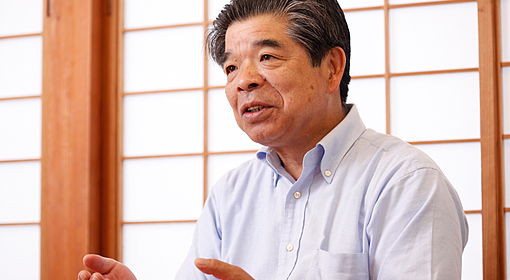 Hamada Howa's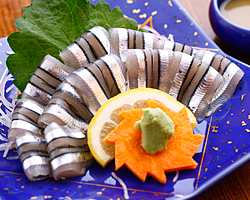
 Sashimi of fresh banded blue-sprat is shining in silver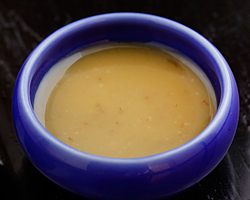
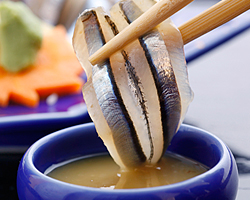 Sashimi is get in the vinegared bean paste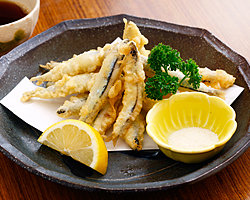
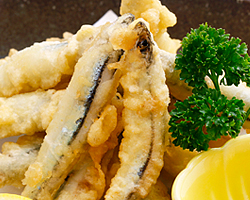 Eaten whole "tempura of banded blue-sprat"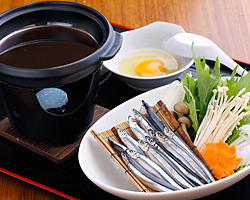
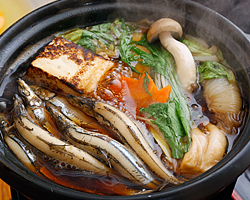 Thing with the "Kibisuki" of Akune enter vegetables three or more
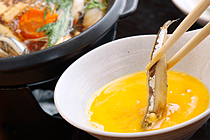
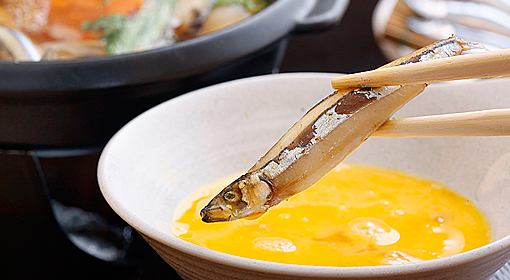 Once through the moderately fire, if allowed preferably under the beaten egg

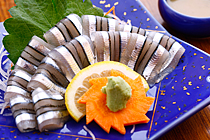

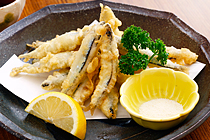


 Taste of banded blue-sprat continue to tell from 1964
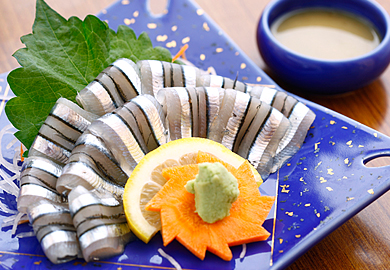 Shining is only wound To Quruli "banded blue-sprat sashimi" 1,000 yen. Get in the vinegared bean paste






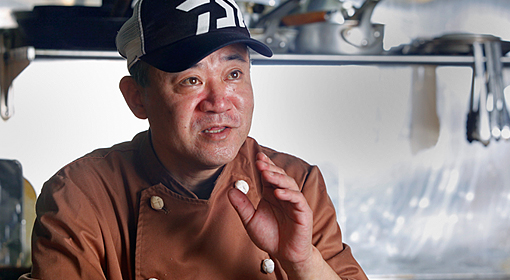 Yusuke Harada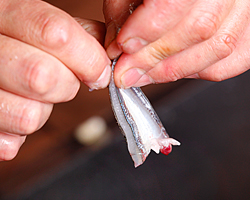
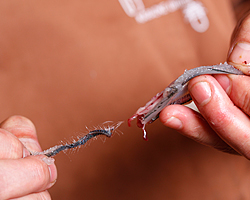 Sashimi of the banded blue-sprat is, drop the head, take the bone fielding by hand
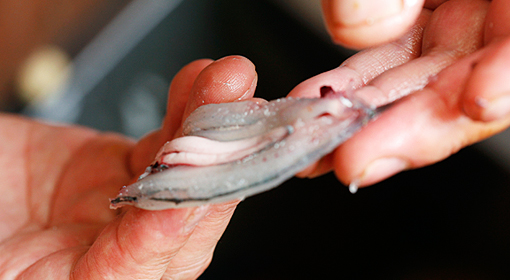 Leave a milt and Mako tore from the back to the spawning season of spring and summer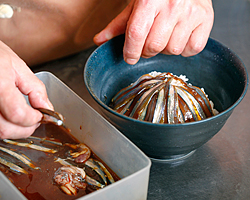
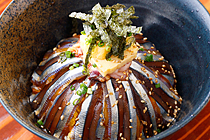
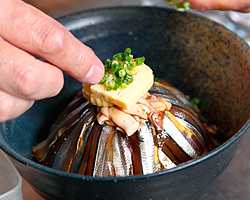 Make in what was to pickled banded blue-sprat that judge "banded blue-sprat bowl"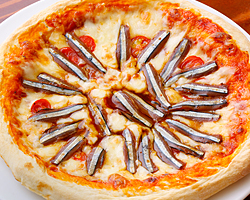
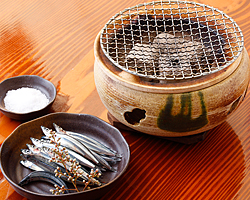 "Kibinagopiza" and "charcoal-grilled of banded blue-sprat"
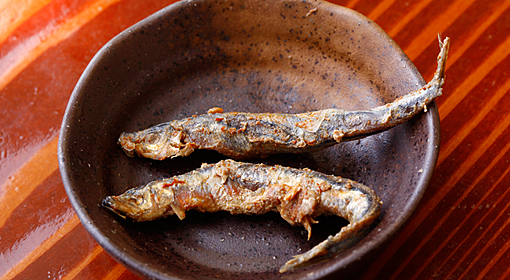 "Salted banded blue-sprat" delicacies. Things to offer from ask them to taste a few animals as shown in the photograph (500 yen dish 1)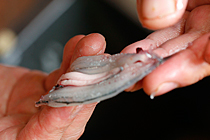
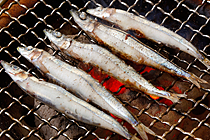
 Highest in the taste of the banded blue-sprat fresh steamers Island
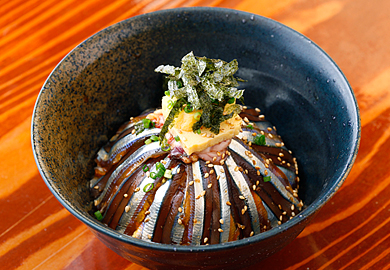 "Your bowl of millet of steamers" 1,000 yen. Put on top of the rice in the pickled banded blue-sprat that judge morning.



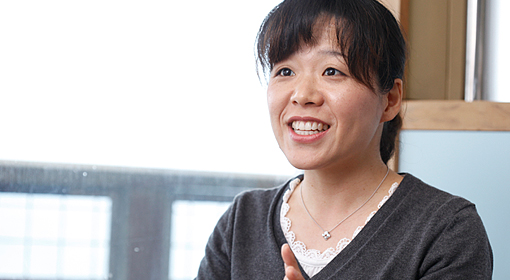 Hirano Shihomi's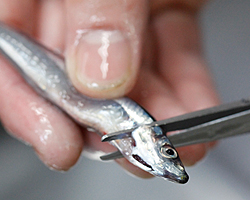
 When the sashimi, cut the head and tail first with a pair of scissors
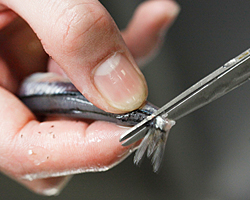
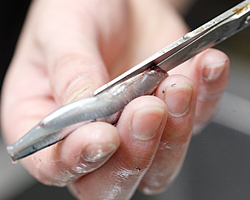 Wash well take the internal organs tore belly with scissors
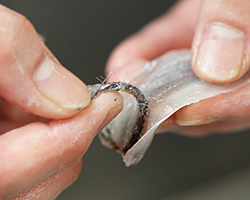 Remove the spine open in finger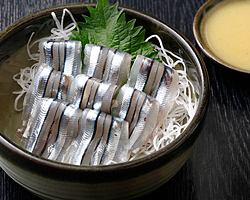
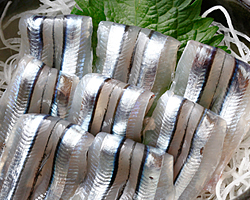 Completion of sashimi
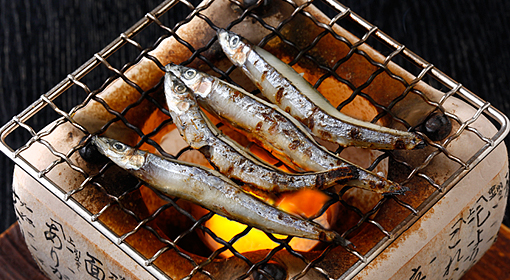 Bake in the audience itself "banded blue-sprat grilled"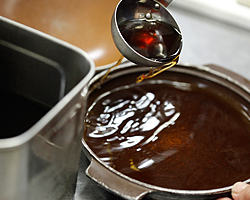
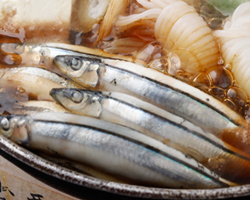 Cook with lots Warishita can dolls each vegetables dried bonito "Kibisuki"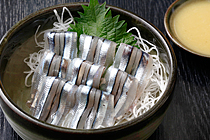
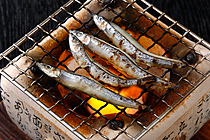
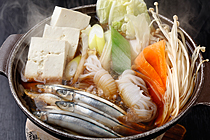
 With views of the East China Sea Itadakukibinago
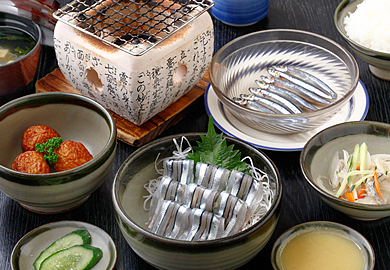 Banded blue-sprat sashimi and millet make your grilled can eat "Kibinagogozen" 1,050 yen.Banded blue-sprat sashimi and millet make your grilled single item of yen each 262.