Sakura blossoms are a truly iconic aspect of Japanese nature and culture. The short time for which the petals bloom is a coveted sight in Japan and thousands of people flock to see this brief spectacle. Although the flowers may only last for a mere few days their beauty is second to none. It is therefore not surprising that many tourists wish to experience the sakura blossom too, myself included! However, this can prove more difficult than you might think. As the blossoms only do last for a few days there is a small window in each area when you can see them at full bloom. Also, due to the differing weather patterns every year, the trees will reach full bloom at a slightly different time.

So how can you plan to see sakura bloom when they are so fickle? Hedging your bets and studying the previous year’s date is a good place to start. If you like planning ahead, you are going to need to do some research. The start of the sakura season in each area is usually decided by a single tree which shows the beginning of the bloom in that area. The type of sakura tree that is used for this forecast is somei yoshino, the five-petaled flower.

So when you see a forecast or a report from a previous season, the full bloom dates will be when the nominated somei yoshino came to bloom. This is a good way to show the start of the season, although there are a variety of blossoms that do flower earlier. One stroke of luck is that there are also other blossom trees which flower later than the somei yoshino. This means that is you miss the full bloom of this variety, waiting a few days can mean that different sakura trees come to full bloom, for example, the Yaebeni Shidarezakura. This tree has more petals than the somei and is also much pinker in colour. These tend to bloom later so it gives you a chance to catch some blooms even if you have missed the true date of the full bloom.

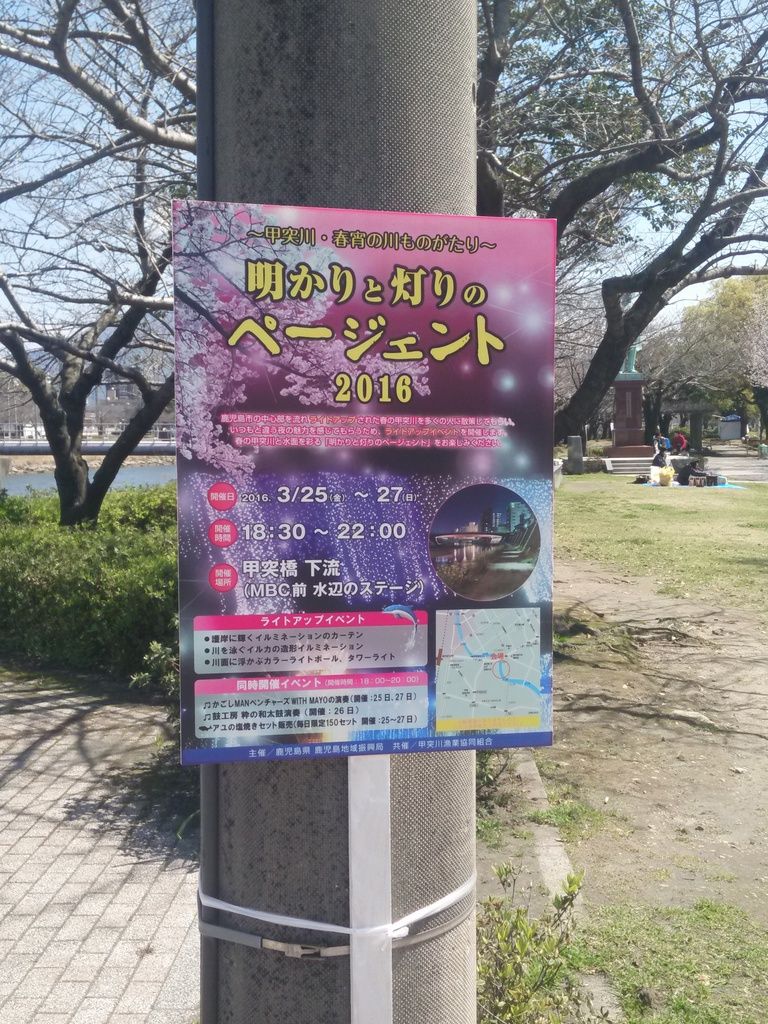
For 2016, the website Sakura Weathermap has begun its predictions for the cherry blossoms. Not only do they have the dates for when the trees will begin to bloom, they have sections for each main city in different regions of the country. These pages include the best dates to view the sakura as well!
On the Sakura Weathermap website, the dates are only provided for the southern half of the country so far. The dates for some of Tohoku and Hokkaido have not yet been provided. But for those of you hoping to make a trip to Tokyo, Nagoya, Osaka, Fukuoka and all surrounding regions, you are in luck!
In the Fukuoka area, blooming will begin around March 25th. The best time to view the blossoms will be from March 31st until April 8th.
For Osaka, Kyoto and most of Kansai, the blooming begins a bit later, on March 29th. The best time to view these blossoms will be between April 4th and April 10th.
As for Nagoya and Tokyo, the sakura will begin blooming on March 26th. The best viewing opportunities for these two cities will be April 2nd-9th and April 2nd-7th respectively.
For exact blooming details for 2016, you can check this article which has dates for each region of the country. You’ll know exactly when the beautiful blooms will reach your city! There is also a list of places to visit in each region during the season.

Going to different parts of Japan can change the full bloom date considerably. The sakura front, the line of blooming trees across the islands of Japan, begins in the most southern islands of Okinawa around January/February time. The front then moves up through the Japanese islands finally ending in Hokkaido in May. This gives you around three months to fit in your trip to see the blossoms. Of course, there may be a particular location where you want to see the trees in bloom, for example in Tokyo, Kyoto or around the Mount Fuji area. If you want a specific shot or to see them bloom in a specific location, for whatever reason, this narrows down the time you should visit. Of these three areas, Kyoto gets the blossoms first as it is further south than Tokyo. One of the earlier locations to get full bloom in Kyoto is the iconic Kiyomizu-dera complex, so arrive early if you want a snap here. The blossom in Kyoto can last until the middle of April if you want to see the later blooming varieties at Heian Shrine.

For Tokyo, the tree which starts the season is at Yasukuni shrine. The blossoms here usually begin at the start of April, or in earlier years at the end of March. For earlier varieties try Koishikawa Korakuen. For a later season visit Koganei Park and see the Shirayuki which tend to bloom later. Many people wish to see the blooms against the backdrop of Mount Fuji. Here the season starts later than both Kyoto and Tokyo due to the altitude and mountainous location, this is usually around one week after full bloom in Tokyo. Again there are different places around the area to see the blossoms, for example Chureito Pagoda is usually in full bloom before the trees on Kawaguchi lake, due to the altitude and also the type of trees that are there.

Normally, no matter what part of the country you are in if you plan to go to a park or other area that is famous for sakura, it’s best to plan ahead if you hope to make a day of it.
Arrive early if you want to get a spot under the trees with your family or friends, otherwise, you spend a lot more time walking than you may have wanted to. You may also end up choosing a spot that’s much further from the cherry blossoms than you hoped. You also want to make sure that you are allowed to sit in the spot you have chosen! If you don’t find any people, there may be a reason why.
If you are hoping to have a very Japanese-style hanami, there are some essentials every blossom viewer needs to bring! First, you’ll need something for you and your group to sit on, so be sure to bring a picnic sheet. You can normally find these at any convenience store during the hanami season. Also, if you want to have a hanami picnic, as most people do, you’ll have to buy your food, drinks and utensils beforehand and make sure to have something you can easily bring them in.
Not all places have trash cans either, although some do during the popular visiting seasons, so be sure to bring a bag to keep trash just in case!
Early spring can still be a bit cold in Japan, so it’s best to dress warmly if you will be outside for a large portion of the day. If you wear the right clothes, find a good spot and enjoy a delicious lunch with friends while taking a plethora of sakura pictures, you’ll have a great time!
You can also check here for more do’s and don’ts of hanami.
Three excellent places to view an abundance of cherry blossoms are Tokyo’s Ueno Park, Kyoto’s famed Kiyomizudera and, of course, the area surrounding the legendary Mount Fuji.
Ueno Park
If you plan to visit Tokyo during the cherry blossom season, Ueno Park is a must-visit. The park boasts around 800 trees of sakura and right in the middle of the city! There are Yoshino cherry trees as well as over 50 other varieties of sakura. To make your hanami adventure more exciting, the park is lined with festive lanterns that illuminate the trees at night. There are also large numbers of food stalls where you can buy anything from chocolate covered bananas to takoyaki.
Ueno Park can be extremely crowded, so if you want to sit with your friends on a mat under the trees, be sure to secure your spot early. Don’t be discouraged if you’re on a budget, either, as entrance to the park is free. Ueno Park will have this event from the end of March until early April, so go while you can!
Yoyogi Park
Yoyogi Park, or Yoyogi Koen is a lovely spot that is right around the corner from Harajuku station or easily accessible on foot from Shibuya. It is home to the famous Meiji Jingu Shrine as well as being a wonderful spot for sakura.
The park hosts plenty of events throughout the year and so it should be simple enough to find a spot to see the flowers as the park is full of vast greenery and is used to visitors.
If you get bored of hanami (although, how would anyone get bored of all the sakura splendor?) you can also spend time in the park’s bird sanctuary.
Another advantage to Yoyogi Park is that it is free to enter and open 24 hours!
Shinjuku Gyoen
Shinjuku Gyoen is a beautiful place to visit in any season. Its trees, grass, and flowers are some of the most breathtaking in Tokyo – and it’s right in the middle of the city!
The park has 65 types of cherry blossoms blooming on over 1300 trees! As there are so many varieties, the blooming times are slightly different, meaning you will be able to enjoy the sakura there for a longer period of time. The yoshino sakura bloom earlier while toward the end of the season you can see several kinds of yaezakura.
Kiyomizu-dera
We know that temple is an extremely popular tourist spot in Kyoto. The scenery surrounding it is absolutely beautiful in any season, but the spring is spectacular. Kiyomizu-dera has over 1500 trees in bloom during the height of the sakura season. Among these, both somei yoshino and yamazakura are included. If you want to see the magical illumination of the blossoms, the temple has special hours from 6 pm to 9 pm between March 28th and April 12th. Entrance fees are 300 yen for adults and 200 yen for children.
Arashiyama
Arashiyama is one of Japan’s most beautiful places. It rings with Japanese history and traditional and, of course, has a gorgeous landscape.
When the cherry blossoms are in full bloom, the entire mountain looks pink because of the volume of sakura. Looking out over the river of Arashiyama is probably the most beautiful scene in the Kyoto area at any time of year, but the plethora of cherry blossoms make it even more magical!
Daigo-ji
This temple recently took first place as the most popular place for hanami in the entire country! The word “daigo” is used to mean something along the lines of “the finest in the world” in English. Needless to say, you can expect that of the sakura blooming here.
In addition to the gorgeous flowers, the temple itself has a long history as well as several buildings that have been beautifully constructed. Several of the buildings on the temple grounds are National Treasures of Japan such as the five-story pagoda which was built all the way back in 951.
Daigo-ji is a fantastic historical spot to spend a day among the sakura.
Mount Fuji
What could be better than a nice walk along a trail leading from a beautiful park to the shores of a lake with a view of sakura and Mount Fuji? The view from Lake Kawaguchi is like nothing else. The blossoms, the lake, and the mountain are all breathtaking. There is even a festival held in the area (normally in mid April) celebrating cherry blossoms.

However, Lake Kawaguchi is not the only place with beautiful views of sakura and Fuji. You may choose any number of parks to go to including Arakurayama Sengen Park in Yamanashi (pictured) and Onshi Hakone Park in Kanagawa. Both places offer gorgeous views of the trees and the mountain.
Additionally you can check Tokyo Cherry Blossom Tour options or Kyoto Cherry Blossom Tour options too if you really want to make the most of your trip to Japan during the cherry blossom season!
As you can see there is a lot of variation as to when the blooms will start. Therefore, if you are planning a trip solely to see the blossoms is might be best, if you are booking far in advance, to give yourself around a week in your chosen location to take into account yearly variations. Although knowing where earlier and later blooming varieties are can really help get you that shot. One thing that will greatly increase your chances is being flexible. For example, if you have planned to be in one location for a few days and the trees aren’t yet at full bloom simply wait longer than you planned for the trees to come into their own. I have booked my trip for the sakura season 2016 after much research on different tree types and the patterns from the past few years. Wish me luck!