Kinwashi Tour Japan Thread
-
What safe or not safe...everyones know, and everyday we got news from there. Japan.
http://mdn.mainichi.jp/photojournal/graph/photojournal/4.html
-
Originally posted by kinwashi:
Haha...me also love your motherland Vietnamese Pho.
You know where got good Pho in Singapore?
Joo Chiat Road got one, do you know?
Joo chiat got 1 eatery called "Long Phung" which is gd. which 1 did u go to?? knn dun tempt me with food liao n dun call me go JC..... wait go there within 5-10min get call frm motherland liao...... :P -
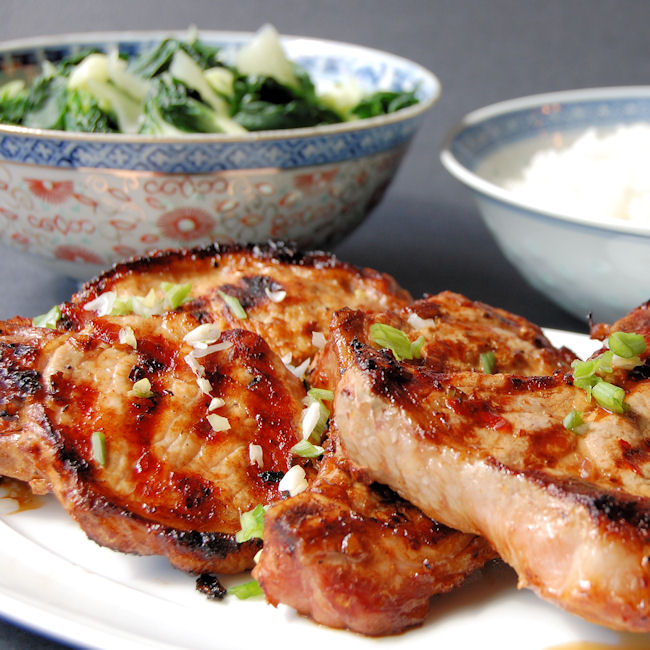
Haha... Vietnamese Pork Chop.
see the Japanese ones.
TONKATSU (JAPANESE DEEP-FRIED PORK CUTLETS)
source -
Pork Chop... me go for the Vietnamese ones.
 Vietnamese grilled pork chops, Suong Nuong (source)
 -
Matsuzaka Beef

Many Japanese consider Matsuzaka beef to be the best in Japan. (source) -

�2個��料無料】近江牛を買��ら������商��
 ã€�全国é€�料無料】先様ã�«é�¸ã‚“ã�§ã�„ã�Ÿã� ã�‘る便利ã�ªã‚®ãƒ•ãƒˆåˆ¸


����入��便利�オトク�セット商���。 


-
Wagyu
Wagyu is the name of Japanese beef cattle - wa means Japan and gyumeans cow. While Kobe beef is the most well-known type of wagyu outside of Japan, there are actually many different kinds of Japanese beef and some of them are giving Kobe a run for its money.
Why is Japanese beef so good?

Marbled fat content determines grade.The most important characteristic of Japanese beef is the white parts of fat in the meat, known as sashi in Japanese. The sashi is interspersed between layers of red meat and gives the beef a marbled pattern. This marbling is the most prized aspect of Japanese beef and cattle farmers go to great lengths to create intense patterns that make the meat literally melt in your mouth. In fact, the beef grading systems in most countries are directly related to how much marbled fat is present.
In the US, prime beef must have 6-8% of marbled fat to qualify for the highest USDA grade. In order to achieve the highest quality grade for wagyu (A5), on the other hand, meat must be at least 25% marbled fat. While it may make the meat more tender and flavorful, high fat content is bad for you, right? Wrong.
Fat in Japanese beef is primarily monounsaturated, which is known to lower 'bad' cholesterol! Monounsaturated fats also have a very low melting point, making the beef literally melt in your mouth. A steak of top quality A5 grade wagyu can cost $500 or more in Tokyo's fine dining scene.
Great care is taken to produce marbling, and apart from the being killed and eaten thing, cows in Japan are said to live a king's (or emperor's) life. They are fed high quality grains, and each farmer has their own blends and secret ingredients, such as soybeans and okara (a byproduct of making tofu). Water is also an important part in the cattle diet, and local mineral water is often used to ensure the best quality product.
To keep their appetite going during the hot summer months, cows are sometimes fed beer or sake to give them, well, the munchies, which kind of makes you wonder how good the beef would taste if they started mixing pot leaves in the feed. The cows are raised in stalls to help create fatty marbling, so they are taken outside for leisurely walks in the afternoon to get some sun and fresh air.
Some farmers will also spit sake on their cows and rub it in with a straw hand brush, which they say helps balance the distribution of marble content, in addition to keeping the lice and ticks away. In order to ensure their cows stay as relaxed as possible, some breeders are rumored to even play soothing music for them. Beer, massages, afternoon strolls, mineral water, classical music...what a life!
Matsuzaka Beef
Many Japanese consider Matsuzaka beef to be the best in Japan.Matsuzaka beef has some of the most expensive cuts, and is considered by many enthusiasts to be the best kind of beef in Japan. Female cows raised in the quiet and serene area around Matsuzaka in Mie Prefecture are slaughtered before being bred, and this virgin meat is said to be the tenderest in the world. Known for its high fat content and characteristic marbling patterns that border on fine art, Matsuzaka beef has a rich, meaty flavor and begins to melt as soon as it enters your mouth.
This beef can be hard to find outside of big cities as only a limited number of the cows are slaughtered every year. Check for it in department stores and expect to pay around $50 for 100 grams ($225 per pound) for cuts of sirloin. If you live in Japan and want to order some Matsuzaka beef, this Japanese website sells various grades for up to 10,000 yen for 150 grams of A5.
That's a lot of money for a little bit of beef. How much does the whole cow cost? A standard Matsuzaka will go for around $10,000 while the most expensive one was sold for $392,000 in 1989...holy cow!
Kobe Beef

Kobe beef is known for its intense marbling and rich flavor.Kobe beef is what put wagyu on the map, and for many people around the world, is synonymous with Japanese beef. Kobe beef comes from cows raised, fed, and slaughtered in Hyogo Prefecture, where Kobe City is located. These cows require a marbling ratio of at least level 6, a Meat Quality Score of A or B, and a weight of under 470 kilograms. In order to be called Kobe beef, the meat must also come from Bullock or Virgin cows, ostensibly to keep the beef pure.
If you live in Japan and want to get your hands on some Kobe beef, Mitsukoshi department store sells 870 grams for 31,500 yen ($170 a pound). Or, you can order top quality A5 Kobe beef from this website (Japanese only).
Kobe Style Beef
When demand for Kobe beef shot through the roof, American ranchers began using the term 'Kobe-style' beef to refer to wagyu cattle raised in the US. While, at $20 per pound for the cheapest Kobe-style beef, it may be much more affordable than their Japanese brethren and of higher quality than American Angus beef, it just doesn't compare with the real thing.
In general, the cattle feed in the US is of lower quality than what is used in Japan, and the individual care for cows is in the two countries varies significantly. Some cattle farmers in Japan are known to treat their cows as members of the family and lavish them with amenities they might not have themselves - some farmers don't even know how good their beef is because the thought of eating one of their pets makes them sick to the stomach.
Fukutsuru 068
Fukutsuru, a wagyu bull sent the American from Japan in the early 90's, deserves a special word of mention. Known for his genetic tendency to produce high levels of marble content in offspring, Fukutsuru is in many ways the father of Kobe-style beef. He was bred countless times and his genes were considered so magical that, prior to his death in 2005, over 100,000 sperm units were collected and put on ice for future generations.
Mishima Beef
Mishima beef is a rare type of beef that comes from the small island of Mishima Island of the tip of southern Honshu. Unlike Kobe beef, which came from crossing Japanese cows with European breeds, Mishima cattle are pure-bred from the original strain introduced to Japan via Korea over 2,000 years ago. One reason local farmers have been able to prevent interbreeding is because of the isolated location of the island.
"Belly blocks" of Mishima beef go for a relatively reasonable 13,600 yen per kilo ($73 per pound), while 450 grams of sirloin steak will cost you 15,000 yen.
Omi Beef

According to local legend, the Shogun was given Omi beef for medicinal purposes.Omi beef is a less well-known, but equally scrumptious type of wagyu that comes from Shiga Prefecture. Despite beef consumption being forbidden in Japan up until 140 years ago, rumor has it that the Shogun and some feudal lords (daimyo) would eat Omi beef, ostensibly because of its "medicinal purposes". The fact that it tastes great surely had nothing to do with it.
Expect to pay about 8,500 yen ($90) for 180 grams of Omi beef sirloin ($250 per pound) - if you can even find it in the store, that is. Alternately, you can order it online from this Japanese website
Ishigaki Beef
 A relative new-comer to the stage of high quality Japanese beef, Ishigaki beef comes from the southern island of Ishigaki in Okinawa Prefecture.
Ishigaki beef is sold all over Ishigaki Island and throughout Okinawa Prefecture. People in the mainland can order it online for about 15,000 yen per kilo here.
What's your favorite kind of Japanese beef?
-
See more on video.
click as you like.
http://www.rakuten.ne.jp/gold/omi-gyu/movie_report/movie_report.html
-
Originally posted by komade:
Joo chiat got 1 eatery called "Long Phung" which is gd. which 1 did u go to?? knn dun tempt me with food liao n dun call me go JC..... wait go there within 5-10min get call frm motherland liao...... :PO, you alway patronise here...http://alfredeats.com/long-phung-cheap-authentic-vietnamese-food-at-joo-chiat/
went once there. ok the place and ambience. price resonable food, good.
but my is another shop run by a family ... coffee shop type like in Vietnam.. not so good renovation as like the above.
will let you know the shop name and the address, forgotten to take note, cause happen the lady boss took my taxi from Old Kallang airport road, with two big plastic loaded with french loafs, easily thirty to fifty one day. Ha... you bakery shop, no this for my restaurant at Joo Chiat, this french loaf baked by me at home..O.
than she invited me to her shop to taste their beef noodle, good as like in Vietnam.
after that i went a few times.
-
See what kind of scale, if you are talking of doing it.
over here plenty of sunrays, all year round.
just talks, just hear and talks and now, going with that scale. only.
how to follow Japan.
-
Sakura.
-
Sakura Tea Soup ( Kao Tum Sakura )

 In this recipe the unopened sakura flowers are pushed into the rice, and hot tea is poured onto the soup at the serving table. The flowers open when the hot water hits them. This is show food more than anything, the sakura flowers add a subtle floral flavour if you eat them, but they are mainly for display.
For this recipe you will need sakura (Japanese Cherry Blossom). It's coming near the end of Cherry Blossom season, but there's always next year. Take some of the unopened flowers with a little of the stalk attached to each.

Here you can see the soup before the tea is poured over it. Each of the unopened flowers has a little bit of the stalk still attached, and the stalk is pushed into the rice to hold the flower in place while the tea is poured. If you don't do this, the flower will float and not open.

Ingredients

5-10 Sakura Flowers
50 gms Carrots
20 gms Pickled Radish
50 gms Spinache
20 gms Cooked Beans (Haricot or Similar)
100 gms Cooked Fragrant Rice
2 Tablespoons Light Soy Sauce
2 Tablespoons Oyster Sauce
1-2 Garlic Cloves Chopped
1 Teaspoon Sugar
1 Tablespoon Oil
500 ml Hot Green TeaPreparation
1. Cooking the rice with the beans together.
2. Slice the carrots and pickled radish finely.
3. Fry the garlic in a little oil to release the flavour, then add the shredded carrot and pickled radish with the light soy sauce, oyster sauce, and sugar, for 2 minutes.
4. Slice the spinach leaves finely.
5. Boil water and tea for 1 minute, blanch the spinach in this tea to soften it.
6. Now to serve. Fill a bowl with rice and beans. Spoon some of the spinach and carrot onto the side of the bowl.
7. Press some of the sakura flowers in the rice.
8. When serving pour some of the boiling tea over the rice (be careful not to pour it directly over the flowers). The sakura will open slowly. -
Never say you never know.
Sakura.
Wagashi: Sakura Mochi
Sakura Mochi 桜餅

Late March and early April is sakura time in Kyoto. For about a month, it’s sakura this and sakurathat, — even sakura mochi! Sweet, chewy, salty and above all fragrant and perfumy. This wagashiconfection is mochi wrapped in a salted sakura leaf, sometimes a salted sakura blossom garnishes the top.What is Sakura Mochi?
Sakura mochi is a spring wagashi confection popular throughout Japan. There are various renditions and generally there is a mochi or mochi rice ball filled with anko that is wrapped in a salted sakura cherry leaf. Sakura mochi is said to be invented in 1717 in Edo (present day Tokyo) by a guard named Yamamoto Shinroku at Chomei-ji Temple utilizing sakura leaves from trees planted by Shogun Tokugawa Yoshimune along the nearby scenic Sumida River. The enterprising temple gaurd then began to sell his tasty invention.In Kanto (Tokyo) sakura mochi is usually made with a pink ‘crepe’ filled with anko and wrapped with a sakura leaf. In Kansai (Osaka, Kyoto, Kobe) usually steamed mochi rice is shaped into a ball filled with anko and wrapped with a leaf.
While I purchased this sakura mochi at a fine wagashi store here in Kyoto, it is definitely of the Kanto ‘crepe’ variety.
Kyoto Sakura Blossoms

Sakura Mochi Package

Sakura Mochi

Sakura Mochi

Sakura Mochi

How did it taste?
Before it gets to your mouth, sakura mochi is experienced by the nose. The fragrance of sakura is very intense. It is pervading and perfumy to the extent that you might think that it is artificial and fake, but it is natural.If you have had stuffed grape leaves, sinking your teeth into sakura mochi will immediately remind you of that wonderful dish.
The mochi is soft and inside is anko (fine ground azuki bean paste). The sweetness pleasantly contrasts with the saltiness of the preserved leaf.
As you chew, there is a wonderful and intermittent squeakiness on your teeth from the leaf.
Sakura Mochi – Cross Section

-
Hanamizake: Sake and Sakura Blossoms
Hanami Sake: Sake and Sakura Blossoms (花見酒)

Sake flavored with cherry blossoms is a wonderful spring treat in Japan. The sakura bloom only last a few days, so this fleeting pleasure of life must be sought out and enjoyed!
Many of the trees in Kyoto look like they have been covered in a thick, fluffy pink snow. These are of course, the Japanese sakura cherry trees covered in delicate blossoms.
Hanami (花見) means ‘flower viewing’. This is a favorite custom with the Japanese. Many people gather along riversides, in parks and on the grounds of temples and shrines to picnic, barbecue, drink and be merry under the sakura blossoms.
About the Sake:
Peko has a new best friend; Furosen Kidarujikomi Muroka Namagenshu Yamahai Jyunmai Daiginjo (ä¸�è€�泉木樽仕込無濾é�Žç”ŸåŽŸé…’山廃純米大å�Ÿé†¸), a very long name for a very tasty and rare breed of sake. Very, very good stuff! One of the best sakes I have ever had. This sake is produced in Shiga Prefecture, just over the mountain from Kyoto by Uehara Shuzo (ä¸ŠåŽŸé…’é€ ).Sakura and Sake

Sakura and Sake
Sakura and Sake
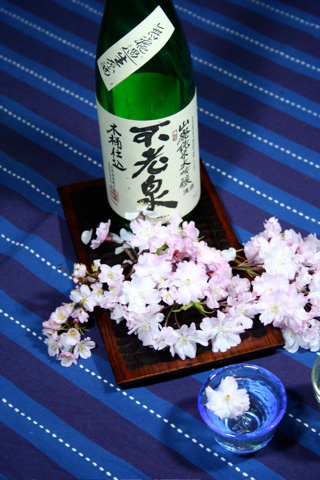
Sakura and Sake

-
Sakura.
-
Kyoto Ice Cream: Sakura Mochi Ice Cream
Chibeta: Sakura Mochi Ice Cream 桜餅アイスクリーãƒ

Kyoto Handmade Ice Cream Shop Chibeta: While Japanese love ice cream and Häagen-Dazs is big here, handmade ice cream shops, the likes or which there are several in my hometown, are a rarity. Chibeta, located in Nishijin, the old weaving district of Kyoto, makes great ice cream in very novel flavors. Inspiration for flavors are either traditional Japanese foods or ingredients or seasonal fruit. When I first walked into Chibeta several years ago, it was spring and I was astonished to see sakura mochi ice cream in the ice cream case. It was quite an amalgam of flavors!While there is no mochi in this ice cream it is flavored with the salted sakura blossoms (shiozakura) and leaves that flavors sakura mochi. It has the pronounced perfumy fragrance identical to sakura mochi that is provided by the blossom and leaf. The taste of the ice cream is very rich and creamy (low fat diary products are not common, I drink 4.4% milk here) and it is salty. Quite unexpected!
Sakura Mochi Ice Cream

‘Sweet’ plus ‘salty’ is a delicious combination. In the US we have salt water taffy (but the taste is not particularly salty, as I recall from my childhood). Sweet and salty are not uncommon in traditional Japanese sweets. I am unaware of it in ice cream though.
I thought that the combination of creamy, sweet (not too sweet), sakura and salt was well worth writing home about. Salted sakura blossom and leaf ought to be easily obtained abroad, so this ice cream ought to be available throughout the world in the near future, I am hoping! (Aspiring sakura mochi ice cream makers abroad can click the ‘Source Delish!’ link above for help sourcingshiozakura.)
If you are in Kyoto and planning on visiting Chibeta, please keep in mind that sakura mochi ice cream is only available in the spring. There are plenty of other wonderful flavors to try though!
More about Sakura Mochi on KyotoFoodie
Sakura Mochi (History and Kanto-style)
Sakura Mochi (Kansai-style)Sakura Mochi Ice Cream
Sakura Mochi Ice Cream – detail

Notice the pink fleck on the left center and the bits of leaf on the right.Sakura Mochi
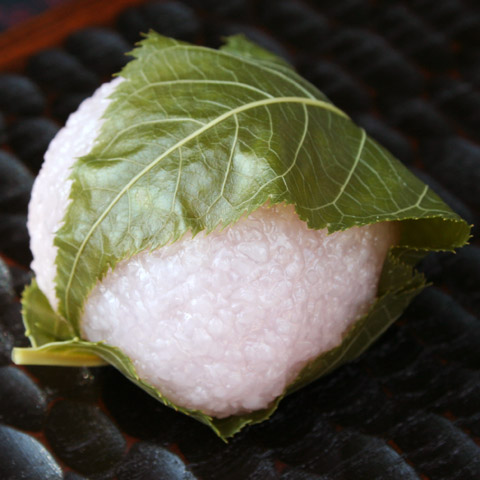
Again, sakura mochi looks like this.Chibeta Sakura Mochi Ice Cream Package

Kyoto Handmade Ice Cream Shop Chibeta
Chibeta is located on in the Nishijin district of Kyoto on Senbon-dori, just south of Imadegawa-dori. From the intersection of Senbon and Imadegawa Streets, you just go three (short) blocks to the south and Chibeta is located on the east corner of Senbon and Sasayacho Streets intersection.Chibeta Storefront
-
Sakura Hiyashi Udon Tsukemen
Sakura Hiyashi Udon Tsukemen (��ら冷や���ん���ん)

The sakura zensen, or ‘Cherry Blossom Front’ is moving up Japan from south to north and is now passing through the center of the country where Kyoto is located. The delicate sakura blossoms don’t last long though, just a few days. It has already begun ‘raining’ cherry petals here and tomorrow ought to be a downpour.
The sakura is an important symbol for the samurai, and why so is a deep subject. Amid contemplating the sakura blooming, fading and disappearing on a momentary gust of wind, a foodie may ask, “ah, but what to eat?”
Sakura!
Sakura Noodles
Paku came home with sakura udon and sakura soba last night and we made the udon, which was fresh and delicate.While it is still rather chilly in Kyoto, especially at dinner time we had hiyashi (冷や�), chilled udon. The sakura flavor of the noodles is very subtle and delicate so a light and simple tsuyu (dashi-shoyu based dipping sauce) is all that is needed.
We enjoyed this as ‘tsukemen‘, literally ‘dip’ ‘noodle’. A bit of grated ginger is added to the tsuyuand the noodles are dipped in it and slurped up. Very simple and delicious.
Fresh Sakura Udon and Sakura Soba

Paku got these at Meiji-ya on Sanjo Street. It will only be on the shelves for a very short time.Fresh Sakura Udon

Fresh Sakura Udon — detail

Sakura Udon — Boiling

Notice the dark bits in the noodle. That is the sakura leaf. The leaf probably has more ‘sakura‘ flavor than the flower.Sakura Hiyashi Udon (Tsukemen) Simply Served

Take a bit of grated ginger (left) and place it in the tsuyu (right), then dip the noodles and slurp!Tsuke = dip and men = noodles. -
Take a break. we go over here.
-
Back to Japan again.
-
-
-
Nagoya, here we come.
-
More on Nagoya.
-
Nagoya rock. all here.
-
No.... ERP at all in Nagoya city traffic.
http://youtu.be/VtS122CLsm4javascript:mctmp(0);