Home > Taxi Drivers

Kinwashi Tour Japan Thread

Obon is one of the most important Japanese traditions. People believe that their ancestors' spirits come back to their homes to be reunited with their family during Obon and pray for the spirits. For the reason, Obon is an important family gathering time, and many people return to their hometowns.

Obon was originally celebrated around the 15th day of the seventh month in the lunar calendar. Obon periods are nowadays different in various regions of Japan. In most regions, Obon is celebrated around August 15, and it typically begins 13th and ends 16th of August. In some areas in Tokyo, Obon is celebrated around July 15, and it is still celebrated on the 15th day of the seventh month in the lunar calendar in many areas in Okinawa.

Japanese people clean their houses and place a variety of food offerings such as vegetables and fruits to the spirits of ancestors in front of a butsudan (Buddhist altar). Chochin lanterns and arrangements of flower are usually placed by the butsudan.

On the first day of Obon, chochin lanterns are lit inside houses, and people go to their family's grave to call their ancestors' spirits back home. It's called mukae-bon. In some regions, fires called mukae-bi are lit at the entrances of houses to guide the spirits. On the last day, people bring the ancestor's spirits back to the grave, hanging chochin painted with the family crest to guide the spirits. It's called okuri-bon. In some regions, fires called okuri-bi are lit at entrances of houses to send the ancestors' spirits. During Obon, the smell of senko incense fills Japanese houses and cemeteries.

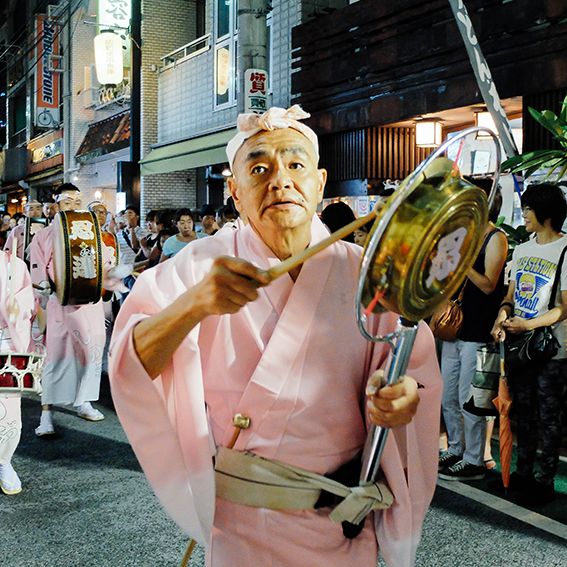
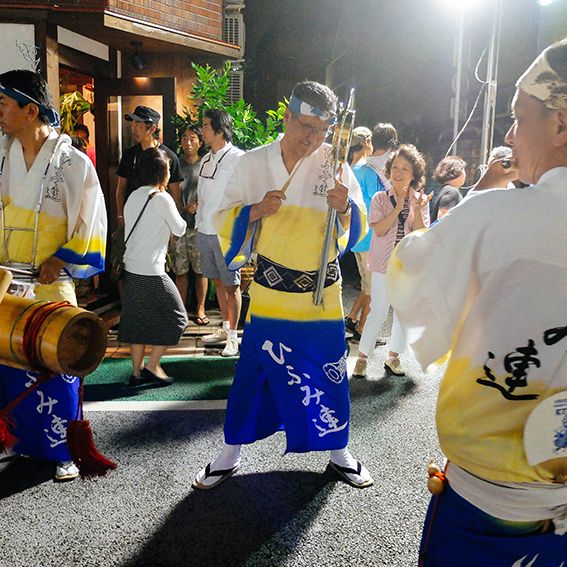
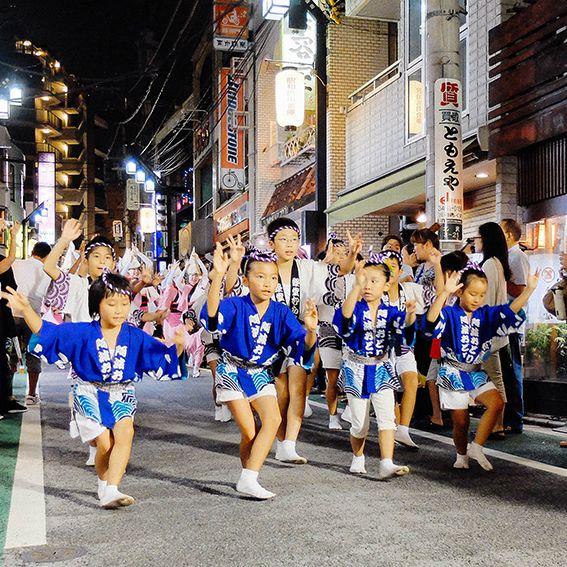
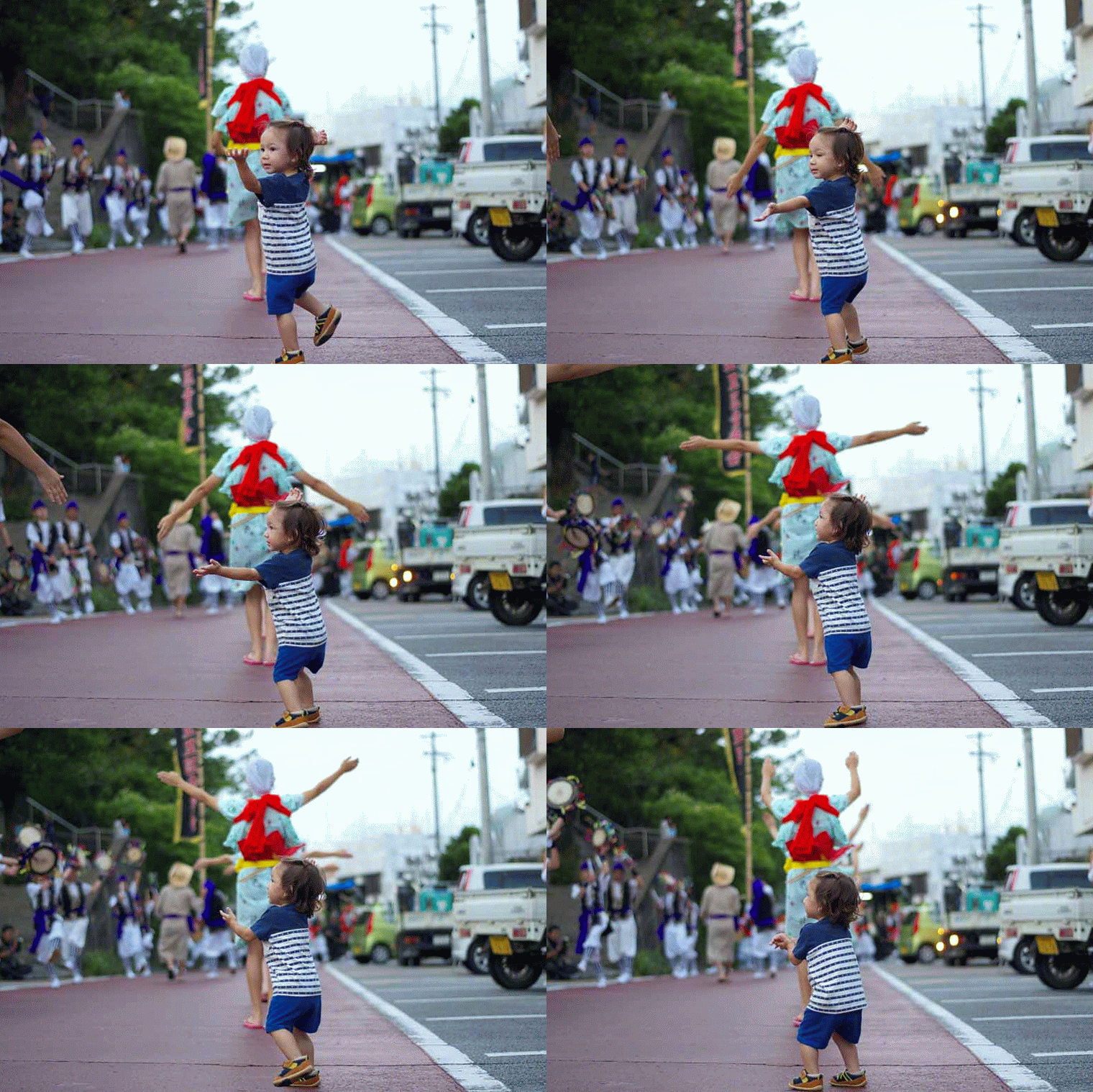
Toro nagashi (floating lanterns) is a tradition often observed during Obon. People send off their ancestors' spirits with the lanterns, lit by a candle inside and floated down a river to the ocean. Also, bon odori (folk dance) is widely practiced on Obon nights. Styles of dance vary from area to area, but usually Japanese taiko drums keep the rhythms. People go to their neighborhood bon odori held at parks, gardens, shrines, or temples, wearing yukata (summer kimono) and dance around a yagura stage. Anyone can participate in bon odori, so join the circle and imitate what others are doing.

Obon is not a Japanese national holiday, but many people take vacations during this time. Mid-August is the peak travel season in summer.

Related Articles
  • kinwashi
    Awa Odori dance festival kicks off
    NHK -- AUG 13
    One of Japan's most popular midsummer dance festivals, the Awa Odori, has kicked off in the western city of Tokushima.


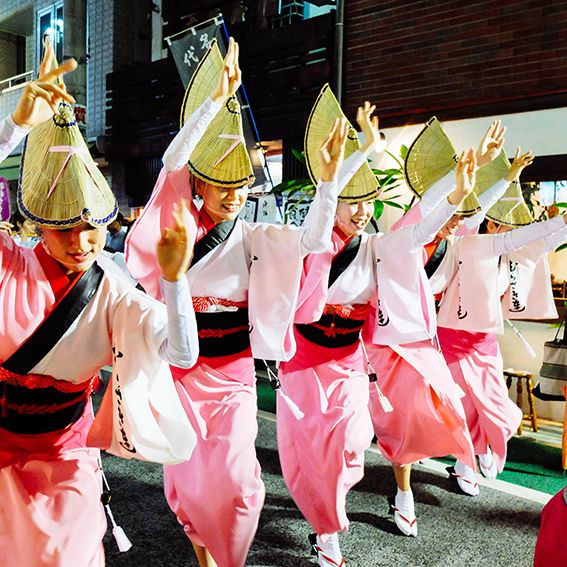
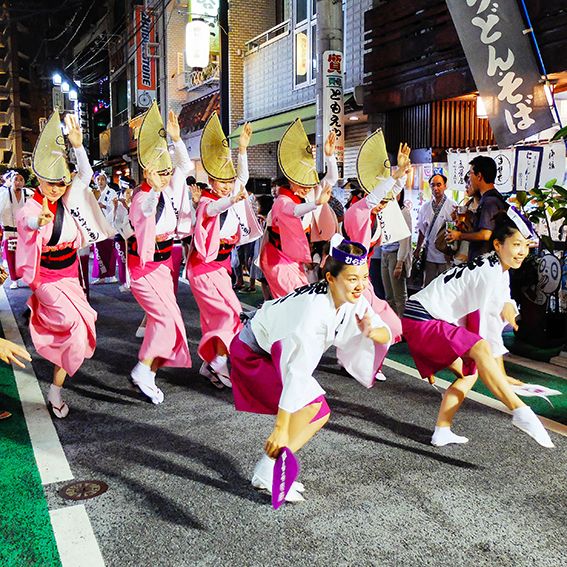
    At the event on Tuesday evening, thousands of people began dancing to energetic rhythms. Groups wearing summer kimonos or Japanese happi coats performed the traditional Awa dance at 6 venues. Males moved wildly and females elegantly, accompanied by drums and shamisen music.

    - See more at: http://newsonjapan.com/html/newsdesk/article/109019.php#sthash.3wuomjd3.dpuf

  • kinwashi

    video.


    徳島市阿波��り2014�日�内町演舞場�踊り

    http://youtu.be/HOKv1Bg-wIQ

  • kinwashi

    Welcome to Tokushima City

    Tokushima City, capital of Tokushima Prefecture, has a population of about 260,000. The city is in northern Tokushima Prefecture where the Yoshino River and its tributaries create a delta. Being the major city in the area, industry, administration, economic activity, cultural and educational facilities have long been centered here and made the city prosperous.

    Tokushima City is blessed with a mild climate and rich agricultural products. The Yoshino River, the largest in Shikoku, and other rivers running across the city and the elegant green of Mt. Bizan provide spiritual comfort for the citizens and relaxation for the visitors. Tokushima's natural features and history created a distinctive culture: Awa Odori dance, puppet theatre (Ningyo Joruri), indigo dyeing (Aizome) / textile manufacturing (shijira-ori), wooden products, Sudachi (citrus fruit) etc.

    The foundation for the present-day urban area was laid in 1587, when Hachisuka Iemasa, a feudal lord, built a castle. Under the rule of the fourteen generations of Hachisuka family, Tokushima prospered as an administrative and economic center. In 1889, municipal administration was established. By the late 1920s neighboring towns and villages were merged into Tokushima City and the administrative area was expanded.

    Recently, even higher expectations have been placed on Tokushima City, due to its location as the intersection of the Kobe-Naruto Route and Shikoku Highway. At present Tokushima City is continuing to develop modern industries and to prepare the urban areas for the information-oriented age.

    from Mt.BIZAN

  • kinwashi

    Awa Odori

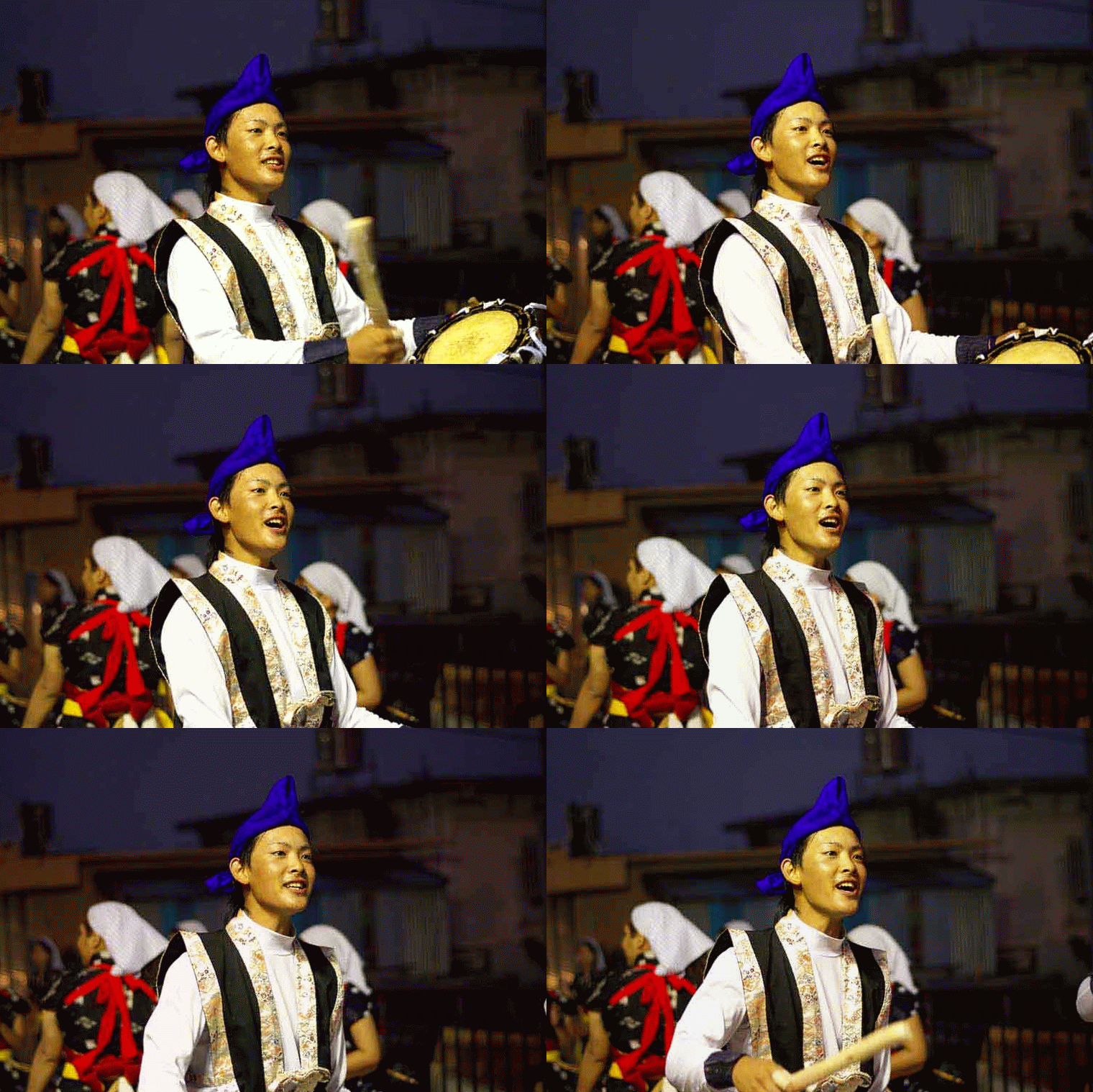
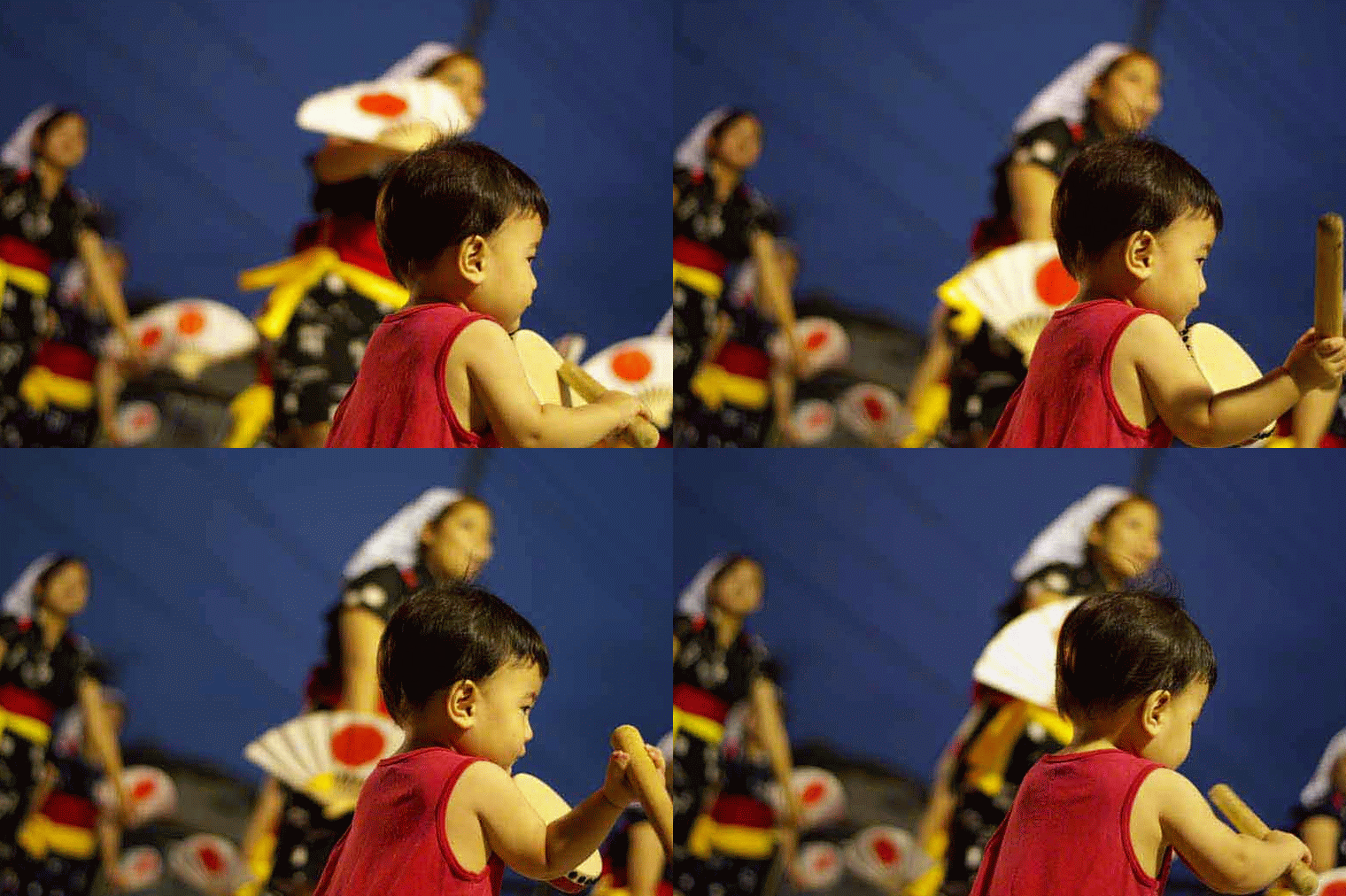
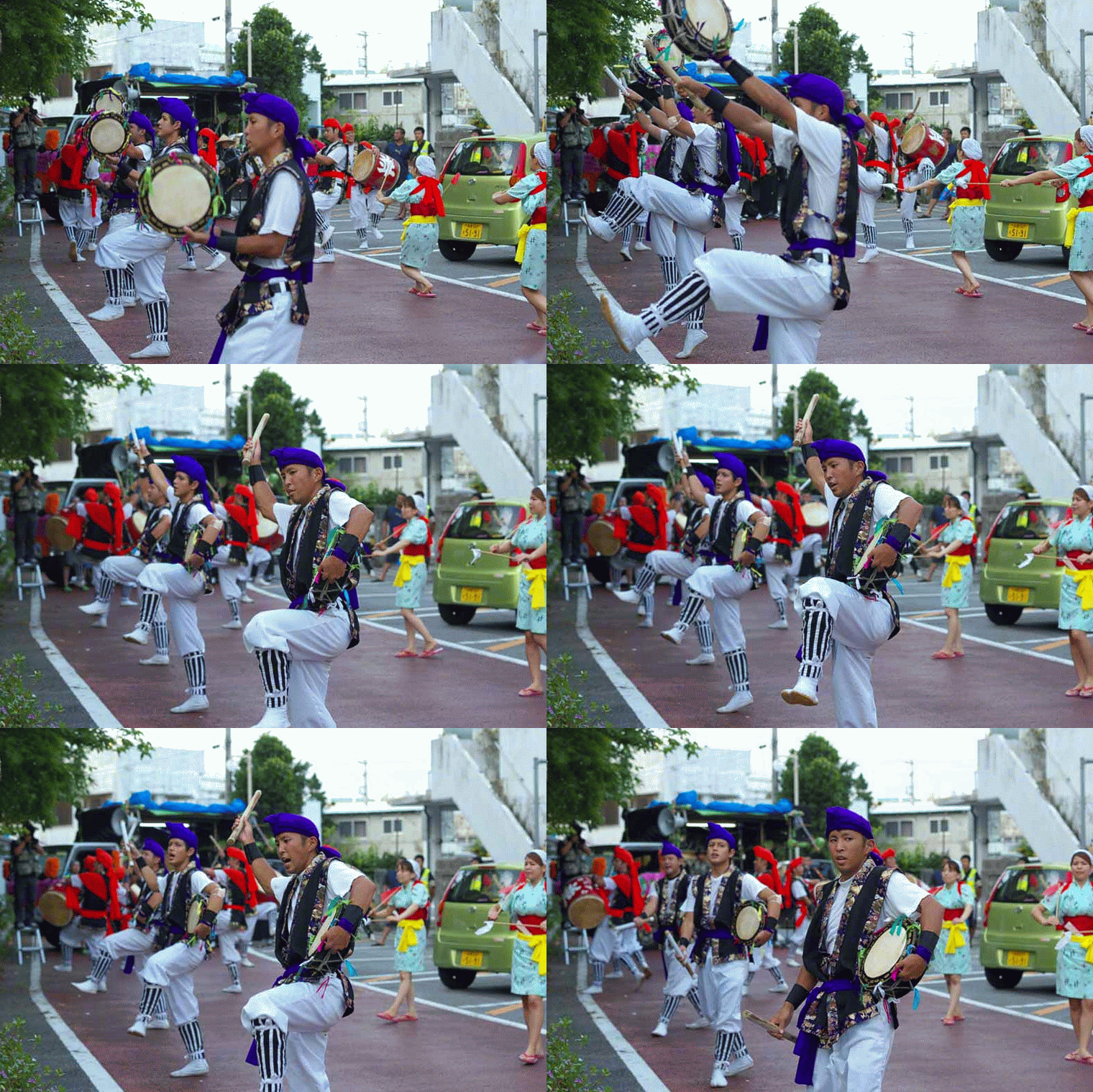
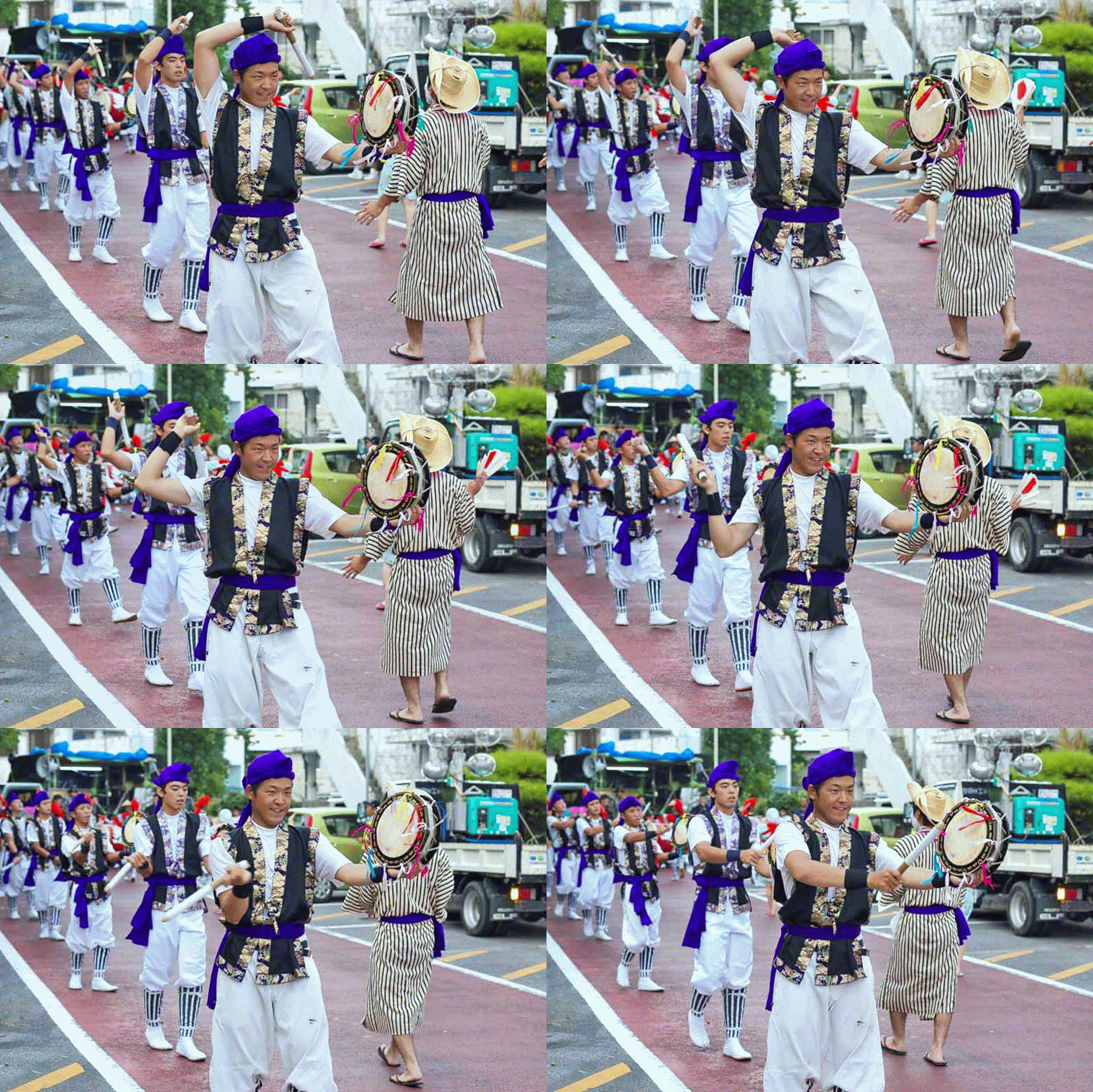
    The mens' dance is dynamic and energetic.

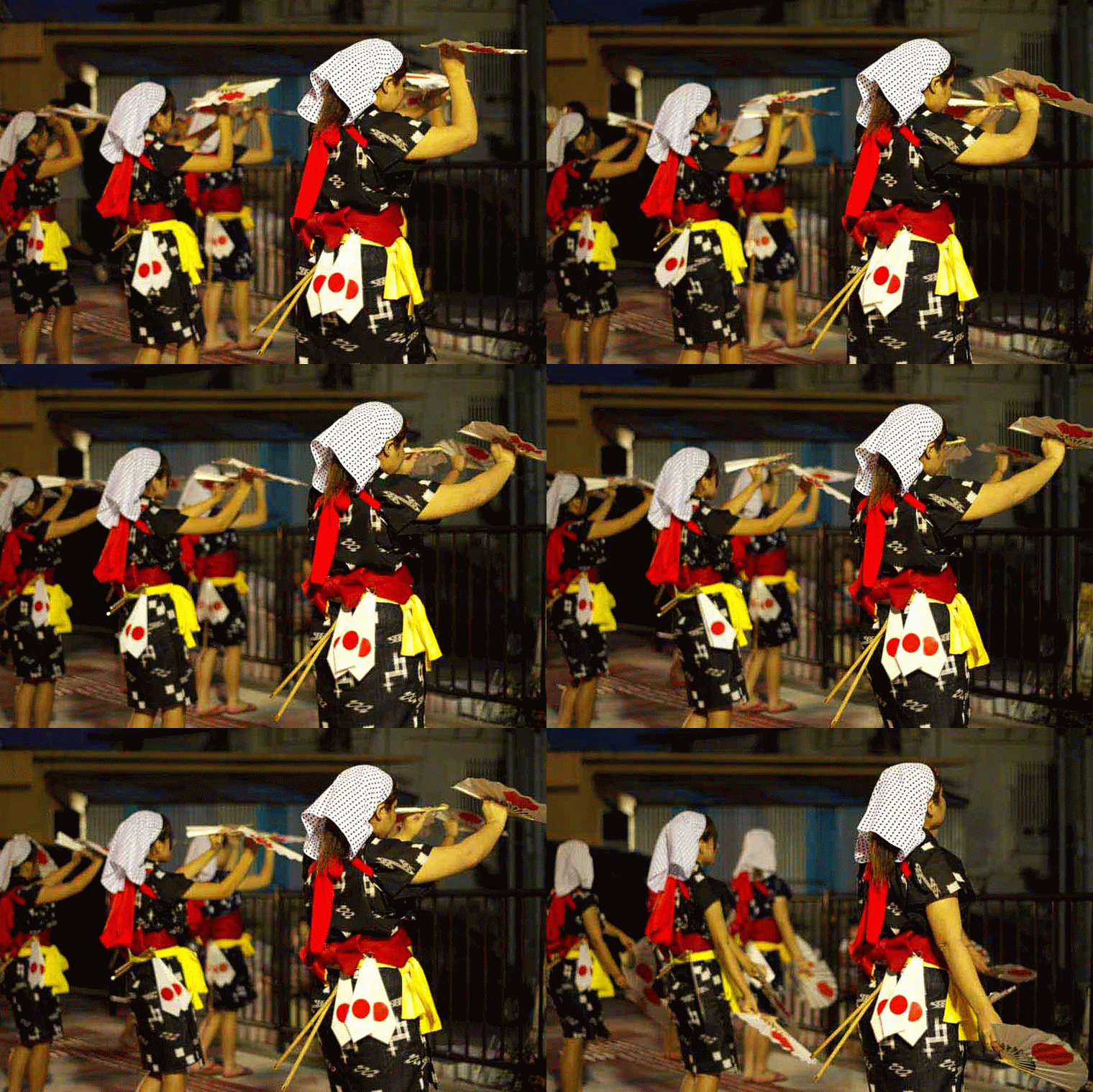
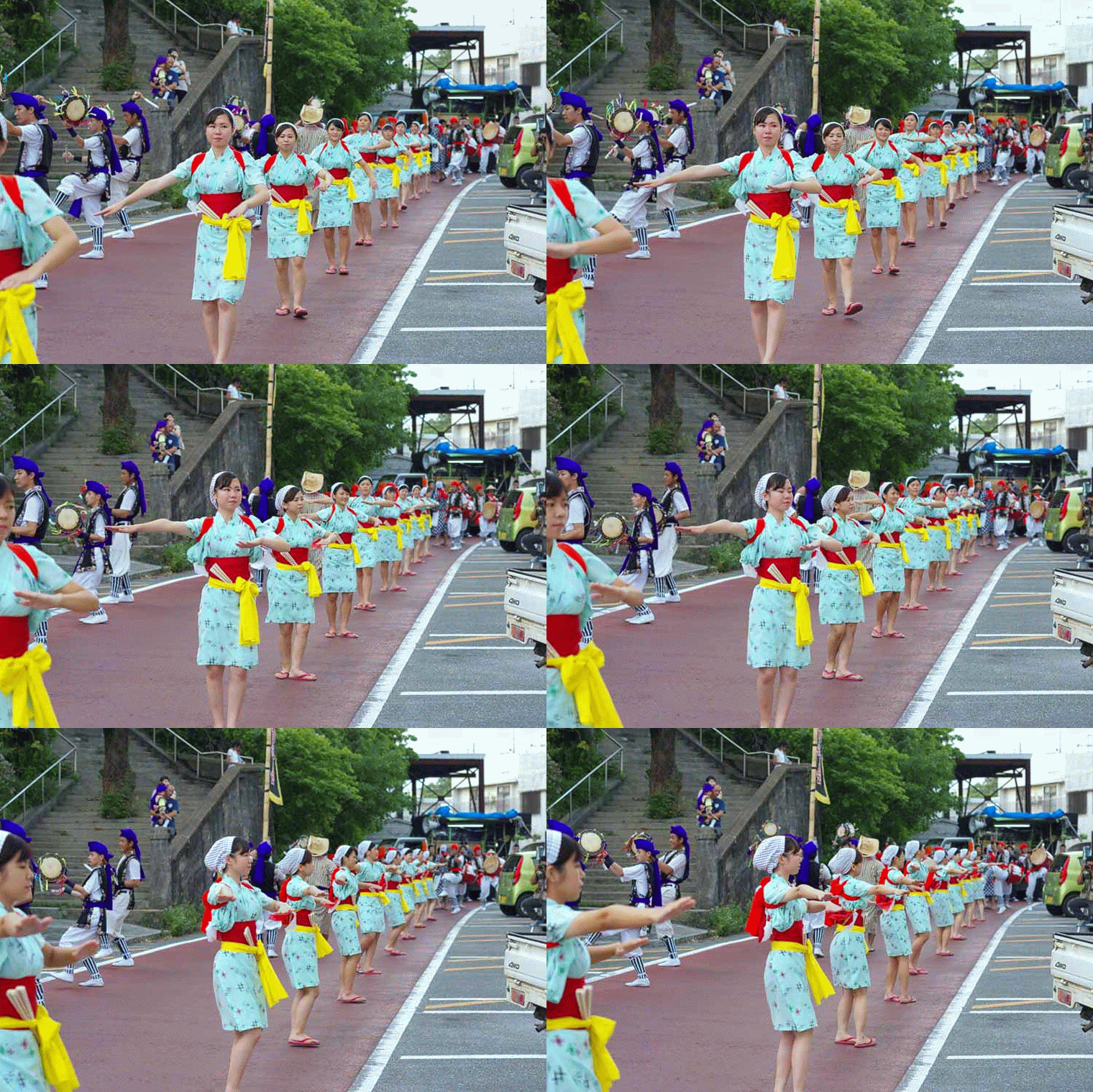
    The womens' dance is fascinating and elegant.

    The rhythm of Yoshikono is created by using shamisens, gongs, taiko drums and flutes. It invites dancers and audiences alike to share the enthusiasm.

    For four days from August 12 to 15, Tokushima City is filled with Awa Dance.

    Awa Odori
    It is overwhelming when the popular dance groups dance together.

    Awa Odori
    The womens' dance is elegant and fluid.

    Awa Odori
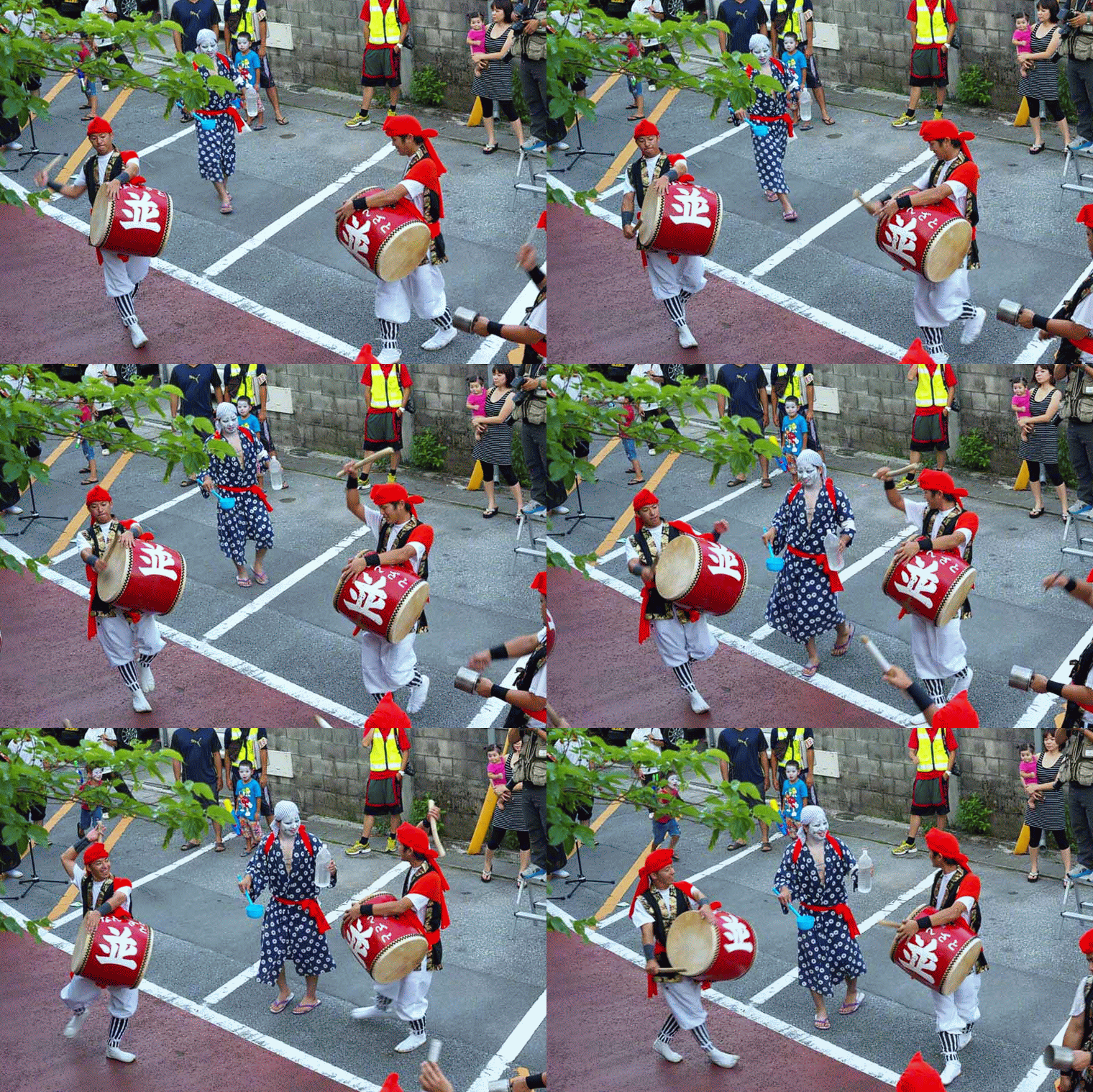
    The free style mens' dance is dynamic and energetic.

    Awa Odori
    It's a beautifully synchronized dance.

    Awa Odori
    Skillfully moving a paper lantern expresses power.

  • kinwashi

    You may wanted to know.

    what AWAODORI.


    Awaodori 阿波尾é¶� chicken 
    free-range jidori fowl
    . . . CLICK here for Photo.

  • kinwashi


    http://www.somewhereintheworldtoday.com/festivals/awa-odori-dance-festival/

    Kawasaki Awa Odori 2010...Awa Odori... by appow, on Flickr

    Dance the Bon Odori, you’re a fool if you do, and a fool if you don’t!

    Is this the largest street party on earth? The huge city-wide dance party, Awa Odori, consists of dance troups and musicians (as many as 12,000) in traditional costume, dancing through the streets of Tokushima, Japan chanting and singing as they go.
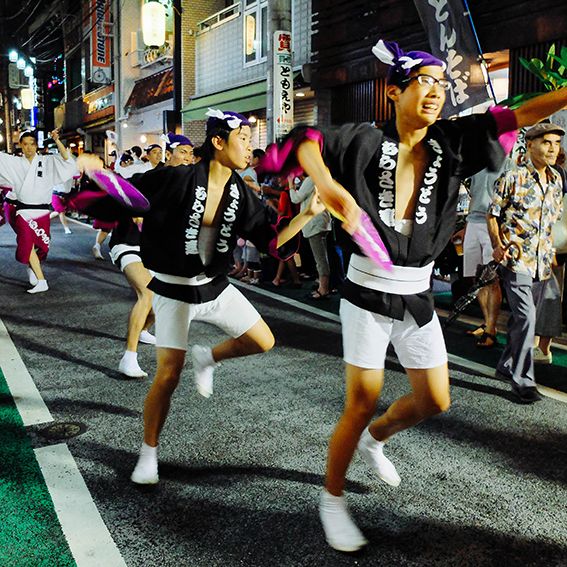
    The song associated with Awa Odori is called Awa Yoshikono and roughly translated goes something like this. “The dancers are fools, the watchers are fools, both are fools alike, so why not dance?”

    Over the years there have been some strict rules involving who dances what and where – for example, Samurais were not allowed to dance in public, only on their own premises and with the gates shut. We’re they so prone to misbehavior or just bad dancers?

    Awa Odori is part of the Obon festival of the dead celebrations held 12th to 15th August every year. Tokyo, also has an Awa Dance Festival which is usually held on the last weekend in August and some other parts of Japan may hold similar events 12th to 15th July.

    - See more at: http://www.somewhereintheworldtoday.com/festivals/awa-odori-dance-festival/#sthash.CulYXaG2.dpuf

  • kinwashi

    Tokushima here i come.

    What to see here?

    Naruto.


    video.

    http://youtu.be/S_0hhec3-qU


  • kinwashi
    • Naruto Whirlpool

      Amazing scenery appears in front of your cruise ship.

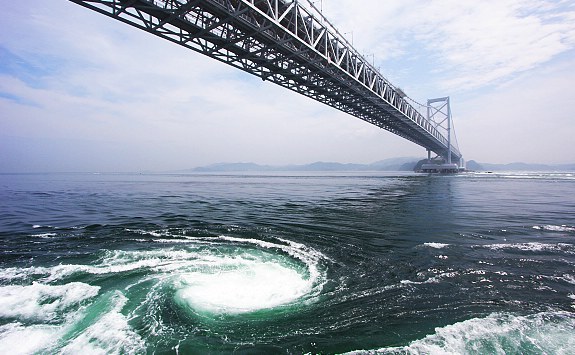
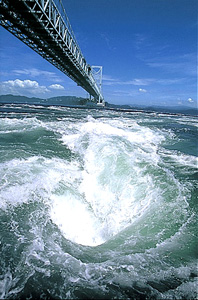
      This cruise will take you to see the amazing natural phenomenon of whirlpools. You will get very close to the powerful whirlpool, but it’s safe enough that you won’t be swallowed up! Current speeds are up to 20km/h, and the whirlpool may reach up to 20m in diameter. The view of the spinning whirlpool roaring and splashing is a thrill.

      These whirlpools are formed by the meeting of the Seto Inland Sea and the Pacific Ocean. That’s why the seafood in Akashi is so tasty, because the water contains more minerals and the hard tide is said to strengthen the fishes’ bodies.

      Reservations are preferred for small groups, and the tour schedule depends on the weather conditions. The best seasons to see the whirlpools at their largest are spring and autumn.

      Hours: 9am – 17pm
      Address: Uzushio Dome, Fukura-ko, Minami Awaji City, Hyogo 656-0501
      Telephone: 0799-52-0054
      Fax: 0799-52-3081
      E-mail: [email protected]
      Website: http://www.uzu-shio.com/ (Japanese)

    •  


      http://www.japan-guide.com/e/e7852.html


      Whirlpools # 1   of 4 most visited
      sights in Naruto
       access  -  admission  -  ratings  -  links 

      The Naruto whirlpools occur along the Shikoku coast of the Naruto Straight, and are created by the large volumes of water moving between the Seto Inland Sea and the Pacific Ocean between high and low tide, combined with the unique underwater geography of the narrow straight.

      According to the change of tides, the whirlpools occur roughly every six hours and can typically be seen once in the morning and once in the afternoon for an hour or two. The whirlpools vary in size, depending on the intensity of the tides. They tend to be larger in summer than in winter, and are largest during spring tides, which occur every two weeks.

      Under ideal conditions, whirlpools of up to 20 meters in diameters can be observed. On the other hand, there is not much to see on calm days or outside of the peak times. Therefore, it is of great importance to check the whirlpool schedules (see links below) before making a visit to Naruto.


      The Wonder Naruto tour boat Onaruto Bridge

      The whirlpools are not dangerous to boats and are best viewed from sightseeing cruises which get right up next to and among the whirlpools. There are two companies that run tours from nearby piers onShikoku and one that operates from Awaji Island on the opposite side of the straight.

      On the Shikoku side, Uzushio Kisen operates small boats with water level decks from a pier just outside Naruto Park. A little bit further away lies the pier of Uzushio Kankosen, which operates the "Aqua Eddy" (medium sized boats with two decks and underwater windows) and "Wonder Naruto" (large sized boats with two decks) to the whirlpools.

      As the whirlpools are best viewed from a higher vantage point, it is recommended to take a "Wonder Naruto" boat tour which offers the best views from its upper first-class deck at an additional charge. Boat tours by both companies last 20 to 30 minutes with two departures per hour.


        Uzu no Michi

      The next best views are from Uzu no Michi, an enclosed walkway that extends under the Onaruto Bridge and overlooks the whirlpools. The walkway's observation room sits 45 meters above the whirlpools below which can be seen through glass windows set in the floor.

      Naruto Park (Naruto Koen), the park encompassing the attractions around the whirlpools, also has a number of walking trails and viewpoints found around it with views of the whirlpools and Onaruto Bridge. The best views of the swirling water are from the Senjojiki Observatory. Another viewpoint, Eska Hill, is accessible via a 68 meter long, paid escalator, but its restaurants and shops appear rather run down.

      Also found in the park is the Onaruto Bridge Museum Eddy, which is devoted to the construction of the Onaruto Bridge, the straight and its whirlpools. And last but not least, the Otsuka Museum of Art, Japan's largest museum, stands out toward the southern edge of the park and displays nothing but reproductions of Western Art.

  • kinwashi